15-Year-Old Pranav Dhanawade’s 1,009* — The Day Cricket’s Record Book Got Absolutely Blown Up!
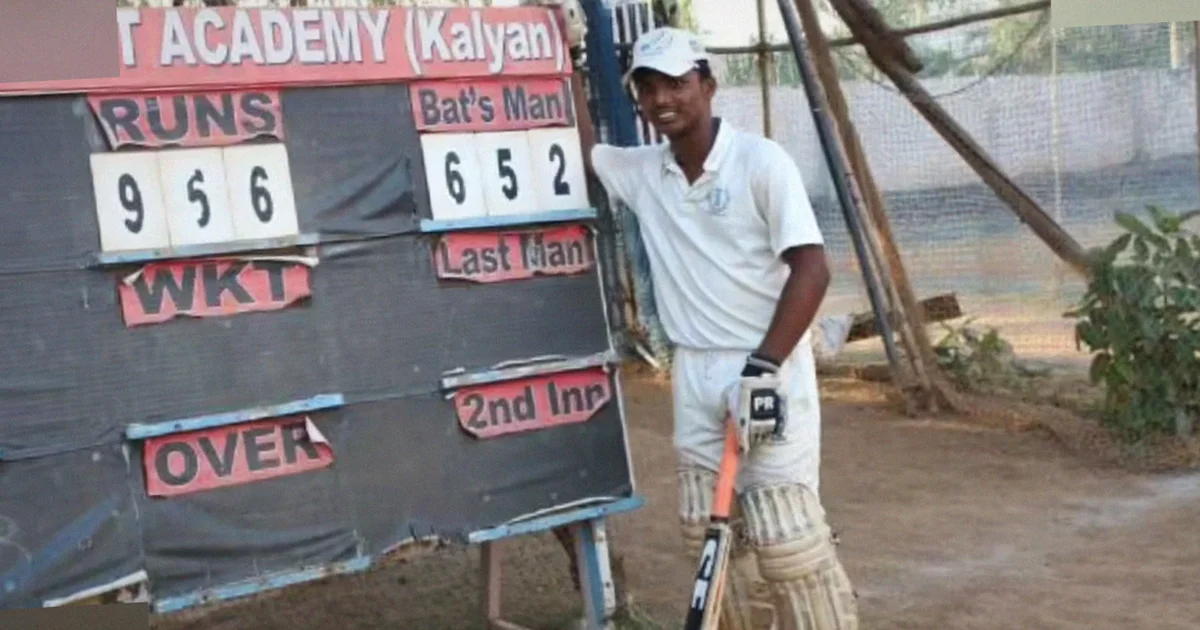
The scoreboard looked broken.
And yet it was real.
Ten years ago, a Mumbai school match produced the kind of cricket story that sounds like playground myth… until you see the number staring back at you: Pranav Dhanawade, unbeaten on 1,009. At 15 years old. In a single innings. A 117-year-old record didn’t just fall — it got launched, sending it into orbit.
But here’s the thing: Dhanawade’s epic isn’t just a “remember-that-time” highlight for Indian school cricket. It’s a loud, global reminder of what happens when a batter gets in the zone and the sport’s rhythm turns into a runaway train. And if you’ve been watching modern Test and T20 cricket lately — where captains want to keep the game moving forward, where a session can flip on one blitz, where personal duels decide entire series — you know the vibe: cricket is always one insane passage of play away from chaos. Beautiful chaos.
So let’s go deep. The day of 1,009, the mindset that fuels marathon scoring, and why the drama of today’s big series battles still runs on the same adrenaline.
Section 1: Background/Context
School cricket has always been cricket’s wild west.
No safety rails. No mercy. Sometimes no end.
In Mumbai — a city that breathes batting — Dhanawade stepped into a school match and did something so outrageous it instantly became global cricket folklore: 1,009 not out. That’s not a typo. That’s a four-figure innings that shattered a 117-year-old record and stamped his name into history before he could even legally drive.
And it matters that he was 15. At that age, most players are still learning which risks are smart and which are just vibes. But this was an innings built on staying power, hunger, and the kind of focus that doesn’t blink.
Now zoom out to the wider cricket world. While Dhanawade’s innings is a once-in-a-generation school match explosion, the modern game at the top level has been leaning into the same emotional engine: pressure duels, momentum surges, and captains demanding constant forward motion.
You see it in the Ashes cauldron. You see it in those series-defining match-ups where one spearhead keeps “owning” a visiting captain, turning that personal battle into the spine of the contest. You see it when a batter like Joe Root hits a second century in a series — steady, icy, clinical — and then suddenly someone like Travis Head arrives and goes over the top, detonating the tempo in minutes. And you definitely see it when a “brainless” dismissal gets defended as part of a plan — because the plan is to attack, to press, to keep the game alive.
Different formats. Different stages. Same cricket heartbeat.
Section 2: Main Analysis (the thrill, the madness, the why)
A thousand runs in an innings isn’t just talent.
It’s stamina, concentration, and a ruthless refusal to stop.
Think about what has to happen for 1,009 to exist:
- The batter must keep finding gaps and boundaries without gifting a chance.
- The body must hold up for hour after hour.
- The mind must stay locked even as the number becomes surreal.
- And the opposition has to be mentally drained into dust.
That last part? Huge. Because once the bowling side starts searching for shortcuts, panic deliveries creep in. Fields get lazy. Lines drift. And suddenly the batter is smashing it to all parts like it’s a video game with the difficulty turned down.
And that’s where Dhanawade’s innings lives: not just in skill, but in relentlessness. The number “1,009” is basically a stress test for every part of cricket — technique, discipline, fielding standards, bowling plans, captaincy courage.
Now stack that against the pressure-cooker moments we see in elite cricket. A spearhead dominating a captain across a series? That’s not an accident. That’s repeated pressure, over spells, over days — the bowler setting traps, the batter feeling the net tighten. One edge. One lapse. And it’s caught behind. Series narrative rewritten.
Or take that Sydney surge energy: Root grinding his way to another hundred — the second of the series — while the game sits there, simmering… then Head flips the switch and the place catches fire. The best part about cricket is that it can be both: the long game and the lightning strike.
Dhanawade’s innings, weirdly, was all of it at once. It was long-form dominance with boundary punch. Not a cameo. Not a quick-fire 60. A full-day (and beyond) takeover.
And here’s a spicy thought: the modern obsession with “moving the game forward” — even when it backfires — shares DNA with a record innings. Because both come from the same place: the belief that you can impose yourself on the match instead of waiting for it to happen to you.
But there’s also the danger zone. Push too hard, and you’ll gift your wicket with a wild shot, then call it “intent.” That’s where cricket draws the line between brave and reckless. Root defending a teammate’s ugly dismissal as part of the plan? That’s a captain’s nightmare and a dressing room’s rallying cry, all rolled into one. Cricket is emotional like that. Always has been.
Section 3: Stats & Data
Let’s put the madness in clean numbers. Because sometimes a table is the only way to make the brain accept what happened.
| Moment / Feat | Number | Why it shook cricket |
|---|---:|---|
| Pranav Dhanawade’s innings | 1,009 | A four-figure score in a single innings — in any form of cricket, that’s outrageous |
| Dhanawade’s age | 15 | A schoolkid producing a once-in-history type performance |
| Record broken | 117 years | The old mark stood for more than a century before getting erased |
| Joe Root in that Ashes series | 2nd century of the series | Reinforces how elite batters can dominate even under relentless heat |
Numbers don’t tell you everything in cricket.
But these ones scream.
Section 4: Expert Opinion / Tactical Breakdown
So how do innings like 1,009 even stay alive? And what does it teach us when we watch today’s biggest series?
1) The “don’t blink” batting template
A monster score is built on boring brilliance: playing late, cashing in on anything loose, and refusing the temptation to throw it away once you’re already in control. That’s the hidden skill. Anyone can hit a few. Not everyone can keep doing it when fatigue hits and the crowd (or teammates) starts buzzing.
2) Bowlers need a plan — then a Plan B — then a Plan C
When a batter is set for centuries on end, the first plan often dies. Captains drift into hope-bowling. That’s when it turns into absolute carnage.
The only way out is discipline:
- Tight lines, no freebies
- Creative fields that actually match the plan
- Rotating bowlers before they mentally collapse
That idea shows up at the top level too. When a spearhead keeps beating a captain across a series, it’s because the plan is repeatable: same channel, same threat, same patience. Pressure doesn’t need variety. It needs precision.
3) Tempo is a weapon — and a trap
Modern cricket loves pace. Everyone wants to “move the game forward.” Sometimes that wins you matches. Sometimes it hands the opposition a gift.
In Sydney, you can feel how a steady hundred and a rapid blitz can coexist in the same story — and each one changes how the other is valued. Root’s control builds the platform; Head’s explosion bends the session out of shape. That’s a tactical combo teams chase everywhere now, from Tests to T20s.
Dhanawade’s innings is the extreme version: constant scoring pressure that never ended. The bowling side couldn’t reset. Couldn’t breathe. That’s how records get broken.
Section 5: What This Means for Cricket
This is bigger than a school match.
Way bigger.
Dhanawade’s 1,009* is a reminder that cricket’s ceiling is basically nonexistent. On any ground, at any level, the sport can produce a day that becomes legend — and it can do it without the glitz of TV deals or packed grandstands.
And it also reframes how we talk about greatness. The global game often measures everything by international trophies and iconic venues, but cricket’s magic is that history can be made in places no one expected. A school game in Mumbai can punch through the noise of the entire sport.
At the same time, the Ashes storyline — series-defining bowler-vs-captain battles, centuries under fire, flashpoints between star players, and the debate over “intent” even after a clumsy dismissal — shows the modern version of that same truth: cricket is a psychological brawl. And one player’s spell, or one player’s innings, can hijack the whole narrative.
So what does it mean?
- For young players: dream absurdly big. Because “impossible” has already been done.
- For coaches: stamina and focus are weapons, not accessories.
- For fans: don’t blink. Cricket always has another twist loaded.
And maybe the best part… we’re still chasing that feeling. Every time someone starts going big, every time a bowler smells a wicket and goes hunting, every time a crowd senses the session tipping — we’re hunting the next “how is this real?” moment.
A thousand runs did that once.
It can do it again. Somewhere. Someday.
Closing thought: Records are meant to be chased, but every now and then cricket drops a day so wild it doesn’t just reset the bar — it changes what we think the bar even is.