Scotland Replace Bangladesh in the T20 World Cup — ICC Showdown, Boardroom Demands, and a Cricket Power Shift
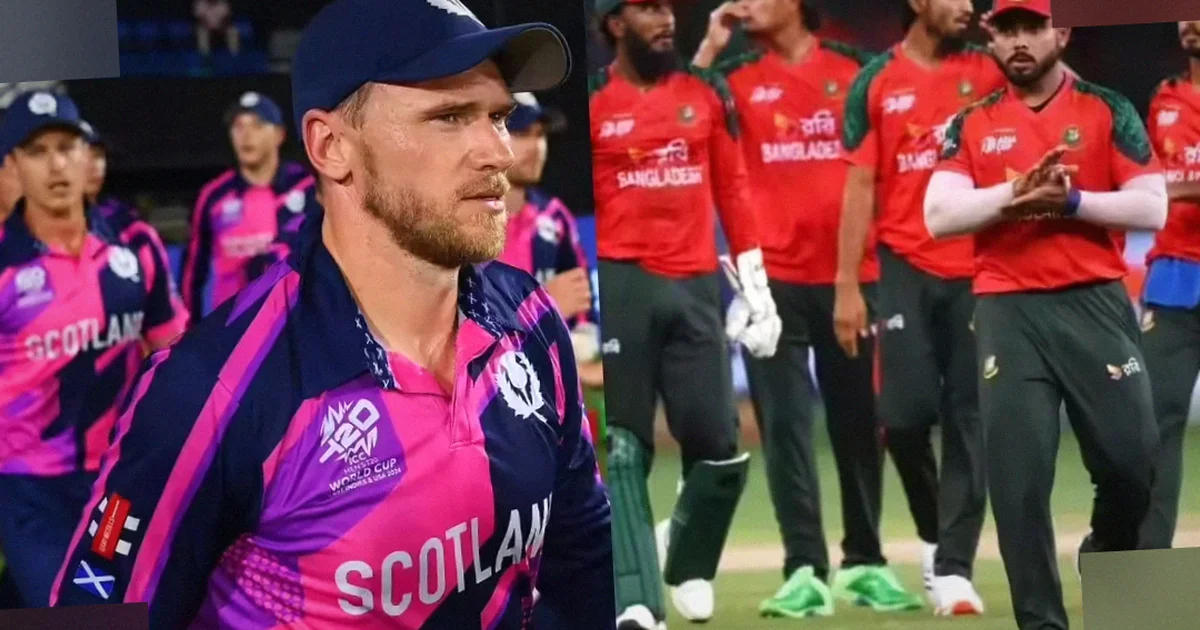
The decision landed like a bouncer under the lights. Loud. Unforgiving. And instantly divisive. In a shocking turn, Bangladesh are out of the T20 World Cup picture and Scotland are in—after the ICC ruled that the BCB’s demands didn’t match tournament policy, with ICC CEO Sanjog Gupta formally informing the board and extending the invite to the Scots.
One swap. One headline. But the aftershocks? They’ll rattle cricket long after the fixtures are printed.
Because this isn’t just about who plays. It’s about who gets listened to, who gets bent around policy, and who gets told—flatly—“No.” And when that happens, all hell broke loose in the conversation that followed. Fans, players, administrators… the cricket world reacts.
---
Section 1: Background/Context
Bangladesh’s removal isn’t being framed as a “performance issue.” It’s being framed as a governance and compliance issue—an institutional clash where the ICC decided the BCB’s asks didn’t fit the rulebook. That’s the core. Not form. Not flair. Not even finances, at least on the surface. Policy.
And that’s why Scotland’s selection matters. Scotland weren’t handed a sympathy invite; they were next in line in a system the ICC was determined to protect. It’s the kind of decision cricket administrators love to call “process-driven.” Fans call it something else. Political.
But here’s the uncomfortable truth: global cricket has been nudging toward this moment for years. Associate nations have been pounding on the door, demanding more meaningful access. Full members have been negotiating from positions of entitlement, sometimes expecting special lanes through traffic. This time, the traffic didn’t move.
And Scotland? They’ve been building in the background—quietly, stubbornly—like a side that’s tired of being treated as a warm-up act.
There’s a quote that captures the mood of teams that live outside the velvet rope: “We have done so many good things over the last three years and won some exciting matches.” It reads like a mission statement. It also reads like a warning. Because when a team believes it’s earned a seat, it doesn’t show up to make up numbers. It shows up to take someone’s spot and keep it.
---
Section 2: Main Analysis (The Drama, The Fight, The Statement)
This replacement is a public slap. Not a private email. Not a polite scheduling tweak. A public move that tells every board: don’t try to rewrite the script mid-season.
And Bangladesh’s exit raises a brutal question: when does a board’s leverage stop working?
That’s why this story is bigger than one tournament. It’s about control. The ICC ruling that the demands didn’t align with policy is the kind of sentence that sounds boring—until you realise it can change everything. If the ICC holds this line, the next standoff won’t be about one team. It’ll be about the entire culture of negotiation in cricket.
But here’s where Scotland become more than a placeholder.
Scotland’s cricket identity has always been about punching up. They don’t have the depth of a full-member superpower, so they build value in other currencies: discipline, adaptability, and the kind of team belief that doesn’t need permission. The best underdog sides have one shared trait—when the chase looks dead, they don’t panic, they plot.
That’s why a comment like “we did not believe that victory was possible at the start of the chase” hits so hard. It’s not just a confession; it’s a snapshot of what pressure does. Some teams admit defeat early, mentally caught behind before the ball even carries. Others learn to survive the moment, then steal it.
Scotland will arrive with that underdog edge sharpened. Bangladesh would’ve arrived with expectation and baggage. Different energies. Different headlines.
And the timing? Brutal. Because T20 cricket isn’t patient. One bad over and you’re going over the top, swinging at ghosts. One brain fade and a chase collapses. Just ask any side that’s watched a set platform turn into rubble.
Which brings us to the most frightening part of this format: collapses aren’t rare. They’re contagious.
We’ve just seen a match where a batter’s 73 dragged a team to 178, and the opposition completely fell apart in the chase. That’s not an accident; that’s T20 psychology. One moment you’re “in it,” the next you’re spiralling, swinging across the line, losing shape, losing nerve—bowling them round their legs with panic, not plan.
Bangladesh’s absence changes the emotional map of the tournament. Scotland’s presence changes the tactical map too.
Because Scotland won’t arrive trying to look like Bangladesh. They’ll arrive trying to make everyone else uncomfortable.
---
Section 3: Stats & Data (What the Numbers Whisper)
Some stories are written in spreadsheets. This one is written in pressure, policy, and pedigree. Still, numbers matter—especially when they point to the kind of experience that can decide tight games.
One detail jumps out like a neon sign: a left-arm spinner who is one of only three active bowlers with 1000 first-class wickets.
That’s not just longevity. That’s craft. That’s the ability to take a pitch apart over years, to understand drift, dip, and deception so well that batters start seeing threats that aren’t even there.
In T20s, a spinner like that doesn’t need a raging turner. He needs one over where the batter hesitates. That’s it.
Here’s a quick snapshot of the key factual pillars shaping this moment:
| Item | Verified Detail | Why It Matters in T20 World Cup Cricket |
|---|---:|---|
| Replacement decision | Bangladesh replaced by Scotland after ICC ruled BCB demands didn’t match policy | Sets a hard line on compliance; reshapes tournament field |
| ICC communication | ICC CEO Sanjog Gupta informed the board and invited Scotland | Signals the decision is top-level and formal, not casual |
| Elite bowling marker | Left-arm spinner is one of only 3 active bowlers with 1000 first-class wickets | Experience and control can flip tight matches in the middle overs |
| Momentum mindset | “We have done so many good things over the last three years and won some exciting matches” | Suggests Scotland’s confidence isn’t imaginary—it’s built |
| Collapse reminder | 73 helped a team reach 178; the chase then fell apart | T20 volatility: one innings can dominate, one chase can implode |
And yes—this is cricket. Numbers don’t guarantee wins. But they do explain why certain teams survive chaos better than others.
---
Section 4: Expert Opinion / Tactical Breakdown
Let’s talk tactics without pretending this is a calm, polite exchange.
Scotland’s route to relevance is simple: choke the middle overs, force risky matchups, and make opponents chase with fear.
1) Middle-overs control is the new powerplay
In modern T20 cricket, powerplay wickets are gold—but middle-overs squeeze is the knife. If Scotland can land a left-arm spinner with huge first-class mileage into that 7–15 phase, they can force batters into low-percentage shots: the slog-sweep into the wind, the flat-bat hit to the longest boundary, the desperate reverse that turns into a soft catch.
That’s where teams get caught behind—not literally every time, but mentally. They start second-guessing.
2) The chase is where nerves show
That quote about not believing victory was possible at the start of the chase is devastating because it’s common. Teams look at 180+ and decide it’s “too much.” Then they lose the first wicket and it becomes prophecy.
Scotland have to do the opposite: make opponents feel like 160 is 260. That’s how collapses happen. That’s how a chase “completely falls apart.”
3) Fielding becomes a weapon, not a footnote
Associate sides that make World Cup noise usually field like their lives depend on it. Because sometimes they do. Saving 10 runs in the ring is the same as hitting two sixes—except it also breaks the batter’s spirit.
4) The selection pressure flips
Bangladesh would’ve faced questions about legacy, expectation, and why they “should” win. Scotland face only one question: “What if they do it again?” That freedom is dangerous.
And if teams underestimate them? That’s when the ambush begins.
---
Section 5: What This Means for Cricket
This decision is a signal flare.
First, it tells boards that policy isn’t decorative. If the ICC can replace a full member over demands that don’t align with rules, then negotiation tactics across the sport just changed overnight.
Second, it tells Associate nations that doors can open—suddenly. Not as charity. As consequence.
Third, it adds fuel to the ongoing tension in cricket’s ecosystem: who the sport is built for. If Scotland walk in and pull off even one statement win, the debate will explode. More slots. More funding. More fixtures. More respect. The cricket world reacts, and it won’t be quiet.
And Bangladesh? Their absence becomes a storyline in itself—one that will follow administrators more than players. Because fans don’t forget when a team is removed from the biggest stage. They demand explanations. They demand accountability. They demand receipts.
This isn’t just a tournament tweak. It’s a warning shot.
And Scotland now carry the kind of opportunity that can change a generation—if they’re brave enough to swing for it.
---
Closing thought
Scotland didn’t ask for a gentle entry. They’ve been handed a high-voltage moment, the kind that either fries you or forges you. Bangladesh’s empty seat will be talked about for months. But if Scotland start winning, that seat might never feel “empty” again.
---