"5 Saal Se Chapede Hi Lag Rahe Hain": Pakistan Slammed Over Loss To England In T20 World Cup
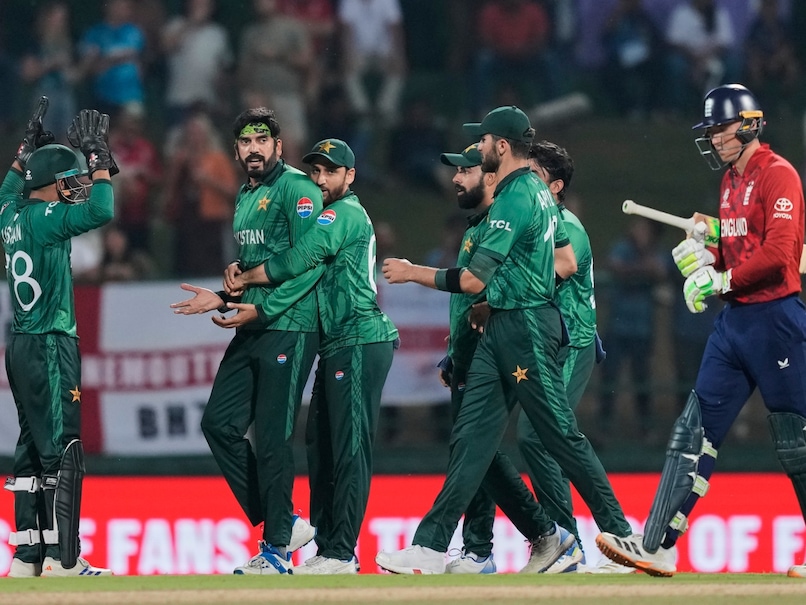
"5 Saal Se Chapede Hi Lag Rahe Hain" – Five years and still getting slapped around! That’s the sentiment echoing across Pakistan after their gut-wrenching two-wicket loss to England in the T20 World Cup 2026 Super Eight stage in Pallekele on February 24th. Ouch.
Let's be honest, Pakistan came into this T20 World Cup with a point to prove. After all the talk, all the hype, they needed to show they could compete with the best. And for a while, it looked like they might. They scrapped, they fought, but ultimately, they fell short against a clinical England side. The match itself was a rollercoaster. Pakistan, batting first, struggled to build momentum, losing wickets at crucial intervals. Babar Azam, so often their anchor, looked uncharacteristically subdued. A late flourish gave them a defendable total, but was it enough?
England's chase was a masterclass in controlled aggression. Jos Buttler, as he so often does, set the tone with some early boundaries. But Pakistan's bowlers, to their credit, didn't roll over. Shaheen Shah Afridi bowled with fire, picking up key wickets and injecting life into the Pakistan camp. The game went down to the wire, a nail-biting finish that had fans on the edge of their seats. Ultimately, England held their nerve, sneaking home with just two wickets to spare.
But here's the thing, this loss isn't just about one bad day at the office. It's a symptom of a deeper malaise plaguing Pakistan cricket. For too long, they've relied on individual brilliance rather than a cohesive team strategy. The batting is inconsistent, the fielding is often sloppy, and the decision-making under pressure…well, let's just say it leaves a lot to be desired. Remember the heroics of Imran Khan's cornered tigers in '92? This team seems miles away from that kind of resilience and tactical acumen.
What's fascinating is the contrast between the talent Pakistan possesses and their actual performance. They have world-class bowlers like Afridi and Naseem Shah, capable of terrorizing any batting lineup. They have batsmen with the potential to dominate. But potential only gets you so far. They need to find a way to translate that potential into consistent results. Is it a coaching issue? A leadership problem? Or a deeper cultural issue within the team? It's probably a combination of all three.
The pressure on Babar Azam will be immense. He's the captain, the talisman, the face of Pakistan cricket. Fairly or unfairly, he will carry the burden of this defeat. But blaming him alone is too simplistic. The entire team needs to take responsibility. They need to look inwards, identify their weaknesses, and work tirelessly to improve. Otherwise, they risk becoming perennial underachievers, a team that promises much but delivers little. This T20 World Cup 2026 loss to England could be a defining moment, a wake-up call that forces them to confront their shortcomings.
Looking ahead, the road doesn't get any easier for Pakistan. They face tough opposition in the remaining Super Eight matches. They need to win those games convincingly to keep their hopes of reaching the semi-finals alive. But more than that, they need to show some fight, some passion, some belief. They need to prove to their fans, and to themselves, that they are capable of competing with the best. And maybe, just maybe, silence those critics who are already writing them off. Keep an eye on how they respond – the next few games will reveal a lot about the character of this Pakistan team. Can they turn the chapede around? We'll soon find out.