Agha: 'Our decision-making is not as good as it should be' when put under pressure
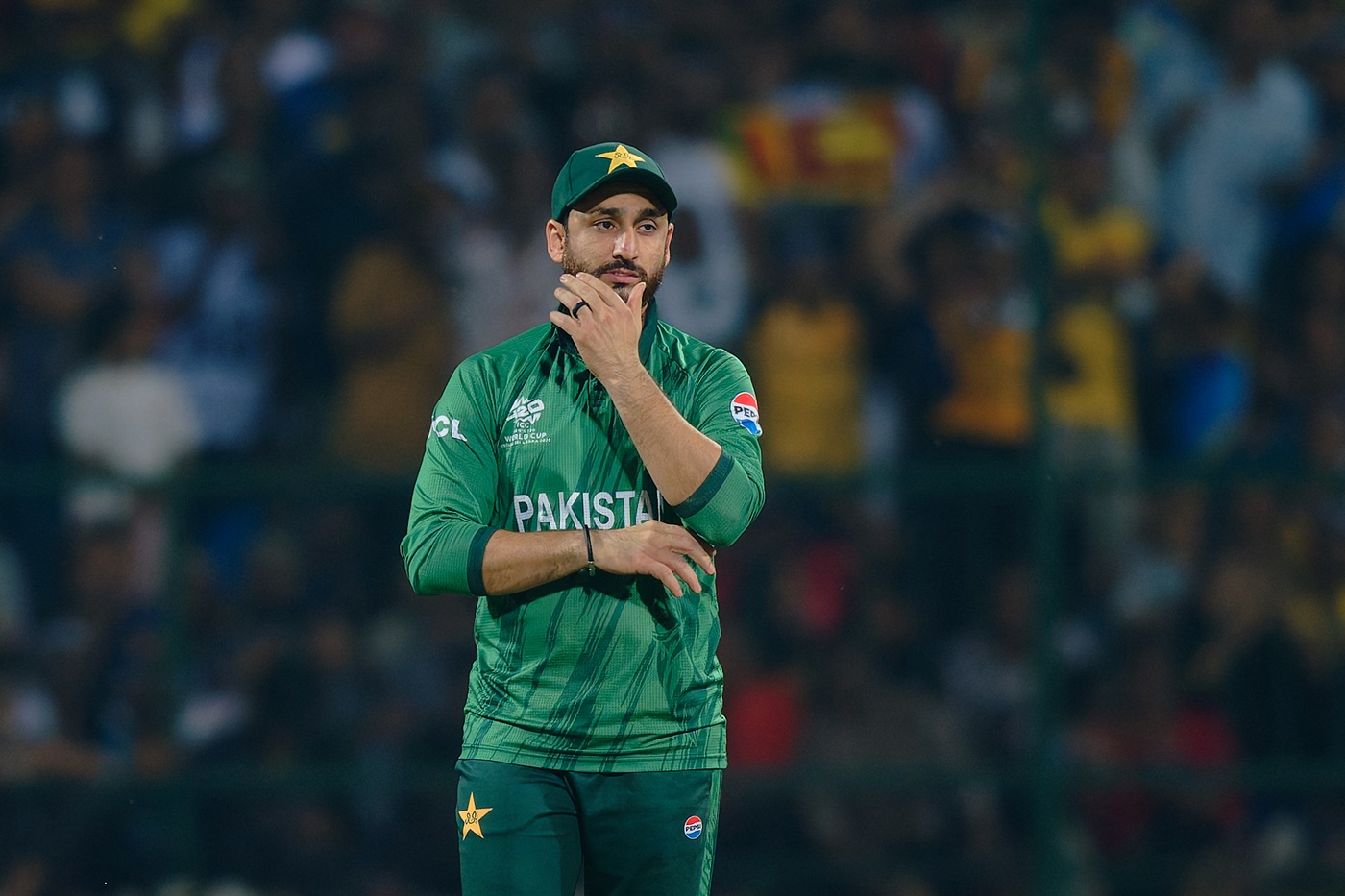
Ouch. "We underperformed." That's Salman Agha laying it bare after Pakistan's shock exit from the T20 World Cup. No sugarcoating, no excuses. Just raw honesty after a campaign that promised so much but delivered… well, nothing.
Pakistan, a team brimming with talent – Babar Azam, Shaheen Afridi, the explosive power of Fakhar Zaman – were expected to cruise through their group. Instead, they stumbled, stuttered, and ultimately crashed out before the Super 8s. Agha's assessment is brutal, but it rings true. They weren't just losing; they were losing the big moments, the pressure points that define World Cup campaigns. The loss against India, snatching defeat from the jaws of victory, will sting for a long, long time. And the shocker against the USA? Unthinkable, frankly.
Agha pinpointed a critical flaw: decision-making under pressure. And here's the thing: that’s not just a skill; it's a mindset. It's about clarity when the stakes are highest, about trusting your instincts, and about executing your plans without hesitation. Pakistan seemed to freeze, their usually aggressive approach replaced by tentativeness and doubt. What's fascinating is how a team so experienced, so used to the cauldron of international cricket, could buckle when it mattered most.
But let’s dig a little deeper, shall we? Pakistan's struggles weren't just about nerves. Their batting lacked the firepower we've come to expect. Babar Azam, usually a picture of serenity at the crease, looked strangely subdued. The middle order failed to provide the impetus needed to post challenging totals. And while Shaheen Afridi bowled his heart out, the other bowlers lacked consistency. It all added up to a perfect storm of underperformance.
The numbers tell a story, and it's not a pretty one for Pakistan fans. Their strike rates were down, their economy rates were up, and their fielding… well, let's just say there's room for improvement. But beyond the stats, there was a lack of cohesion, a missing spark. Pakistan teams of the past, even when not at their best, always had that 'never say die' attitude. This team, sadly, seemed to lack that fighting spirit.
What does this mean for Pakistan cricket moving forward? A period of soul-searching, undoubtedly. There will be calls for changes, for fresh faces, for a new approach. But let's be honest, talent isn't the issue. Pakistan has an abundance of gifted cricketers. The challenge is to create an environment where they can thrive under pressure, where they can make smart decisions when the heat is on. Perhaps a greater emphasis on mental conditioning, on developing leadership skills throughout the squad, is needed.
Looking ahead, the focus will shift to rebuilding for future tournaments, including the next T20 World Cup and beyond, perhaps even with an eye on the long-term goal of the IPL 2026, should Pakistani players be allowed to participate. Can Pakistan learn from this humbling experience? Can they address their weaknesses and rediscover their winning mentality? Only time will tell, but one thing's for sure: the road back to the top will be a long and arduous one.