Akhtar's Scathing Critique: Exposes India-Pakistan Cricket Divide After World Cup
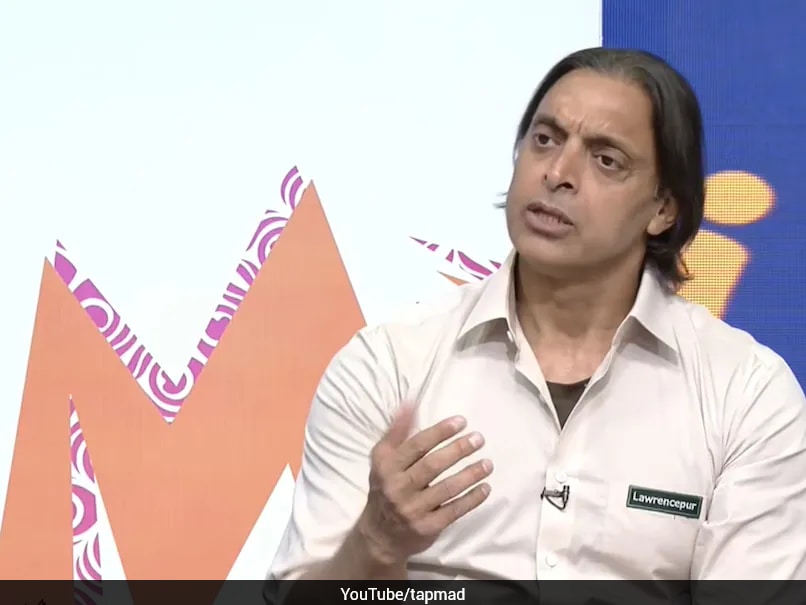
The aftermath of the T20 World Cup final continues to generate debate. And the latest voice adding to the chorus is that of Shoaib Akhtar.
Akhtar, in what can only be described as an 'In Epic' rant, has dissected the differences between Team India and Pakistan's cricketing structures. The 'Rawalpindi Express' didn't hold back.
The core of his argument revolves around the investments made by the Board of Control for Cricket in India (BCCI) and the system cultivated, particularly highlighting the contributions of figures like Gautam Gambhir. Statistically speaking, India’s consistency at major tournaments over the last decade speaks volumes.
Akhtar contrasted this with the perceived shortcomings within Pakistan cricket, though he stopped short of naming specific individuals responsible. He essentially bowed to the infrastructure India has built.
But what exactly are these differences? When you look at the data, the numbers don't lie. India's investment in grassroots cricket is significantly higher. This allows for a larger talent pool and more refined coaching at an earlier age. Is that the key?
Consider India's batting averages in the recent World Cup compared to Pakistan's. A significant disparity exists, particularly in the powerplay overs. India consistently achieved higher strike rates early in their innings.
India Powerplay Strike Rate: 145.6
Pakistan Powerplay Strike Rate: 118.2
And the bowling? India's economy rate during the middle overs was substantially better.
India Middle Overs Economy: 6.8
Pakistan Middle Overs Economy: 8.1
These figures illustrate the impact of a well-oiled system and the depth of talent available to the Indian team management. The differences are stark.
Off stump line and length are just not being hit enough by Pakistan’s bowlers, whereas India’s bowlers are doing that consistently.
Meanwhile, Sanju Samson, Ishan Kishan, Hardik Pandya, and Jasprit Bumrah have been named in the team of the tournament. Aiden Markram has been given the honour of captaining this elite XI. This further underscores the strength and representation from the Indian contingent following the World Cup.
World Cup finals, as history shows, can defy expectations. Virat Kohli in 2024 and Abhishek Sharma in 2026 are prime examples of players whose performances were under intense scrutiny. The pressure cooker environment often throws form out the window. Will history repeat itself?
Akhtar’s rant, therefore, isn't just about the final itself. It's about the long-term vision and execution that separates the two cricketing nations. One has consistently invested in its infrastructure. The other, according to Akhtar, needs to take a long, hard look at its own system. To develop that killer instinct and ability to bowl an absolute jaffa.
But what does this mean for the future of Pakistan cricket? That's the million-dollar question. Changes are needed. That much is clear. Whether these changes will be implemented effectively remains to be seen. Knocking it around won't be enough.
What's next? It is expected that Pakistan’s cricket board will face immense pressure to make systemic changes. It has to. They were plumb in front, according to many experts.