Attacked Shaheen But Respected Off-Spinners: Former RCB Coach on Ishan Kishan’s Calculated Demolition Job vs Pakistan | Cricket News
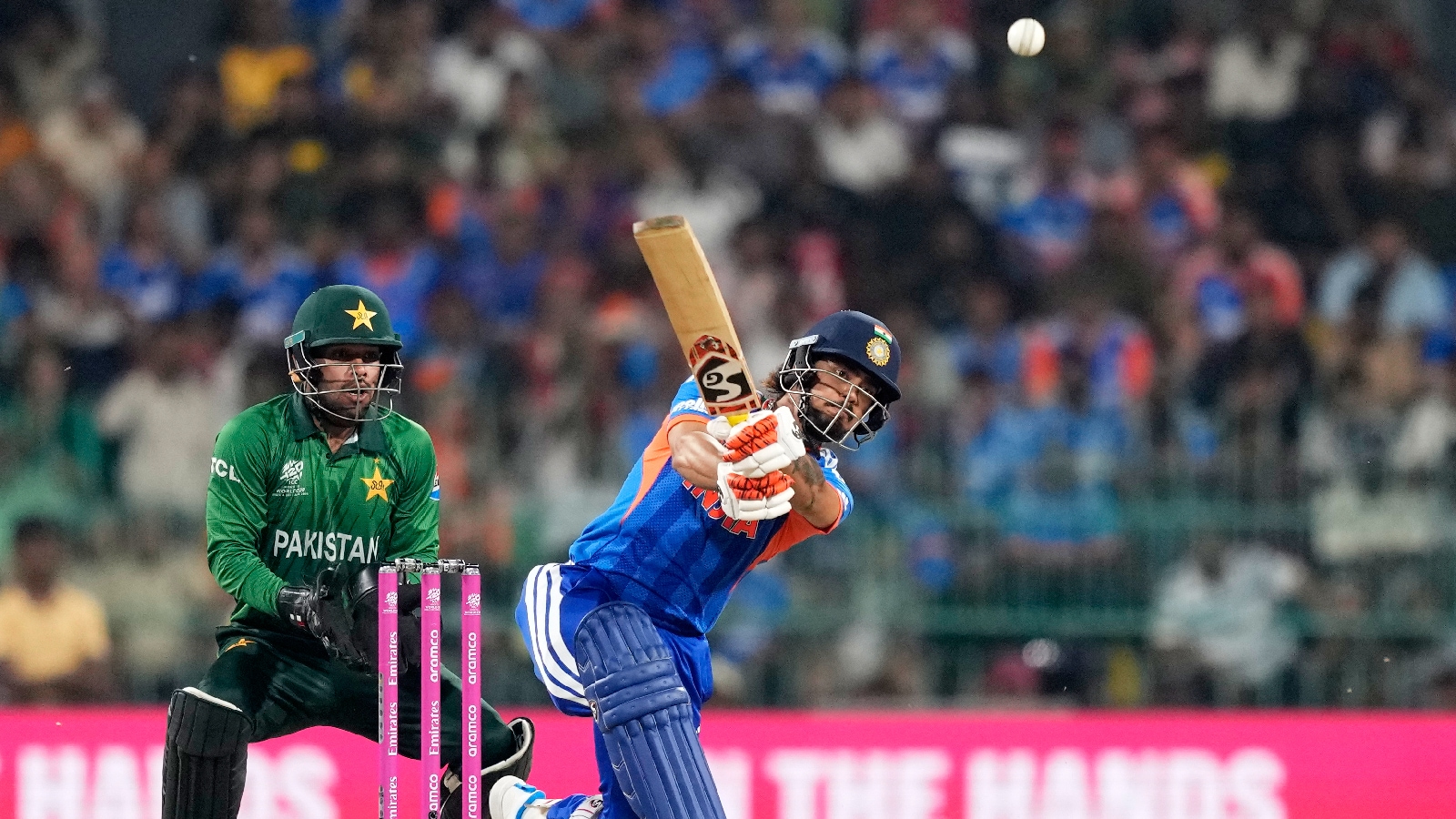
Ishan Kishan's innings against Pakistan is still being dissected. But how did he construct it? A former RCB coach has weighed in on Kishan's calculated assault, particularly his approach to Shaheen Afridi and the Pakistani off-spinners. The numbers don't lie: it seems a clear strategy was at play.
Kishan's knock, a blend of aggression and circumspection, came in a crucial situation. The match, held last week, saw India facing a formidable Pakistani bowling attack. It was a pressure cooker. And Kishan responded with a mix of power and patience.
Statistically speaking, Kishan’s innings can be broken down into two distinct phases. First, his assault on Shaheen Afridi. When you look at the data, his strike rate against the left-arm pacer was significantly higher compared to his overall strike rate. Then there's his approach against the off-spinners. He showed considerably more restraint, focusing on rotating the strike and avoiding risky shots. Is this by design?
Strike Rate vs Shaheen Afridi: 135.7
Strike Rate vs Off-Spin: 88.2
Overall Strike Rate: 105.6
Runs Scored vs Shaheen: 48
* Runs Scored vs Off-Spin: 30
This disparity highlights a clear tactical decision. He was taking guard against Shaheen and was looking to dominate. But he played with soft hands against spin. It suggests a pre-planned strategy to target Afridi's pace while respecting the variations of the slower bowlers.
But what about the context of the game? India, led by Rohit Sharma in previous T20 World Cups, has historically enjoyed success against Pakistan in major tournaments. Rohit Sharma led India in the T20 World Cup 2022 and 2024, guiding the team to two memorable victories over Pakistan. This winning mentality, instilled by Sharma, likely played a role in Kishan's aggressive mindset. And the pressure to maintain that dominance was palpable.
The composition of the Pakistani team also influenced Kishan's approach. The team features star batter Babar Azam, premium fast bowler Shaheen Afridi and all-rounder Shadab Khan. Kishan's plan seems to have been to put Afridi under pressure early, preventing him from settling into a rhythm and potentially exposing the less experienced bowlers later in the innings.
The importance of this innings extends beyond just one match. It showcases the evolving strategies in modern cricket. Batsmen are no longer simply reacting to bowlers. Instead, they're actively analyzing strengths and weaknesses, formulating plans to maximize their scoring opportunities. The data supports this. The age of proactive batting is here.
And it’s not just the men’s game where tactical acumen is on display. Pakistan Women finished their tour of South Africa on a high, securing a massive 119-run victory over the Proteas. Such victories underline the growing sophistication of cricket strategy across all formats and genders. Plumb in front, the game has become a chess match played with bat and ball.
What can we expect from Kishan moving forward? Will he continue to adopt this aggressive approach against pace bowlers? Or will he adapt his strategy based on the opposition and conditions? One thing is certain: analysts and opposing teams will be studying his innings closely, looking for clues to unlock his game. His front-foot play will be under scrutiny. He is now a marked man.
The next encounter between India and Pakistan will be a fascinating test of strategies. Will Pakistan adapt their bowling plans to counter Kishan's aggression? Or will Kishan continue to dictate terms with his calculated approach? Only time will tell.