Aussie Selector Explains Smith Call, Confirms World Cup Review | Cricket News
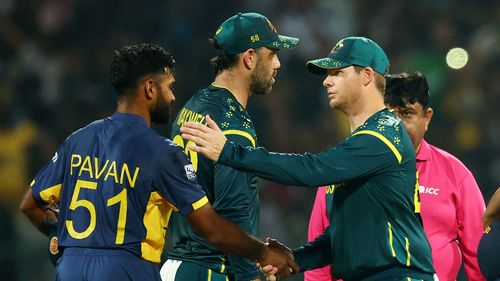
Australia's World Cup campaign has ended prematurely. A forensic review is now inevitable after the team's shock group-stage exit, the first since 2009. And while the inquest begins Down Under, elsewhere in the cricket world, runs are still being scored.
Sri Lanka's opener, Pathum Nissanka, delivered a stunning performance. His unbeaten 100 off just 52 balls propelled his team in their chase of 182. A masterclass in T20 hitting, it showcased power and precision.
The numbers don't lie: Australia's batting averages in this tournament were simply not good enough. Top-order collapses became a recurring theme. Statistically speaking, their inability to consistently post competitive totals cost them dearly. The middle order couldn't compensate.
Consider these numbers:
Average first innings score by Australia: 145. This is hardly a daunting total for any team with aspirations of World Cup glory.
Percentage of times Australia lost more than 3 wickets in the Powerplay: 40%. That's a problem.
* Average economy rate of Australian spinners in the middle overs: 7.8. Acceptable, but not game-changing.
When you look at the data, a clear pattern emerges. A failure to adapt to the conditions, coupled with inconsistent batting displays, sealed their fate. The pitches, particularly in the Caribbean, presented challenges. The Australians didn't overcome them.
The contrast with Nissanka's innings is stark. He demonstrated how to effectively attack on these surfaces. His strike rate of 192.30 indicates intent and execution. It was a display of clean hitting. Textbook technique combined with innovative strokeplay.
Meanwhile, New Zealand's Glenn Phillips has weighed in on the use of switch-hits in modern cricket. He defended the shot. He claims it allows him to access different areas of the field. The claim? "It's not a one-trick pony." This highlights the increasing importance of versatility. Batters must adapt and innovate to succeed.
Australia still has a match to play against Oman. But it's a dead rubber. A chance for some players to salvage pride. A chance to experiment. But the damage has been done.
But what went wrong for the Aussies? Was it complacency? Poor selection? Or simply a case of other teams being better prepared? The review will need to address these questions head-on. No stone can be left unturned.
The absence of consistent form from key players will be a major point of discussion. Some players were knocking it around, but not converting starts into meaningful scores. The lack of a genuine power-hitter in the middle order hurt them.
The bowling attack, while generally economical, lacked penetration at crucial moments. They struggled to take wickets in the middle overs. This allowed opposition teams to build momentum. It put pressure on the Australian batters to chase larger totals.
And it's not just Australia facing scrutiny. Other teams also had their challenges. Some performed above expectations. Some failed to live up to the hype. That's the nature of tournament cricket.
The Super Eight stage is set. India, Zimbabwe, West Indies, and South Africa will battle it out in Group 1. England, New Zealand, Pakistan, and Sri Lanka will contest Group 2. These teams have earned their place. They will now fight for a spot in the semi-finals.
Pakistan's qualification for the Super Eight in the 2026 World Cup is already assured. This brings certainty to their future. Focus will shift to building a team capable of competing at the highest level.
The review of Australia's performance will be thorough. Expect changes. Expect tough decisions to be made. Are senior players nearing the end? Is it time to blood new talent? These are the questions selectors face.
What about Steve Smith? He brings experience. But does he fit into the T20 mold? Selectors will need to consider all options. They must build a team capable of competing in future tournaments.
The T20 format demands aggression and adaptability. Teams must be proactive. They must be willing to take risks. Australia's approach appeared too conservative at times. This cost them valuable momentum.
The fielding also came under scrutiny. Dropped catches and missed run-out opportunities proved costly. These errors often swing matches in high-pressure situations. Australia's fielding standards need to improve.
Can Australia learn from their mistakes? Can they bounce back stronger? The answer lies in their ability to adapt and evolve. They must embrace innovation. They must be willing to challenge the status quo.
The upcoming months will be crucial. New strategies need to be implemented. New players need to be given opportunities. The goal? Rebuilding confidence. The goal? Developing a winning formula.
The World Cup has highlighted the ever-changing nature of cricket. The game continues to evolve. Teams must adapt. Australia failed to do so. They paid the price.
The pressure is now on. The selectors must make the right decisions. They must build a team capable of competing. The future of Australian T20 cricket hangs in the balance. And that's a heavy weight to bear.