Bailey Downplays Contract Rejections: Is Australian Cricket in Crisis?
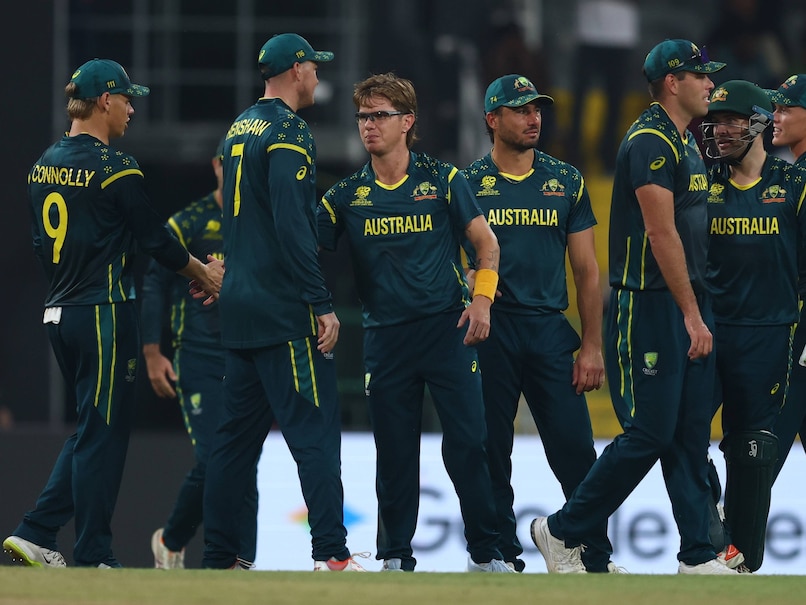
Reports surfaced recently suggesting unease within Cricket Australia, with whispers of discontent amongst senior players. Specifically, the claim is that a number of players rejected initial central contract offers.
Australia's chair of selectors, George Bailey, addressed the media. And he was firm. Bailey denied any significant concerns arising from these rejections. But, are things really as calm as he suggests?
The situation involves a group of unnamed senior Australian cricketers. It's claimed these players have declined Cricket Australia's first contract proposals. The news broke earlier this week, sending ripples through the Australian cricket community. Bailey's comments aimed to quell speculation that this signaled deeper problems within the national setup. This comes at a critical juncture, as Australia looks to maintain its dominance in the sport.
Statistically speaking, contract negotiations often involve initial offers being turned down. It's part of the process. However, five rejections raise eyebrows. When you look at the data, player contracts are more than just about money. They represent security and recognition. A high rejection rate could point to disagreements on player valuation, team direction, or even playing time.
Consider the potential impact. Are players feeling undervalued? Is there a lack of clarity regarding their roles within the team?
Batting Average of players rejecting contracts: Unknown.
Strike Rate of players rejecting contracts: Speculative.
* Economy Rate impact on team: Uncertain.
These are crucial metrics. Even without the exact numbers, these rejections could lead to instability. And that is the last thing any team wants, particularly in crunch time. Getting their eye in for crucial series becomes difficult when off-field issues loom.
What are the potential reasons behind the players' decisions? It could be a negotiation tactic. Or it could be a signal of something more profound. Perhaps dissatisfaction with selection policies or concerns about the long-term vision for Australian cricket. The corridor of uncertainty extends beyond the pitch, it seems. The numbers don't lie; player satisfaction is directly linked to on-field performance. If players feel undervalued, their performance will invariably suffer, putting the team on the back foot.
This situation also shines a light on Cricket Australia's management style. How are they handling these negotiations? Are they being proactive enough to address player concerns? It's essential for Cricket Australia to foster a positive and supportive environment.
Moving forward, it's crucial to monitor how Cricket Australia addresses these contract disputes. Will they offer revised contracts? Will there be further discussions with the players? The resolution of this situation will provide insights into the health and stability of Australian cricket. What happens next will be telling.