Bangladesh's new sports minister wants to 'resolve issue' with India quickly
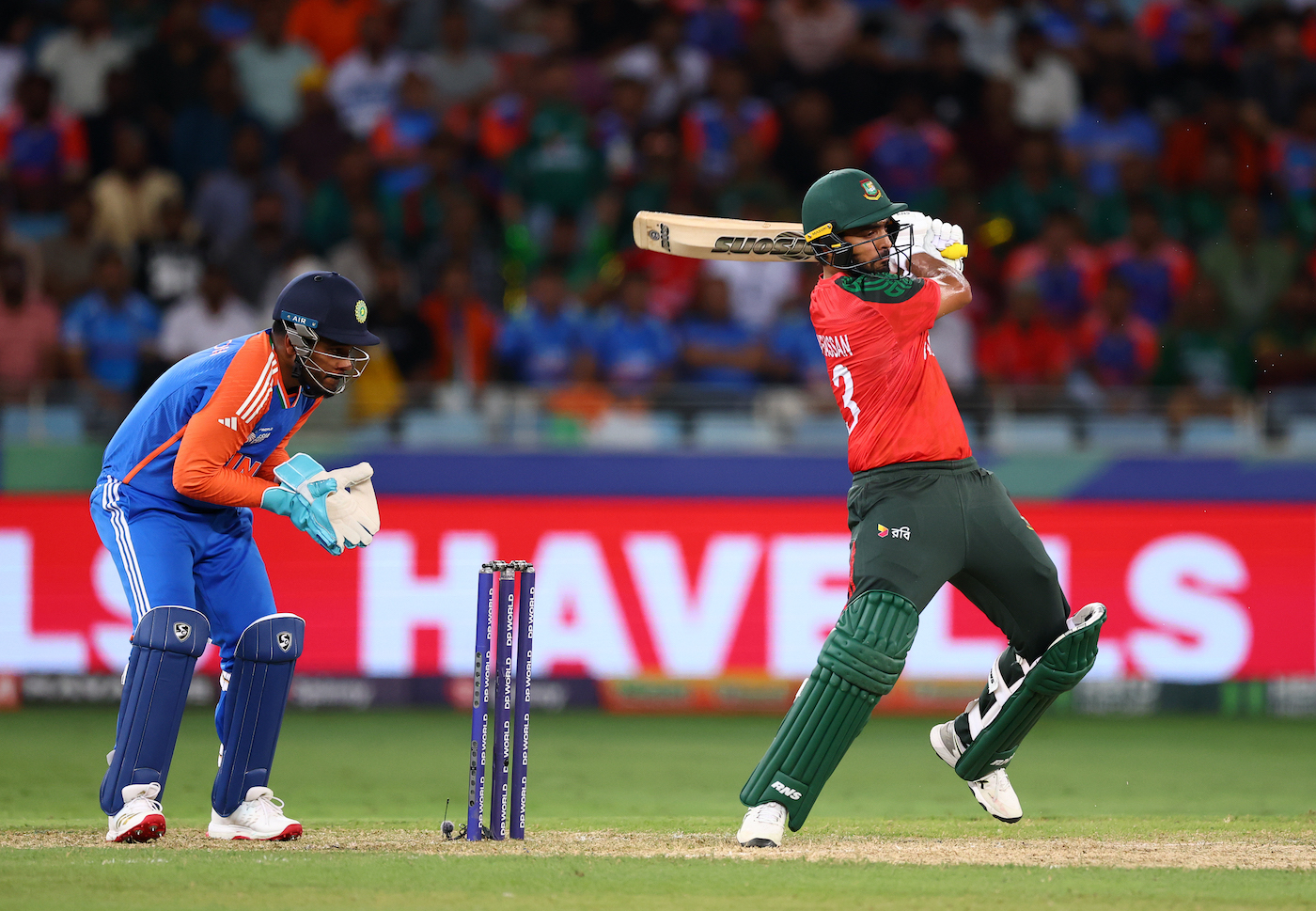
Bangladesh's new sports minister wants to "resolve issues" with India quickly. That sounds like diplomatic talk, but what does it really mean for the cricket pitch?
Aminul Haque, the newly appointed sports minister, has stated his desire to maintain friendly relations with all neighbouring countries. On the surface, it's standard political fare. But in the subcontinent, cricket and politics are so intertwined that any shift in diplomatic winds can have a direct impact on the 22 yards. Let's be honest, India-Bangladesh contests are more than just cricket matches; they're charged with history, passion, and, sometimes, a bit of tension.
What's fascinating is the timing. We're heading into a crucial phase for both teams. Bangladesh is trying to cement its place as a consistent force in world cricket, while India, well, India is always under pressure to win everything. Any friction off the field can easily translate into added pressure on it. Think back to past encounters – remember the heated exchanges, the close finishes, the controversies? These matches are rarely dull, and often defined by an underlying edge.
So, what "issues" are we talking about here? It could be anything from scheduling conflicts to disputes over umpiring decisions in past series. Perhaps it involves the sharing of resources or even disagreements about player availability for franchise leagues like the IPL. Whatever it is, Haque's statement suggests a desire for smoother sailing.
Now, here's my take. A healthy relationship between the cricket boards is vital for the growth of the game in both countries. More frequent tours, collaborative development programs, and fair treatment in ICC events – these are all benefits that can arise from improved relations. For Bangladesh, in particular, closer ties with the BCCI could open doors for their players to gain valuable experience in the IPL and other high-profile tournaments. Imagine a few more Bangladeshi players getting picked up in the IPL 2026 auction – that would be huge for their confidence and exposure.
Historically, Bangladesh has often punched above its weight against India. Their passionate fans create an electric atmosphere, and their players are always up for the challenge. But sometimes, that passion can spill over into unnecessary controversies. A more harmonious relationship between the boards could help channel that energy in a positive direction.
Tactically, a more relaxed atmosphere could also benefit both teams. Players might feel less pressure, allowing them to express themselves more freely on the field. We might see more innovative strategies, bolder strokeplay, and fewer instances of players getting bogged down by the weight of expectations. Think about it: a fearless Bangladesh team, unburdened by off-field tensions, could be a real threat in major tournaments.
Looking ahead, it will be interesting to see how this diplomatic overture translates into concrete action. Will we see more bilateral series between India and Bangladesh? Will there be increased cooperation in player development? And most importantly, will the on-field rivalry remain as fierce and captivating as ever? One thing's for sure: this is a story worth following closely. Because in the world of cricket, as in life, good relations are always a good innings.