'Bat like Sehwag', Baz's message to Rehan Ahmed during New Zealand clash
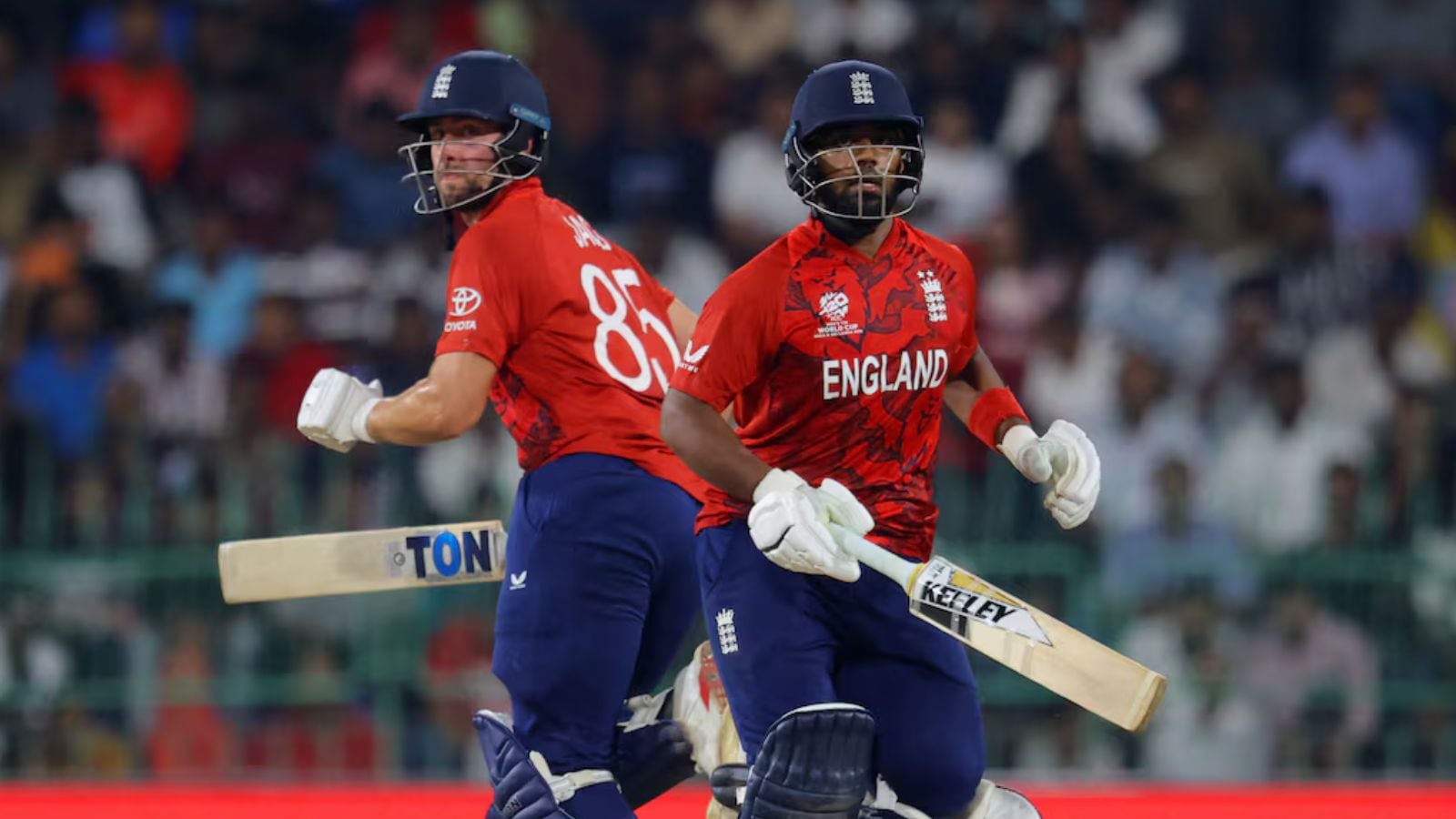
"Bat like Sehwag!" Can you imagine the pressure? That was Brendon McCullum's, or Baz's, message to Rehan Ahmed during a tense moment in the recent clash against New Zealand. Talk about a vote of confidence, and a whole lot of expectation rolled into one!
The situation was this: England, chasing a tricky total against a determined New Zealand side, needed someone to inject some impetus. Rehan Ahmed, the young leg-spinner, walked in with the scoreboard pressure mounting. Instead of a cautious nudge and nurdle approach, he got the Bazball treatment: a direct instruction to channel his inner Virender Sehwag. Now, Sehwag in his prime was all about fearless aggression, dismantling attacks with audacious strokeplay. It’s a high bar to set for anyone, let alone a young player still finding his feet in international cricket.
While Rehan didn't quite unleash a Sehwag-esque onslaught, the intent was clear. He wasn't there to block and survive; he was there to attack. He played some bold shots, put the pressure back on the New Zealand bowlers, and ultimately, while he didn't win the game single-handedly, he contributed valuable runs and, more importantly, disrupted the opposition's rhythm. It was a calculated gamble from McCullum, and it offered a fascinating glimpse into England's evolving philosophy.
Here's the thing: Bazball isn't just about mindless slogging. It's about empowering players to express themselves, to trust their instincts, and to play with a freedom that can be incredibly unsettling for the opposition. Asking Rehan Ahmed to bat like Sehwag wasn't about expecting him to replicate the Indian legend's exact style. It was about unlocking a mindset, encouraging him to embrace risk and to back his attacking instincts.
What's fascinating is how this approach contrasts with traditional cricketing wisdom. For years, young players have been told to prioritize stability, to build an innings, and to avoid unnecessary risks. Bazball flips that script entirely. It says, "Go out there and express yourself. Don't be afraid to fail. We believe in your ability to impact the game."
But does it always work? Of course not. There will be times when this aggressive approach leads to collapses and defeats. But the larger point is this: England are willing to accept those setbacks in pursuit of a more exciting, more engaging, and ultimately, more successful brand of cricket. And it's got fans talking about the upcoming contests, and especially the strategies England might employ in the lead up to events like the ICC Champions Trophy 2025.
The numbers, though, will be scrutinised. Let's be honest, Bazball is under the microscope every time England take to the field. Every top-edged six is celebrated, every rash shot leading to a dismissal is dissected. But McCullum and Stokes seem unfazed. They are building something bigger than just individual match wins; they are cultivating a culture of fearless cricket.
Looking ahead, it will be interesting to see how Rehan Ahmed develops under this regime. Will he become a genuine all-rounder capable of explosive cameos? Will other teams adopt similar high-risk, high-reward strategies? One thing is certain: England under McCullum and Stokes are forcing us to rethink the way we view Test cricket, and that makes every match a must-watch. Keep an eye on how these tactics evolve, especially with the approaching challenges of the English summer and the whispers already starting about team compositions for the next Ashes series. The game is changing, and England are at the forefront of that change.