‘best Time to Crush Them’: Oman Captain Sounds Warning to Wounded Australia Ahead of Final T20 World Cup 2026 Group Match
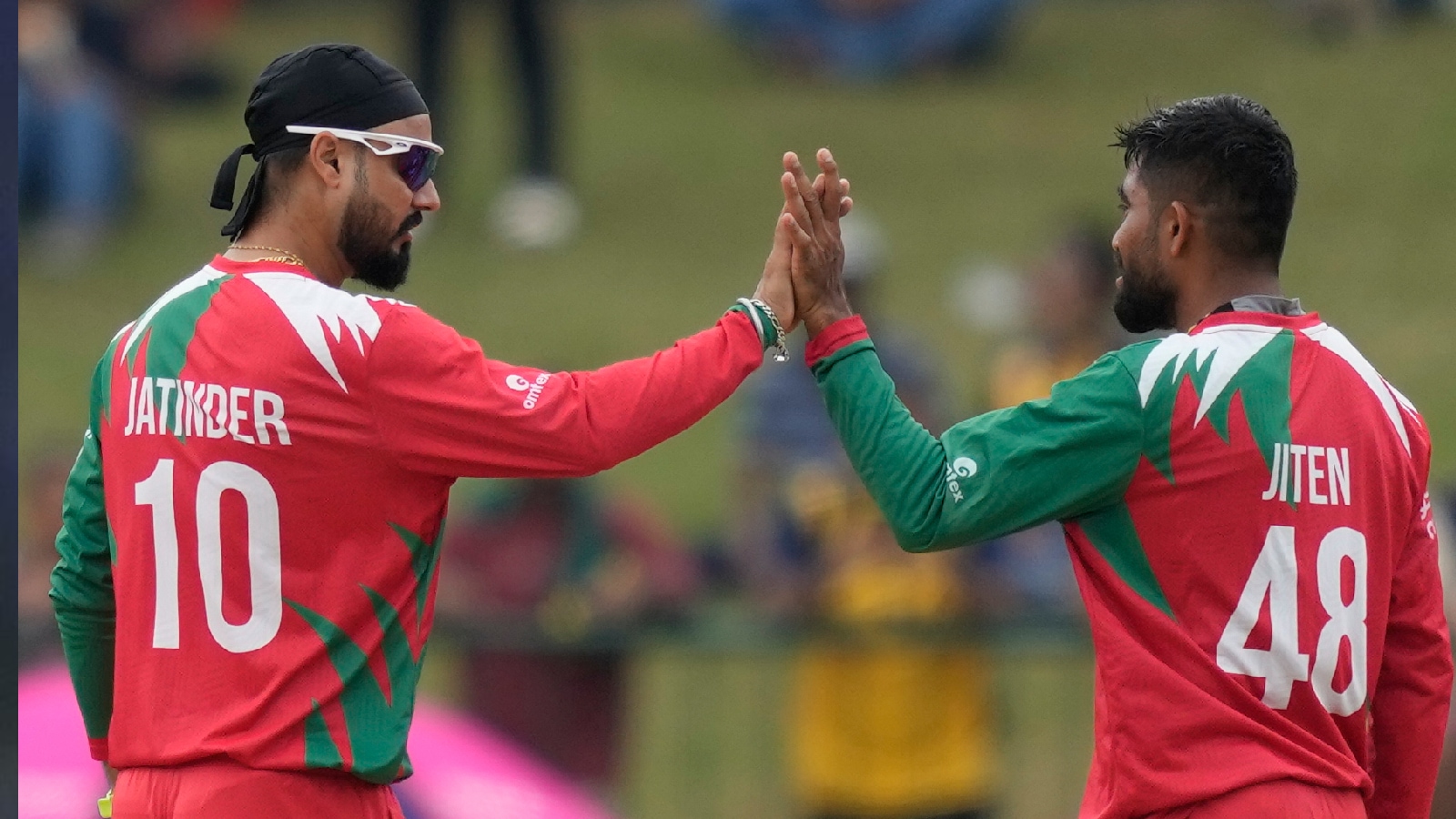
Oman eyes opportunity as Australia stumbles ahead of crucial T20 clash. Can they capitalize on the defending champion's shaky form?
The T20 World Cup 2026 looms, and already, narratives are taking shape. Oman's captain has issued a clear message to a vulnerable Australian side ahead of their final group stage match: this is the moment to strike. But is it bluster, or is there genuine opportunity?
The match, slated for next week in Trinidad, sees Australia entering on the back foot after a shock defeat against New Zealand. Oman, while yet to secure a win in the tournament, possesses a bowling attack that, on its day, can stifle even the most aggressive batting lineups. Statistically speaking, Australia's batting average in the middle overs has dipped significantly compared to their performance leading up to the World Cup. The numbers don't lie.
Consider Australia's recent struggles. Their top order has been uncharacteristically brittle, failing to establish the kind of dominant partnerships that defined their previous T20 success. Against New Zealand, their opening stand yielded a paltry 18 runs, a far cry from the explosive starts they've become known for. This fragility presents a clear opening for Oman's bowlers, who will be targeting early wickets to put pressure on Australia's middle order.
Oman, however, faces its own challenges. Their batting lineup lacks the firepower to consistently chase down large totals. Their scoring rate in the powerplay overs has been a concern, often leaving them with too much to do in the latter stages of the innings. A watchful innings won't cut it.
For Oman to truly capitalize, their batsmen must adopt a more aggressive approach from the outset. Knocking it around for singles won’t suffice. They need to find the boundaries, put the Australian bowlers under pressure, and force them to deviate from their plans. A key factor will be the performance of their captain. He needs to lead from the front with both bat and tactical acumen.
Zimbabwe's campaign serves as a cautionary tale. Finishing at the bottom of the Super Eight stage with zero wins, their struggles highlighted the importance of consistency and adaptability in the T20 format. While Zimbabwe's issues reportedly extended beyond on-field performance, including logistical challenges impacting team morale, their fate underscores the unforgiving nature of World Cup cricket. Their batting average throughout the tournament was a dismal 112.
But, while some teams have struggled, others have seen individual brilliance shine through. Suryakumar Yadav's innovative strokeplay has been a consistent highlight for India. His ability to find boundaries in unconventional areas of the field has been crucial in accelerating India's scoring rate in the middle overs. It's a proof to the power of adaptability in this format.
The broader context reveals a dynamic T20 cricket environment. We see innovation at play with franchise leagues too. For example, the announcement of a new franchise-based competition exclusively for women cricketers from Mumbai signals a welcome step towards greater inclusivity and opportunity within the sport. This is likely to unearth fresh talent.
The T20 World Cup 2026 promises more excitement, upsets, and individual brilliance. As teams fine-tune their strategies and players strive to make their mark, the coming weeks will undoubtedly deliver a captivating spectacle for cricket fans worldwide. Will Australia recover their form? Can Oman pull off an upset? These questions will be answered soon enough.