'Could've been a different story had we won the toss': Salman Ali Agha rues dew factor after Pakistan's narrow exit from T20 World Cup
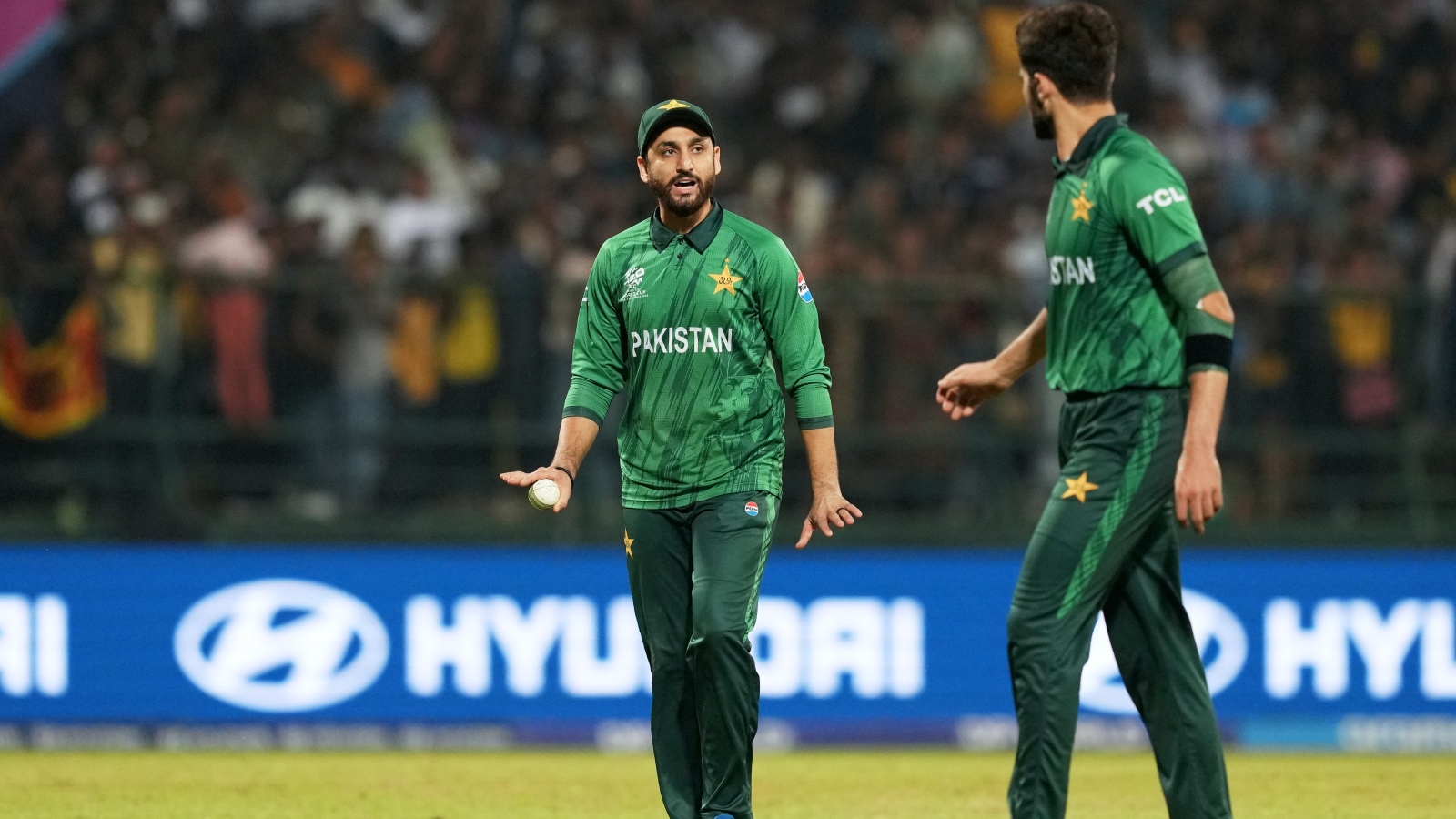
"Could've been a different story had we won the toss." Those are the words echoing from the Pakistan camp after their agonizingly close exit from the T20 World Cup. And let's be honest, it's a sentiment many a captain has muttered under their breath. But does it hold water this time, or is it just sour grapes?
Pakistan's journey in this T20 World Cup has been nothing short of a rollercoaster. One minute they looked down and out, the next, they were sniffing a potential semi-final berth. Salman Ali Agha's comments highlight the frustration – the feeling that fate, or rather, a coin toss, played a bigger role than it should have. The dew factor, particularly in the latter stages of the tournament, undeniably impacted chasing scores. It made gripping the ball difficult for bowlers and allowed the ball to skid onto the bat, favoring the batsmen. We saw it time and again; second innings became batting paradises.
But here's the thing: blaming the toss alone is a dangerous game. Yes, the conditions changed drastically, but top teams find ways to adapt. Pakistan's batting, while showing glimpses of brilliance, lacked the consistency needed to truly dominate. Babar Azam and Mohammad Rizwan, usually so reliable, had periods where they struggled to find their rhythm. The middle order, often a weak link, didn't always fire when needed. Could a different batting strategy in the powerplay have negated the toss's impact? Possibly.
What's fascinating is how this situation throws a spotlight on the evolving nature of T20 cricket. It's no longer just about power-hitting. Teams need tactical flexibility, adaptability, and the ability to execute plans under pressure, regardless of the conditions. Pakistan's reliance on a particular style of play, especially at the top of the order, might have ultimately been their undoing. Think back to some of the other successful teams in the tournament; they had players who could accelerate at any stage, bowlers who could bowl yorkers under pressure, and fielders who could save crucial runs.
Salman Ali Agha is a talented player, no doubt, and his frustration is understandable. But this T20 World Cup exit should serve as a wake-up call for Pakistan cricket. It's about more than just winning the toss. It's about building a team that can overcome adversity, adapt to different conditions, and execute under pressure. Looking ahead to the next major tournament, perhaps even the distant IPL 2026, Pakistan needs to invest in developing players with diverse skill sets and fostering a culture of adaptability. The talent is there; it's about harnessing it effectively.
So, what to watch for next? Keep an eye on how Pakistan responds to this setback. Will they make wholesale changes, or will they stick with the core group and try to refine their approach? The answers to those questions will determine whether they can truly compete on the world stage in the years to come. And maybe, just maybe, they'll win a few more tosses along the way.