Dhoni's Rise: Yuvraj Singh on Captaincy Shocks and SRH's Gamble
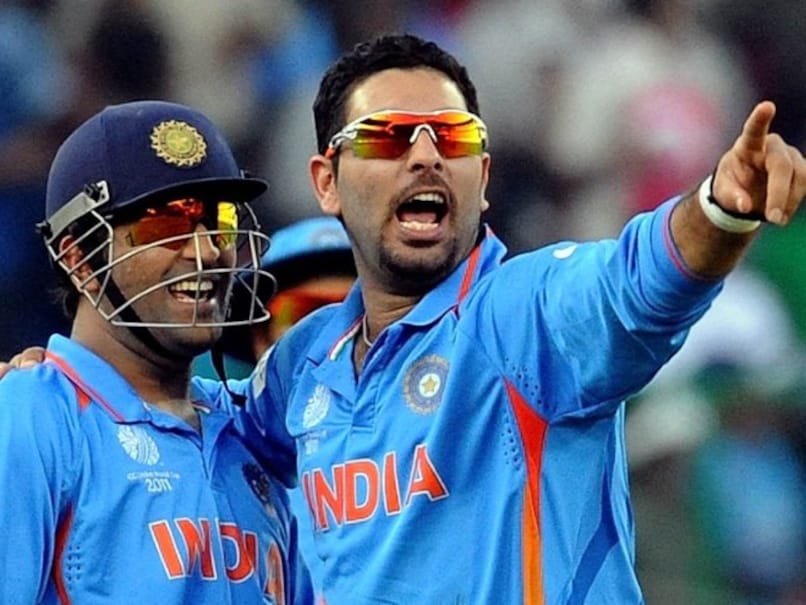
Yuvraj Singh has stirred the pot again. This time, reflecting on past captaincy calls and questioning current ones.
Yuvraj Singh recently opened up about the unexpected transition that saw MS Dhoni take the reins of the Indian cricket team in 2007. Simultaneously, he expressed his bewilderment at Sunrisers Hyderabad's (SRH) choice to appoint Ishan Kishan as captain, instead of Abhishek Sharma, during Pat Cummins' absence. His comments have reignited debate surrounding leadership dynamics both in the international and domestic arenas.
The 2007 decision, which saw Dhoni "From Nowhere" become captain, surprised many. Singh suggested it was a bold move at the time. The selectors saw something special in Dhoni's ability to read the situation, a quality Singh clearly values highly. But the Sunrisers Hyderabad's recent call is a different story, in Singh’s view. Elevating Kishan over Sharma? Singh clearly believes SRH missed a trick.
What makes a good captain? It’s a question that’s debated endlessly. Is it tactical brilliance? Is it man-management skills? Or is it simply an innate ability to inspire? In Dhoni's case, it seemed to be a combination of all three. He wasn't afraid to take risks, to trust his instincts. He often set up the batsman with clever field placements, creating pressure and forcing errors. It was tactical masterclass at times.
But the SRH situation is intriguing because Sharma seems to possess a certain natural leadership. He's a young, dynamic player who could potentially grow into the role. Kishan, while a fine player, maybe doesn't have the same presence. And that, perhaps, is what Singh is getting at. It’s not just about who is the most experienced, but who has the potential to lead.
This decision by SRH puts Sharma on the back foot, potentially denting his confidence. It also raises questions about the team's long-term strategy. Are they prioritizing short-term gains over developing future leaders? It's a gamble, that's for sure. Will it pay off? Time will tell.
And in cricket, captaincy is everything. It's the subtle shifts in field placement, the shrewd bowling changes, the psychological battle waged between captain and batsman. It's the game within the game. A game Dhoni understood better than most. He could bowl a bowler at a certain batsman and that spells trouble.
But is this a simple case of comparing eras? T20 cricket demands a different kind of leadership. It requires quick thinking, adaptability, and a willingness to experiment. Cummins' absence undoubtedly created a void, but finding the right fit is crucial. What happens when Cummins returns? Will the captaincy revert back? This instability can be damaging to team morale. It won't be easy.
Yuvraj Singh's comments serve as a reminder that captaincy is more than just a title. It's a responsibility, a burden, and an opportunity. It's about making the right decisions under pressure, inspiring your teammates, and ultimately, leading your team to victory. The corridor of uncertainty isn't just for batsmen. Captains live there too.
Looking ahead, all eyes will be on SRH. How will Kishan handle the pressure? Will Sharma respond positively to being overlooked? The answers to these questions will reveal whether SRH’s gamble was a stroke of genius or a costly error.