"Didn't Get A Lot OF Dew": Gautam Gambhir's Honest Take On T20 World Cup Campaign
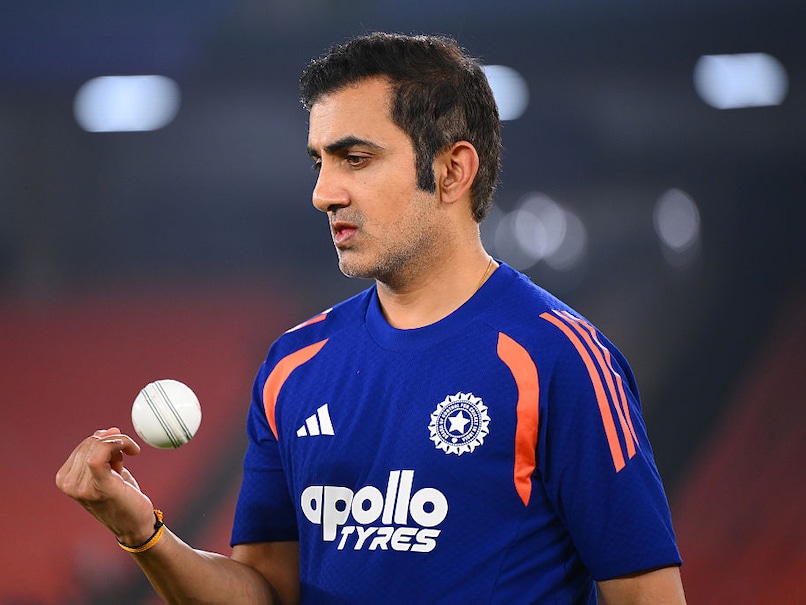
Gautam Gambhir's never been one to mince words, has he? His recent comment about India's T20 World Cup campaign – "Didn't get a lot of dew" – might seem simple, but it's a fascinating window into the nuances of tournament cricket. It's not just about saying India played well; it's about acknowledging the conditions, the luck, and the subtle factors that separate the winners from the also-rans.
India, of course, have been on a roll in this T20 World Cup. Reaching the semifinals with convincing victories over Zimbabwe and the West Indies is no small feat. The batting lineup has looked solid, the bowlers have found their rhythm, and the team seems to be peaking at the right time. But Gambhir's remark forces us to look beyond the obvious. Dew, or the lack thereof, can drastically alter the playing field in a T20 game. It impacts the bowlers' grip, the outfield's pace, and ultimately, the scoring rate. When dew is absent, spinners get more purchase, fast bowlers can grip the ball better for those crucial slower balls, and scoring becomes marginally tougher. India, with its strong spin attack and canny seamers, would undoubtedly benefit from drier conditions.
Here's the thing: Gambhir's comment isn't just about this T20 World Cup. It's about understanding the importance of environmental factors in cricket, something often overlooked in the post-match analysis. Think back to previous tournaments. How many times have we seen a team's fortunes change based on whether they won the toss and bowled first under lights, chasing a target when the dew sets in? It's a game of inches, and sometimes, a game of moisture.
Now, let's be honest, attributing India's success solely to the absence of dew would be unfair. The team has shown incredible skill and resilience. Virat Kohli's masterful innings, Rohit Sharma's aggressive starts, and Jasprit Bumrah's consistent brilliance have all been crucial. But Gambhir's point is valid. It highlights the element of chance and the importance of adapting to the conditions. In a tournament as unpredictable as the T20 World Cup, you need skill, strategy, and a little bit of luck.
What's fascinating is how this seemingly small detail can influence the entire team composition. Knowing that dew might not be a significant factor, India might be tempted to play an extra spinner or a bowler who relies on variations rather than raw pace. It gives them tactical flexibility and allows them to exploit the conditions to their advantage. This is where astute captaincy comes into play. Rohit Sharma's ability to read the pitch and make the right bowling changes will be crucial in the knockout stages.
Looking ahead, the semifinals are going to be a different beast altogether. The pressure will be immense, the stakes will be higher, and the margins for error will be razor-thin. Whether dew plays a role or not, India will need to bring their A-game. They'll need to combine their skill with smart tactics and, yes, maybe a little bit of that Gambhir-mentioned luck, to lift the T20 World Cup trophy. And for fans looking ahead to the IPL 2026 season, keep an eye on how these T20 World Cup performances influence team strategies and player valuations.