Gill's IPL Redemption? Ashwin's Advice Sparks T20 Strike Rate Debate
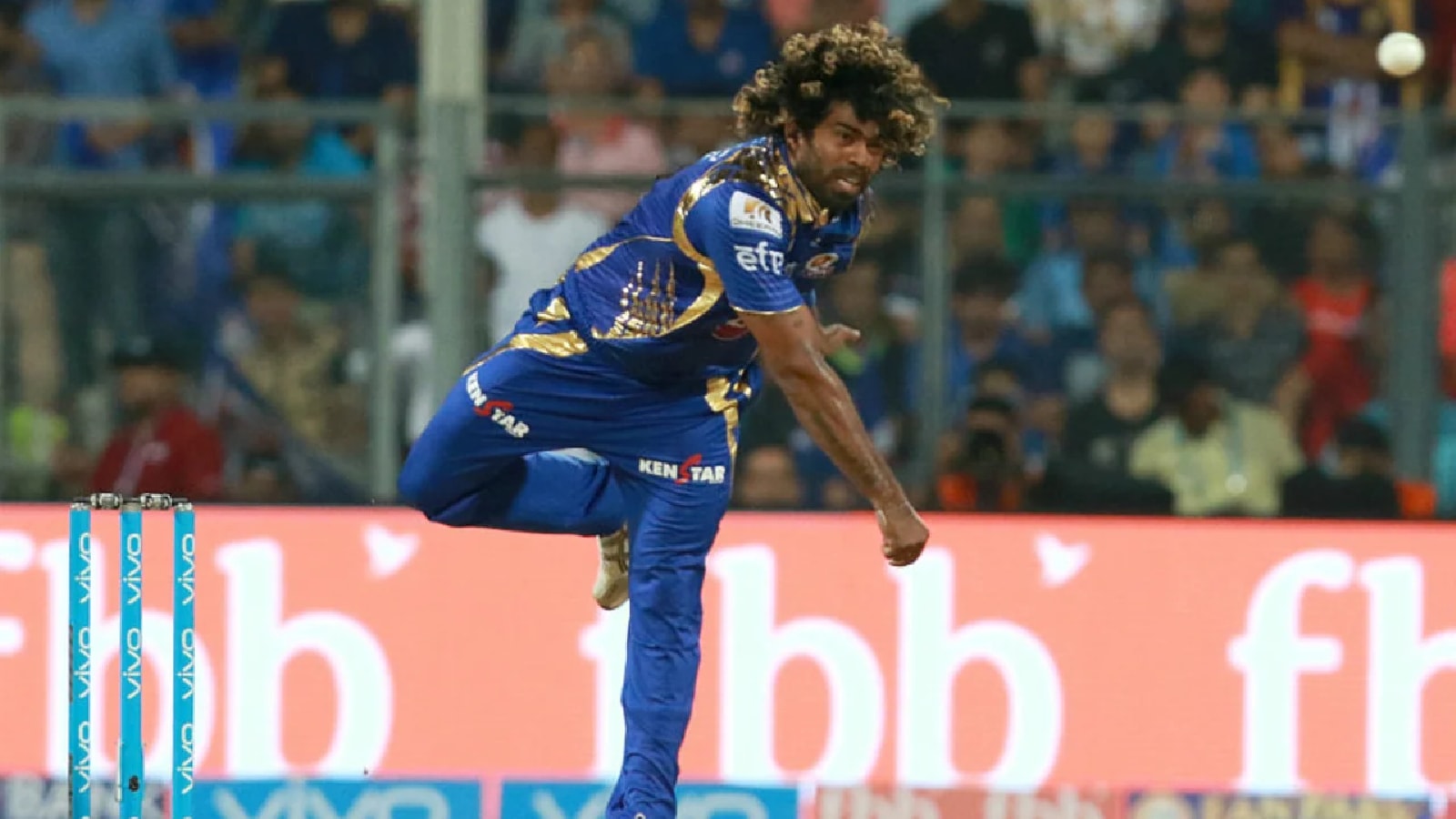
Shubman Gill faces a critical juncture. Dropped from the Indian squad for the upcoming 2026 T20 World Cup, the pressure is on.
Gill, speaking recently, stated he felt he had nothing to prove as he entered the IPL season. That assertion has been met with mixed reactions, especially in light of his omission from the national side. The question remains: can he translate IPL performance into a convincing argument for future selection?
The situation: Shubman Gill, recently excluded from India's 2026 T20 World Cup squad, prepares for the IPL season amidst questions about his form and strike rate. The challenge? To perform consistently and silence critics. The location? IPL venues across India. The timing? Immediately preceding the T20 World Cup.
R Ashwin has weighed in on the debate, adding another layer of complexity. Ashwin advised Gill to prioritize run-scoring over maintaining a high strike rate, particularly at Ahmedabad's Narendra Modi Stadium. "Plunder runs," Ashwin urged on his YouTube channel. The numbers don't lie, but which numbers matter most in T20 cricket? Statistically speaking, the powerplay overs have become increasingly crucial. A fast start often dictates the match's momentum.
But is a relentless pursuit of a high strike rate always the optimal strategy? It's a question that divides analysts and fans alike. Some argue that a measured approach, focused on building a substantial score, is more effective in the long run. Others champion aggressive batting from ball one, aiming to demoralize the opposition and maximize scoring opportunities during field restrictions.
Consider the contrasting approaches. One focuses on accumulation, the other on immediate impact. The data from past T20 tournaments reveals a correlation between strong powerplay performances and overall success. However, it also highlights the importance of adapting to different match situations and opponent strategies. When you look at the data, it's clear that context is key.
The debate extends beyond Shubman Gill. It raises broader questions about the evolving tactics of T20 cricket. The emphasis on power-hitting and high strike rates has transformed the game, placing greater demands on batsmen to score quickly and consistently. The old adage of playing with soft hands seems almost a relic of a bygone era. Instead, we see players increasingly aiming to send it into orbit from the very first ball.
And what of Shivam Dube? Celebrating a T20 World Cup victory is one thing, but handling the aftermath brings its own challenges. Dube spoke of the difficulties he faced returning home with his family after India's hypothetical 2026 T20 World Cup win. The need to avoid recognition added an unexpected element to the celebrations.
The coming IPL season will serve as a vital proving ground. Gill's performance, in particular, will be closely scrutinized. Will he heed Ashwin's advice and focus on accumulating runs? Or will he adopt a more aggressive approach, aiming to silence his critics with a short-pitched barrage of boundaries?
Can Gill rediscover his form? Can he prove his worth to the Indian selectors? Only time will tell. The pressures of T20 cricket are immense. The margin for error is minimal. But the opportunity for redemption is there. For Shubman Gill, and for others seeking to impress, the IPL represents a chance to rewrite the narrative.