'He Himself Doesn't Know What Is Modern Cricket': Ex-Pakistan Captain Slams Coach Mike Hesson
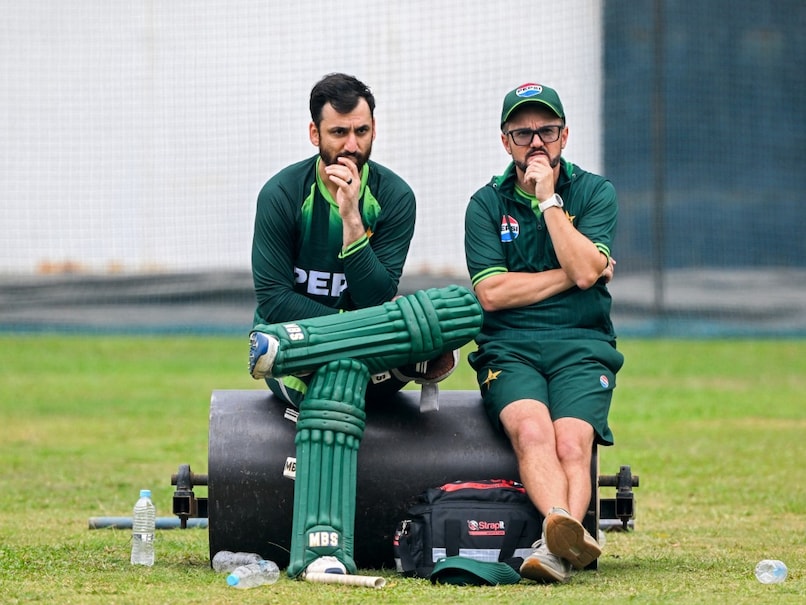
Ouch. Harsh words indeed. "He himself doesn't know what is modern cricket." That's what former Pakistan captain Salman Ali Agha has said about the team's coach, Mike Hesson, and trust me, those comments are going to sting. Especially after Pakistan's rather underwhelming performance in the T20 World Cup.
The Super 8 clash against England on Tuesday was, let's be honest, a bit of a damp squib for Pakistan fans. We've seen flashes of brilliance from this team, haven't we? But that consistency…ah, that elusive consistency. It's been the thorn in Pakistan's side for, well, seemingly forever. This time, it proved costly again, leading to Agha's stinging assessment of Hesson's coaching methods. You can feel the frustration bubbling over, can't you? It wasn't just a defeat; it was a defeat that highlighted deeper issues, or at least, that's how Agha sees it.
Now, here's the thing. Hesson, a respected coach with a decent track record, finds himself in the crosshairs. Is it entirely fair? Maybe not. Coaching in international cricket, especially with a team as passionately followed as Pakistan, is a pressure cooker. But Agha's critique raises a valid question: Is Pakistan keeping pace with the rapid evolution of T20 cricket? Are they adapting quickly enough to the ever-changing strategies and innovations we see in leagues like the IPL?
What's fascinating is the timing of this outburst. The T20 World Cup is a stage where reputations are made and broken. For Pakistan, it feels like a bit of a missed opportunity. They have the talent, no doubt about it. But are they harnessing it effectively? Agha's comments suggest a disconnect between the coach's vision and the demands of modern T20 cricket. He seems to be implying that Hesson's approach is perhaps a bit too…traditional? In a format that rewards aggressive intent and fearless innovation, that could be a fatal flaw.
Think about it. The modern game is all about maximizing those powerplay overs, rotating strike effectively in the middle, and then unleashing the sloggers at the death. It's about having a Plan A, Plan B, and even a Plan C ready to go. Does Pakistan have that? Did they showcase that in the T20 World Cup? The numbers, quite frankly, tell a story of inconsistency and, at times, a lack of clear direction.
This isn’t just about blaming the coach, though. It's about a broader discussion about Pakistan's cricketing philosophy. Are they willing to embrace the risks that come with modern T20 cricket? Are they prepared to back their players to express themselves freely, even if it means the occasional failure? Or are they stuck in a more conservative mindset?
Looking ahead, this situation demands a serious introspection within the Pakistan camp. Whether Hesson remains at the helm or not, the team needs to address the gap between their potential and their performance. The next major tournament, perhaps even whispers of strategy for the distant IPL 2026 already, will be a crucial test of their ability to adapt and evolve. One thing's for sure: the pressure is on.