'I would never want to coach in Pakistan': Former England captain's blunt take
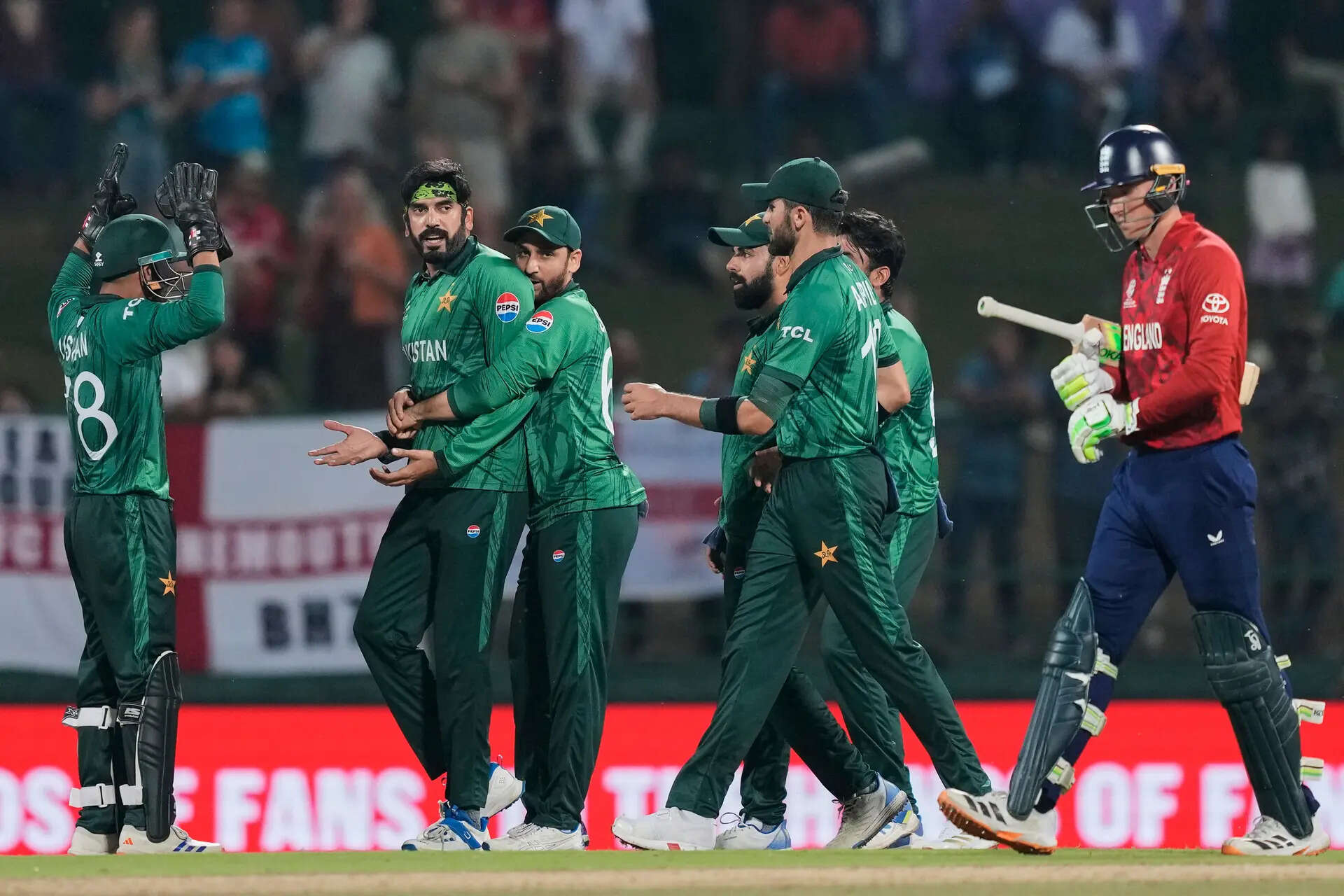
Ouch. Some words cut deeper than a Waqar Younis yorker. And Michael Vaughan, never one to mince words, has delivered a stinging one: "I would never want to coach in Pakistan." Strong stuff, eh?
The former England captain didn't exactly whisper it from the rooftops. Vaughan made the statement during a recent interview, and it's already sent ripples, maybe even small tsunamis, through the cricketing world. He cited the intense scrutiny and pressure as key reasons, suggesting that the environment might be a bit too... shall we say, passionate for his liking. Now, Pakistan cricket isn't exactly known for being a walk in the park, is it? The expectations are sky-high, the fans are incredibly invested, and the media… well, let's just say they don't hold back.
But here's the thing: Vaughan's comments raise a much bigger question. What does it say about the current state of international cricket coaching when a figure like him publicly expresses such reservations? Is the pressure cooker environment becoming too much for even the most seasoned veterans? We've seen coaches come and go in Pakistan, some lasting longer than others, but the turnover rate is definitely something to ponder.
Let's be honest, coaching Pakistan is not for the faint of heart. You're dealing with a nation that breathes cricket, where every single match is dissected and debated ad nauseam. The highs are euphoric, but the lows? The lows can be brutal. Think back to the criticism that followed Pakistan's performance in the T20 World Cup, or even the Asia Cup. Every decision is questioned, every selection scrutinized. It's a relentless cycle.
What's fascinating is that this isn't just about Pakistan, is it? The pressure on international coaches across the board has intensified. The game has become so data-driven, so analyzed, that every move is under the microscope. The rise of social media has only amplified this, giving fans a direct line to voice their opinions – often unfiltered – to the coaches and players themselves.
Now, Vaughan's statement also has implications for potential coaches eyeing roles in the upcoming IPL 2026 season and beyond. Are they factoring in the increasing demands and expectations that come with the job? We're seeing players prioritizing mental well-being more than ever, and maybe coaches are starting to feel the same way. Perhaps Vaughan's comments are a sign of things to come – a shift in how coaches view these high-pressure roles.
The numbers tell a story too. Look at the relatively short tenures of some high-profile coaches in recent years. Are they simply not given enough time, or is the pressure simply too unbearable? It's a complex equation, and there's no easy answer. But one thing is clear: Michael Vaughan's blunt assessment has certainly sparked a much-needed conversation.
So, what's next? Will other coaches echo Vaughan's sentiments? Will cricket boards take steps to alleviate the pressure on their coaching staff? And who will eventually take on the challenge of coaching Pakistan? It's a role that demands not just cricketing expertise, but also immense mental fortitude. Whoever steps up will be walking into the eye of the storm, that's for sure.