ICC monitoring West Asia conflict as airspace closure hits travel plans
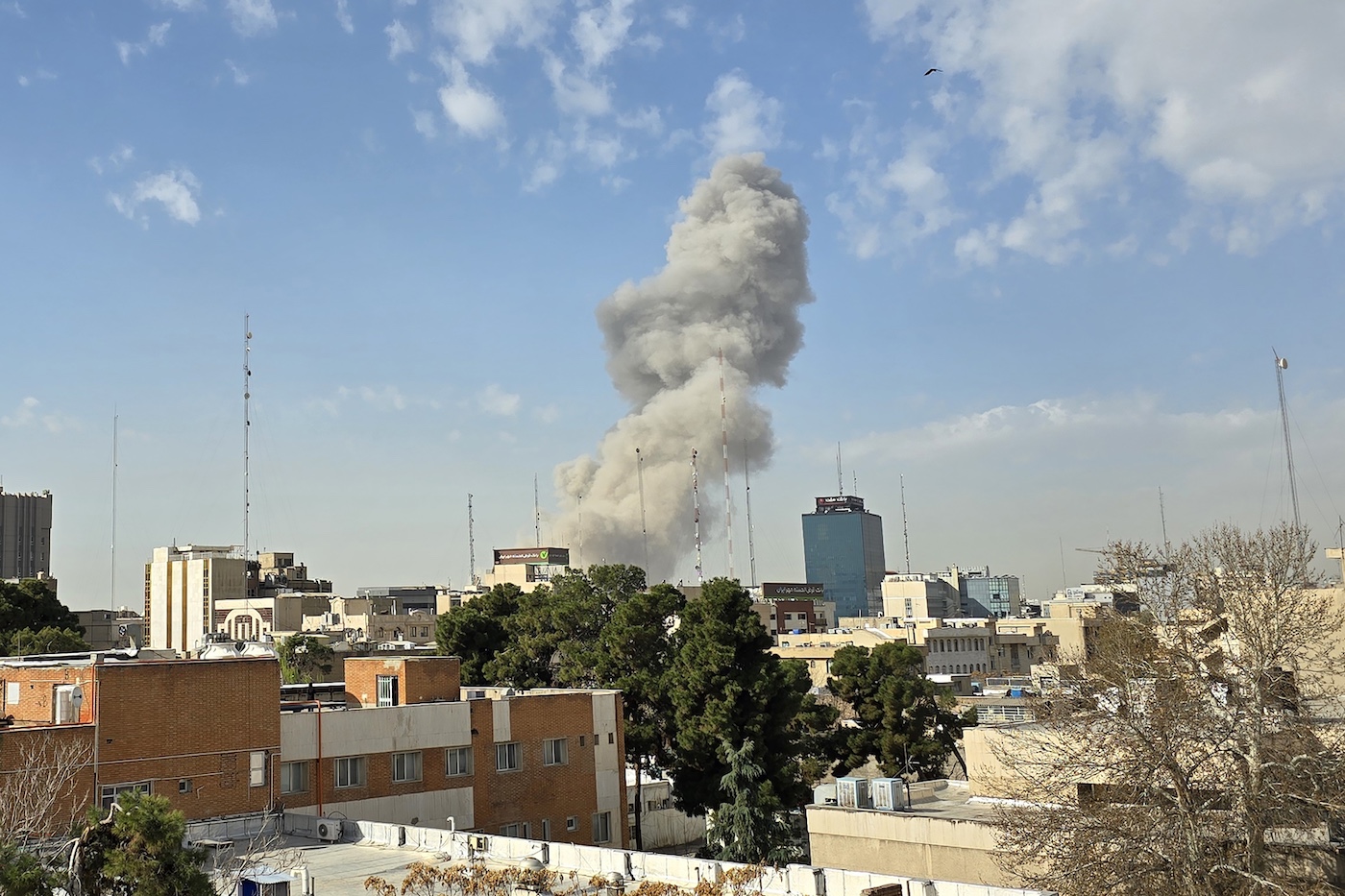
The situation in West Asia is more than just a headline; it's a curveball threatening to disrupt the final act of this thrilling tournament. Airspace closures? That's the last thing anyone involved in international cricket wants to hear when we're talking about getting teams, officials, and fans where they need to be.
Right now, the ICC is doing what any responsible governing body would: dusting off the contingency plans. We're down to the crucial stages, with everything building to the final. Imagine the logistical headache of teams potentially stranded, flights rerouted, and schedules thrown into chaos. It's a real possibility, and it’s not just about inconvenience. The mental and physical toll on players facing long, unpredictable journeys could impact performance on the field. And let’s be honest, nobody wants to see a final decided because one team arrived sleep-deprived and jet-lagged. This could affect the fairness of the competition.
But here's the thing: cricket has always had to deal with the unexpected. Remember the rain-soaked World Cups of the past? Or even further back, think of the political tensions that have sometimes overshadowed series. What’s fascinating is how teams adapt. It's a test of resilience, not just on the field, but off it too. The best-managed teams, with strong support staff, will be at a distinct advantage. They'll have plans B, C, and D ready to roll.
Now, let's dig a bit deeper. What does this airspace disruption really mean? It’s not just about delayed arrivals. Consider the ripple effect. Media coverage could be affected, impacting the reach of the tournament. Sponsorship commitments might be harder to fulfill. The fan experience, both for those traveling and those watching from home, could take a hit. And the biggest concern - player fatigue.
Historically, these kinds of external factors can create massive upsets. A team that thrives under pressure, that can maintain focus despite the distractions, could find themselves with an unexpected advantage. Think of it like this: it’s a mental game as much as a physical one. A calm, collected captain can make all the difference in navigating these turbulent times. We saw glimpses of that during the T20 World Cup, when teams were able to block out the noise and focus on the cricket. The teams still in contention for the trophy will need to channel that same energy.
The numbers tell a story, too. Teams that have invested in strong logistical support, that prioritize player welfare and have contingency plans in place, tend to perform better under pressure. It's not just about hitting sixes and taking wickets; it's about managing the unseen challenges that come with international cricket. The ICC’s proactive approach is key, but ultimately, it will be the teams that adapt best who will succeed. This is especially crucial with the upcoming IPL 2026 season on the horizon. Lessons learned now will be invaluable for future tournaments.
Looking ahead, all eyes will be on how the ICC, the teams, and the travel operators navigate this tricky situation. Will there be further disruptions? Will teams be forced to take circuitous routes? Will we see any matches rescheduled? One thing is certain: the next few days will be a test of adaptability and resilience, both on and off the field. The tournament may be reaching its climax, but the drama is far from over.