ICC T20 World Cup: Chemical imported from USA to be used at Chepauk Stadium to deal with dew
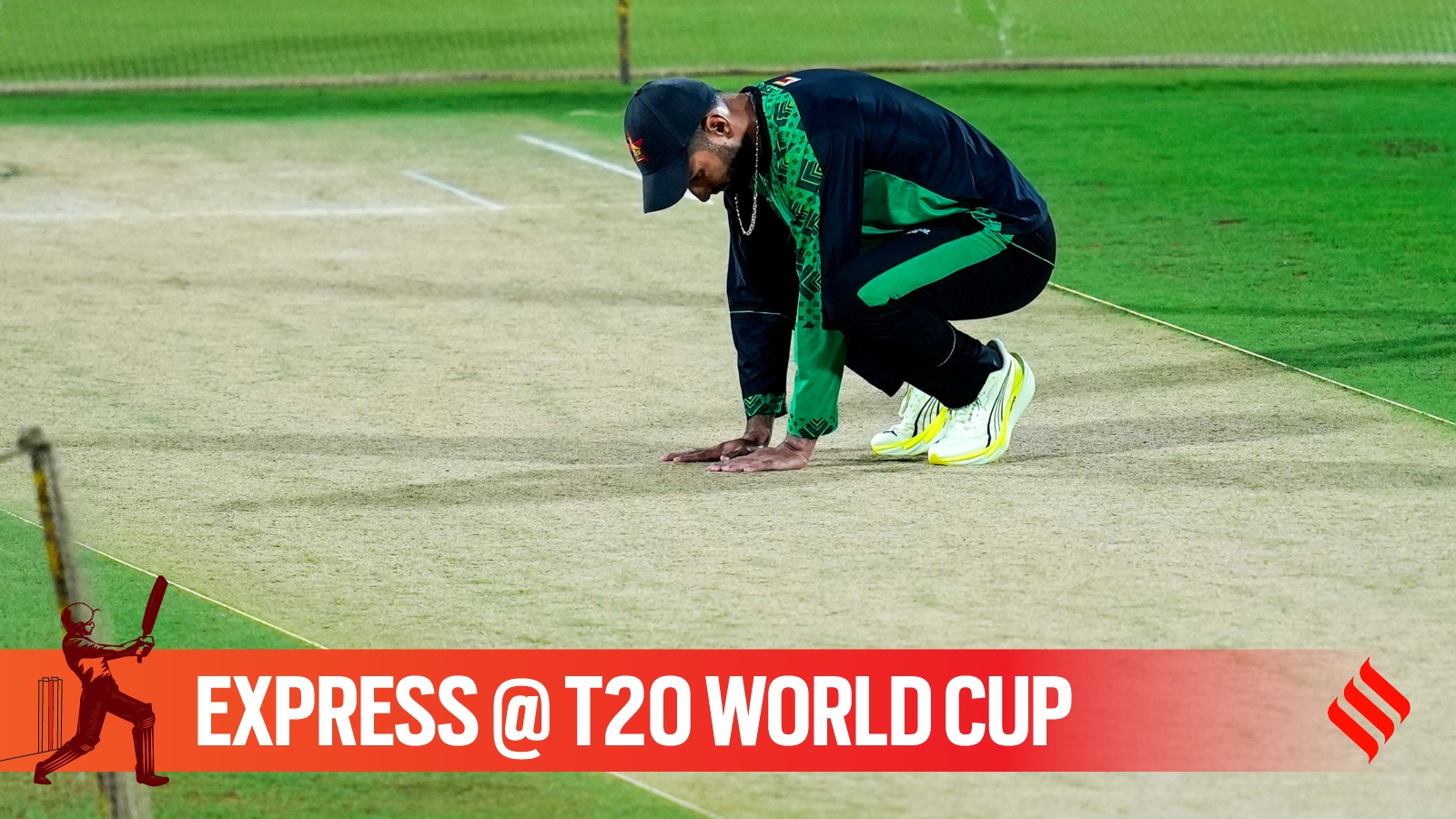
Hold on, did you hear about this? They're importing a chemical all the way from the USA to combat dew at the Chepauk Stadium for the ICC T20 World Cup! I mean, in all my years following cricket, I've seen some things, but this… this is a new level of commitment to a fair game.
The story is that the Tamil Nadu Cricket Association (TNCA) is pulling out all the stops to ensure that dew doesn't play spoilsport during the T20 World Cup matches at Chepauk. We all know how much dew can impact a T20 game, especially in the evening. It makes the ball greasy, hard to grip for the bowlers, and it turns the outfield into a skating rink. It can completely nullify a team's bowling attack, handing a massive advantage to the chasing side. So, the TNCA is experimenting with a special chemical imported from the States, sprayed onto the outfield, designed to minimize dew formation.
Now, here's where it gets interesting. We've seen ground staff try everything – super soppers, rope drags, even helicopters in extreme cases – to deal with dew. But using a chemical? It raises some eyebrows, doesn’t it? What's fascinating is the lengths to which organizers are willing to go to ensure a level playing field. It speaks volumes about the importance of the T20 World Cup and the desire to present the best possible product to fans worldwide.
But let's be honest, there are a few questions that spring to mind. What are the environmental implications? Is it safe for the players? Will it actually work? We've seen these kinds of 'miracle solutions' before, and they don't always live up to the hype. Remember the experiments with special pitches that were supposed to revolutionize Test cricket? They fizzled out pretty quickly.
The other side of this is the inherent advantage it might give to teams playing at Chepauk. Chennai Super Kings, anyone? They know that ground like the back of their hand. If this chemical treatment gives them even a slight edge, it could be a significant factor in the later stages of the IPL 2026 season, and potentially even influence team selections for future tournaments.
Think about it: wrist spinners like Kuldeep Yadav and Yuzvendra Chahal might suddenly become even more valuable if dew is less of a factor. Their ability to grip the ball and generate turn in those crucial middle overs could be a game-changer. Conversely, bowlers who rely on swing and seam movement might find themselves less effective.
What’s more, it shines a light on the growing influence of technology and science in cricket. We're not just talking about DRS and Hawk-Eye anymore. We're talking about actively manipulating the environment to influence the outcome of a match. It's a slippery slope, isn't it? Where do we draw the line?
Looking ahead, all eyes will be on those early T20 World Cup matches at Chepauk. Not just to see who wins, but to see how effective this chemical treatment actually is. Will it be a game-changer, or just another gimmick? And more importantly, will it open the door to even more radical interventions in the future? One thing's for sure: the ICC T20 World Cup promises to be more than just a battle of bat and ball. It's a test of innovation, strategy, and maybe, just maybe, a little bit of chemistry.