ICC T20 World Cup: Zimbabwe coach hopes Chepauk’s bigger boundaries will give them a chance against India
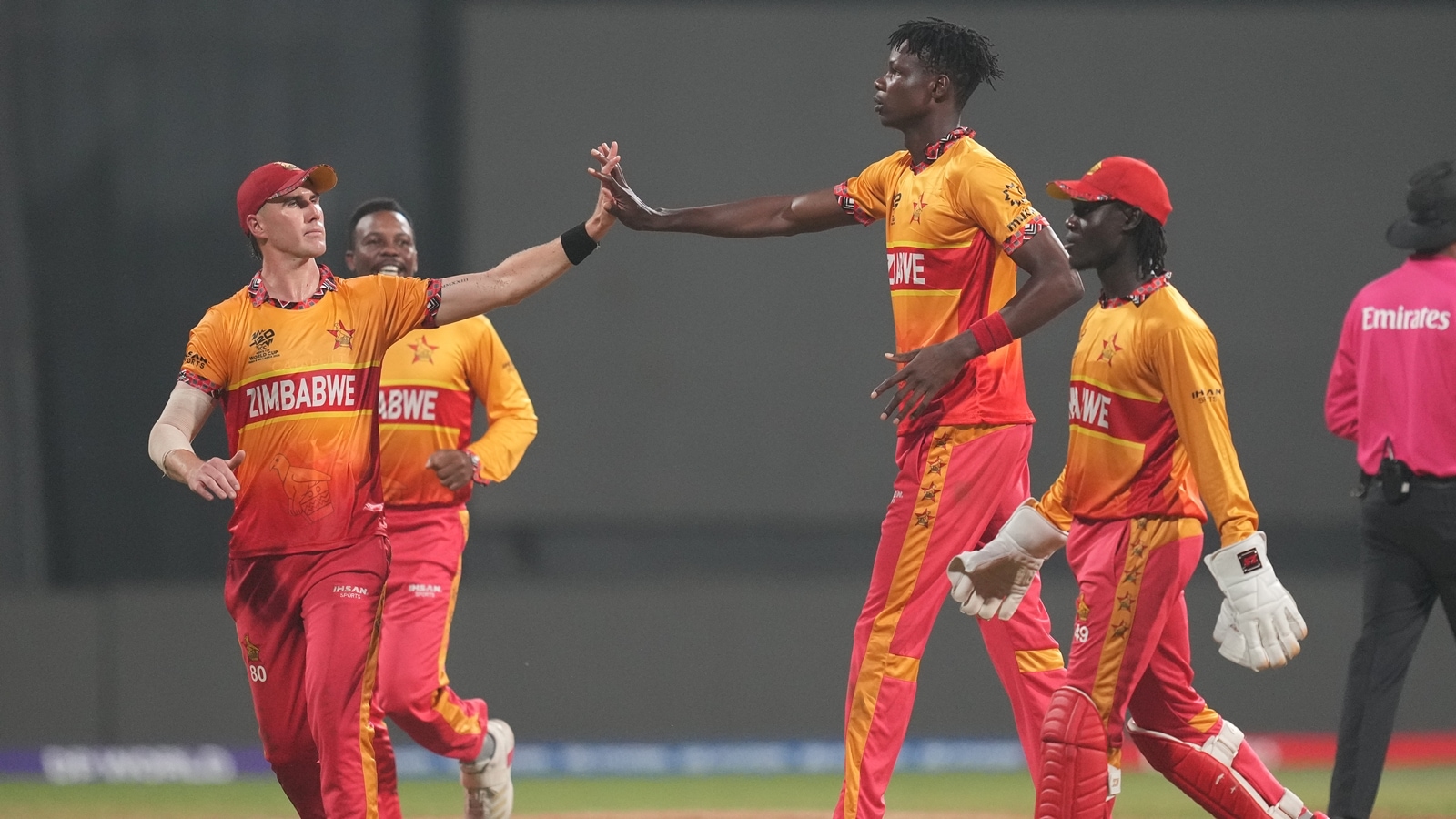
Okay, so Zimbabwe's coach is eyeing Chepauk's boundaries as their secret weapon against India in the T20 World Cup? That's a fascinating angle! It’s like David hoping Goliath trips over his own feet.
Look, Zimbabwe's got a mountain to climb against India. We all know that. The sheer firepower of the Indian batting lineup, the guile of their spinners… it's a daunting prospect for any team, let alone Zimbabwe who are still finding their feet on the global stage. But this is T20 cricket, where upsets happen more often than you can say "six!" And the Zimbabwe coach clearly believes that Chepauk's ground dimensions could level the playing field, just a little. He's hoping the bigger boundaries will make it harder for the likes of Rohit Sharma and Virat Kohli to clear the ropes with ease. It's a smart strategy, acknowledging the gulf in power-hitting and trying to negate it with clever tactics.
Now, here's the thing. While bigger boundaries might curb some of the six-hitting frenzy, it also puts pressure on batsmen to run harder, convert those twos into threes. And that's where India's superior fitness and sharper running between the wickets could really come into play. What’s more, it also favours smart, thinking bowlers who can use the angles and variations to exploit the ground dimensions. Think of someone like a Ravindra Jadeja, who can bowl stump-to-stump, cramping the batsmen for room and forcing them to hit against the spin towards the longer boundaries. That could be gold dust for India.
But let's not write Zimbabwe off completely. They have some talented players in their ranks, guys who can hit a long ball themselves. Sikandar Raza, for instance, is a seasoned campaigner, someone who thrives under pressure. If he gets going, he can change the complexion of the game in a heartbeat. And their bowling attack, while not as star-studded as India's, has its own strengths. They'll need to be disciplined, bowl tight lines and lengths, and make the Indian batsmen work hard for every run. It's about building pressure, creating opportunities, and then pouncing when the moment arrives.
This is where the tactical nous of the two captains will be crucial. Rohit Sharma will need to be proactive, rotating his bowlers effectively and ensuring that his batsmen don't get bogged down. The Zimbabwe captain, on the other hand, will need to be inventive, using his resources wisely and taking calculated risks.
Historically, India have dominated Zimbabwe in T20Is. But past records count for little in the heat of the battle. Zimbabwe need to believe they can win, play with freedom and express themselves. For India, it's about maintaining their composure, sticking to their game plan, and not underestimating their opponents. A professional performance is what's required.
Looking ahead, this match at Chepauk could be a defining moment for both teams in the ICC T20 World Cup. For India, it's a chance to assert their dominance and send a message to the other contenders. For Zimbabwe, it's an opportunity to prove that they belong on the big stage and that they can compete with the best. I'll be watching closely to see if Zimbabwe's boundary strategy pays off, and if India can overcome this potentially tricky hurdle. One thing's for sure: it promises to be a fascinating contest. Let the games begin!