'India never chased 160 in WC without Kohli': Sehwag drops harsh stat
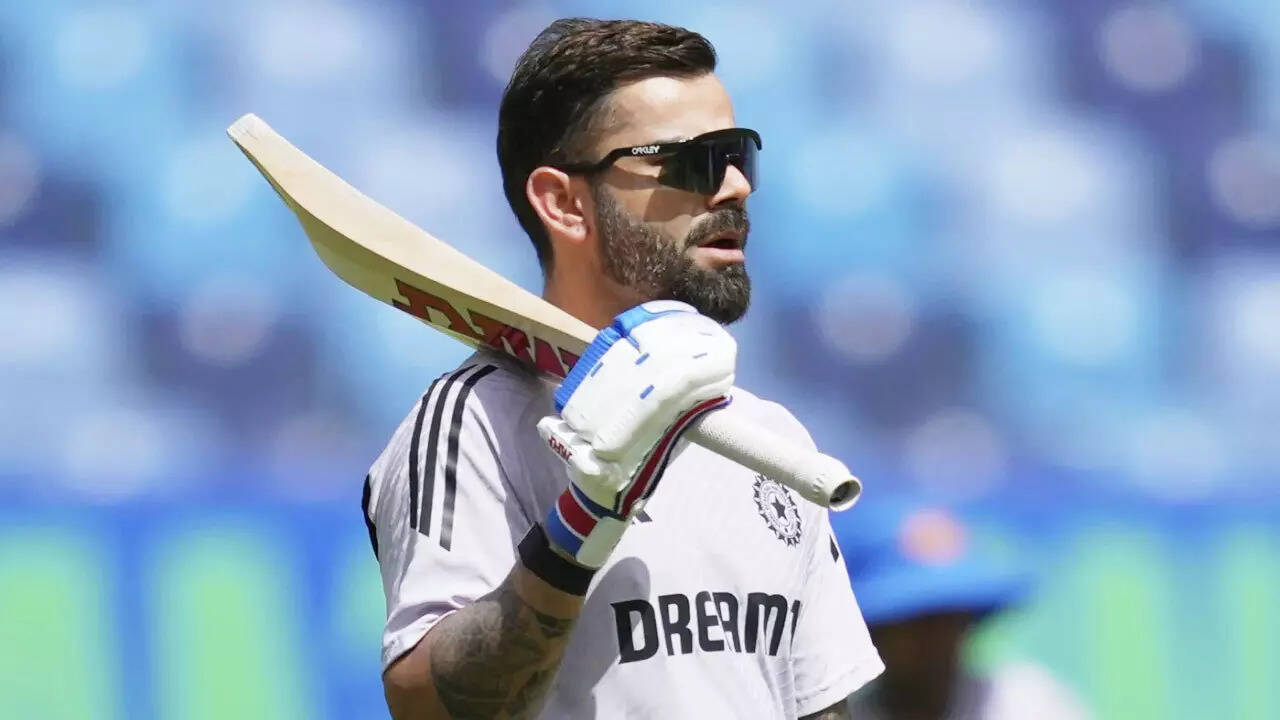
Ouch. That's gotta sting. Virender Sehwag, never one to mince words, has dropped a truth bomb: India has never chased down a 160+ score in a T20 World Cup without Virat Kohli contributing significantly. Let that sink in. It's a stat that highlights India's over-reliance on their modern master, and raises serious questions about their batting depth heading into crucial stages of the tournament.
The context, of course, is the recent stuttering performance against, let's say, a team they should have dominated. Chasing a modest total, the middle order crumbled under pressure, leaving fans biting their nails. We saw tentative footwork, poor shot selection, and a general lack of intent. It wasn't pretty, and it certainly wasn't the dominant India we've come to expect. The top order needs to fire, yes, but the engine room must function when the pressure is on.
Sehwag’s comment isn't just about Kohli's absence in that specific chase; it's a wider commentary on India's batting strategy. For years, the plan has seemed to be: "Get Kohli in, and let him do his thing." And let's be honest, that plan has worked wonders. But what happens when Kohli has an off day, or, heaven forbid, gets injured? Do we have a Plan B? A Plan C? Right now, it feels like the answer is a resounding "no."
Here's the thing: relying on one player, no matter how good, is a recipe for disaster in tournament cricket. What's fascinating is how other teams have evolved. Look at Australia, for example. They have match-winners all the way down their batting order. England, too, boasts incredible depth. India, on the other hand, appears brittle when Kohli doesn't fire. The numbers tell a story, and Sehwag has simply articulated what many fans have been quietly worrying about.
Tactically, what went wrong? Well, the batsmen seemed to lack a clear plan against the slower bowlers. They were neither aggressive enough to put the bowlers under pressure, nor watchful enough to rotate the strike and build partnerships. There was a distinct lack of composure, a sense of panic that spread through the batting order like wildfire. It was almost as if they had forgotten the basic tenets of chasing a total: assess the conditions, identify the key bowlers, and build partnerships.
The bigger picture? This raises serious questions about India's chances in the latter stages of the T20 World Cup. Can they genuinely compete against the likes of Australia, England, and Pakistan if their batting continues to be so reliant on one individual? Will this reliance hurt India’s chances in the upcoming editions too, like the IPL 2026 season? Something needs to change, and quickly. Perhaps a shift in batting order, a more aggressive approach from the middle order, or simply a greater emphasis on mental fortitude.
So, what to watch for next? Keep an eye on how the team responds in their upcoming matches. Will they show the resilience and adaptability needed to overcome this challenge? Or will they continue to rely on Kohli to bail them out? The answers to these questions will determine India's fate in this T20 World Cup, and perhaps even shape their batting strategy for years to come. The pressure is on, and it's time for the other batsmen to step up and show that they can perform under pressure, with or without the great Virat Kohli.