IPL 2026: MCC defends ‘obstructing the field’ call on Angkrish Raghuvanshi
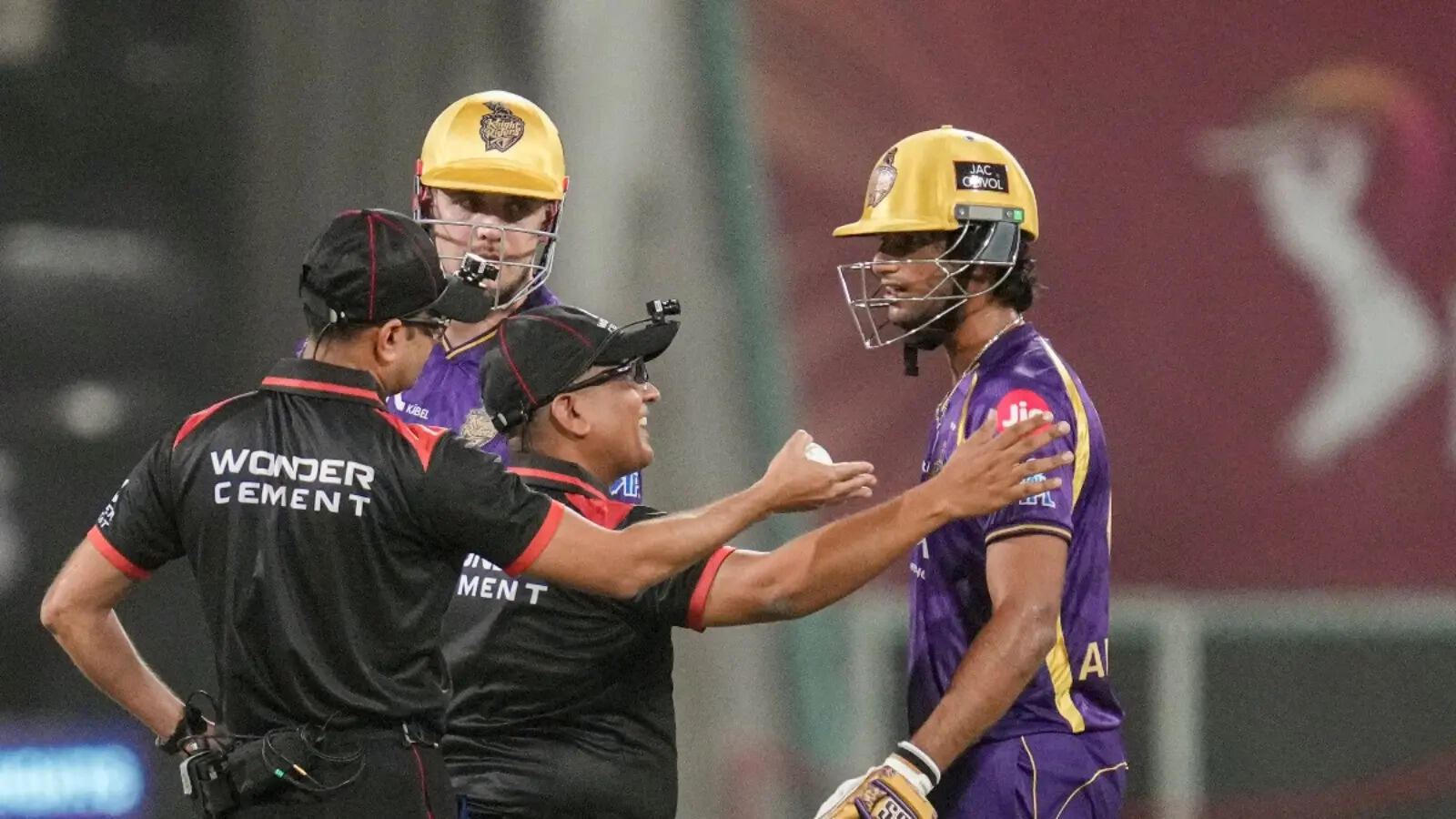
Angkrish Raghuvanshi's dismissal in the IPL 2026 clash between the Mumbai Indians and the Delhi Capitals has set the cat amongst the pigeons! Was it obstructing the field, or just plain bad luck? The Marylebone Cricket Club (MCC) has weighed in, and their defense of the on-field umpire's decision has only added fuel to the fire.
Here's the thing: Raghuvanshi, the young Delhi Capitals prodigy, top-edged a delivery, and in attempting to prevent the ball from hitting the stumps, he appeared to knock it away with his hand. The Mumbai Indians appealed, and after consultation, the third umpire gave him out. Cue uproar! Social media went ballistic, with fans and pundits divided on whether the decision was in the spirit of the game. Some argued that Raghuvanshi was simply reacting instinctively, protecting his wicket. Others felt that the laws are the laws, and he was rightly given out.
The MCC, custodians of the Laws of Cricket, have since released a statement backing the decision. They pointed to the specific wording of Law 37, which deals with obstructing the field, emphasizing that the key element is whether the batter’s action was deliberate. In their view, Raghuvanshi's action, however instinctive, was a clear case of preventing the ball from hitting the stumps with his hand, thus justifying the "out" decision.
But let's be honest, this is where it gets murky. Cricket isn't played in a laboratory. It's a game of split-second decisions, of adrenaline and instinct. Was there intent? That's the million-dollar question, and one that's almost impossible to definitively answer. Raghuvanshi is a young player, making his way in the high-pressure environment of the IPL. To have a dismissal like that hanging over his head… well, it's tough.
What's fascinating is the precedent this sets. We've seen similar incidents in the past, and they've often been met with a degree of leniency, a nod to the unwritten "spirit of cricket." This decision, and the MCC's backing of it, suggests a stricter interpretation of the rules moving forward. Could this lead to more contentious dismissals in the future? Absolutely.
Think about it: in a T20 game, where every run counts, batsmen are constantly improvising, using every part of their body to try and get bat on ball. Are we now going to scrutinize every instinctive reaction with the threat of an obstructing the field dismissal looming? It could stifle creativity and add another layer of complexity to umpiring decisions.
The numbers tell a story, too, albeit an incomplete one. Dismissals for obstructing the field are incredibly rare. That rarity highlights the inherent ambiguity in the law and the reluctance of umpires to enforce it unless the intent is blatant. This Raghuvanshi incident, however, might just change that landscape.
For Angkrish Raghuvanshi, this will be a learning experience, albeit a harsh one. He's a talented player, and this incident shouldn't define his career. He'll need to put it behind him and focus on scoring runs for the Delhi Capitals. As for the Mumbai Indians, they won the match, but this dismissal will continue to be debated long after the match highlights fade away.
Looking ahead, expect more discussion around Law 37. Perhaps the ICC needs to revisit the wording to provide greater clarity and reduce the scope for subjective interpretation. And keep an eye on how umpires handle similar situations in the remainder of IPL 2026. This incident has undoubtedly raised the stakes, and all eyes will be on how the game adapts.