'I've given everything': Tremain calls time on decorated career
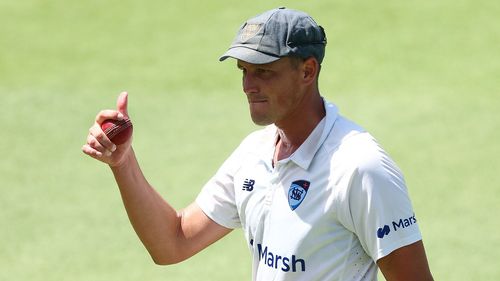
"I've given everything." Trent Copeland's words resonate, don't they? They speak of dedication, of commitment, and ultimately, of a career well-lived. But what does it mean when a stalwart like Copeland hangs up his boots? It's more than just a retirement; it's the closing of a chapter for New South Wales cricket.
Copeland, the veteran paceman, has officially called time on his decorated career. And decorated it certainly was. Four Sheffield Shield titles – that's the kind of legacy most cricketers only dream of. But Copeland's impact went beyond silverware. He was, by all accounts, a highly respected teammate and opponent. In the pressure cooker of professional cricket, that speaks volumes about his character. He wasn't just a bowler; he was a leader, a mentor, a figure of stability in the often-turbulent world of domestic cricket.
What's fascinating is the timing. We are heading into the business end of the season and discussions about the future of Australian cricket are heating up. While Copeland may not have been in the frame for further international honours, his experience would have been invaluable to guide younger players coming through. That's the intangible loss that New South Wales will now have to address. Who steps up to fill that void in the dressing room? Who becomes the sounding board for the next generation of quicks hoping to make their mark in the Sheffield Shield and beyond?
Here's the thing, Copeland wasn't express pace. He didn't rely on raw speed to intimidate batsmen. He was a thinking bowler, a craftsman who understood the nuances of swing and seam movement. He was the kind of bowler who could subtly adjust his length, exploit a weakness in a batsman's technique, and ultimately, outsmart them. In an era dominated by power hitting and aggressive strokeplay, Copeland offered a reminder of the enduring value of skill and guile. Think of Glenn McGrath, or even someone like Vernon Philander – Copeland was in that mould, relying on accuracy and intelligence to take wickets.
And that's precisely why his retirement should make us pause and reflect on the direction of cricket. Are we placing too much emphasis on brute force and neglecting the art of bowling? Are we failing to nurture the next generation of thinking cricketers who can adapt and thrive in different conditions? These are questions that cricket administrators and coaches need to be asking themselves.
The numbers tell a story, of course, but they don't tell the whole story. Copeland's statistics are impressive, no doubt. But they don't capture the impact he had on his teammates, the respect he commanded from his opponents, or the unwavering commitment he showed to New South Wales cricket. He leaves a void that will be difficult to fill, both on and off the field. As the Sheffield Shield season continues, keep an eye on which young bowlers step up and try to emulate Copeland's consistency and leadership. They have some mighty big shoes to fill.