New chief, Tamim Iqbal prioritises BCB's reputation over long-term development: ‘The damage done must be repaired'
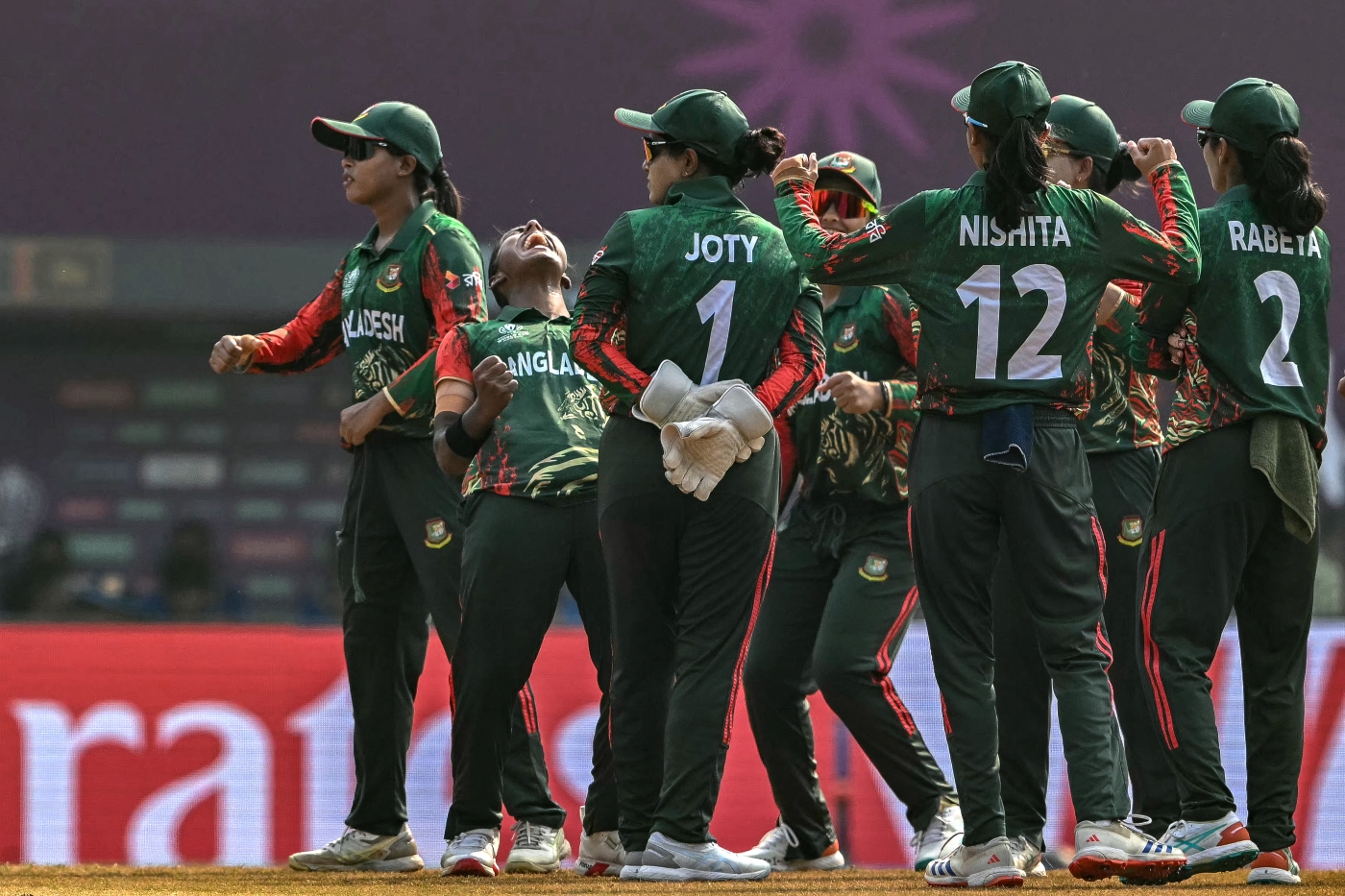
Tamim Iqbal stepping in as interim chief of the Bangladesh Cricket Board (BCB) – now that's a story! But his immediate focus? Not on grooming the next generation, not on revolutionizing the domestic structure, but on something arguably more fundamental: repairing the BCB's reputation. That's a bold move, especially in the high-stakes world of cricket administration.
Let's be honest, the BCB hasn't exactly been making headlines for all the right reasons lately. We've seen controversies, murmurs of discontent, and a general feeling that things haven't been running as smoothly as they should. So, when Tamim says "the damage done must be repaired," you know he's not mincing words. He's acknowledging the elephant in the room, and that takes guts. It's a clear signal that he wants to bring back trust and stability.
But here's the thing: is prioritizing reputation over long-term development the right call? It's a classic "short-term pain for long-term gain" scenario. Tamim seems to believe that a strong foundation of trust and good governance is essential before any real progress can be made on the field. You can have all the academies and coaching programs in the world, but if the administration is perceived as unstable or unreliable, it undermines everything.
What's fascinating is how this contrasts with the usual approach. We often see cricket boards laser-focused on winning, on producing world-class players, sometimes at the expense of ethical practices or sustainable development. Tamim appears to be saying, "Hold on, let's get our house in order first." It's a mature, almost statesman-like approach, and it suggests he's thinking beyond just the next series or the next tournament.
But let's not kid ourselves, this is a HUGE challenge. Reputation, once lost, is incredibly hard to regain. It requires transparency, accountability, and a genuine commitment to ethical conduct at every level of the BCB. Tamim will need to be a strong leader, a clear communicator, and someone who can inspire confidence not only within the board but also among the players, the fans, and the wider cricketing community.
And what about the impact on Bangladesh cricket itself? Will this focus on internal reform delay the emergence of new talent? Will it hinder their preparations for major tournaments like the upcoming Asia Cup or even the long-term goal of consistently competing in the knockout stages of ICC events? These are valid concerns. The fans want to see their team winning, and they want to see young stars rising through the ranks. Tamim needs to strike a delicate balance – repairing the BCB's image while still nurturing the future of Bangladesh cricket. Maybe he should look at what India did after the match-fixing saga, and how Sourav Ganguly took over and rebuilt everything.
Looking ahead, it will be crucial to watch how Tamim navigates these competing priorities. Can he successfully restore the BCB's reputation without sacrificing the long-term development of the game in Bangladesh? Can he bring a new era of transparency and accountability to the board? The answers to these questions will not only shape the future of the BCB but also determine the trajectory of Bangladesh cricket for years to come. And I, for one, will be watching with bated breath.