Not a flash in the pan: India’s loss to South Africa was some time in the making
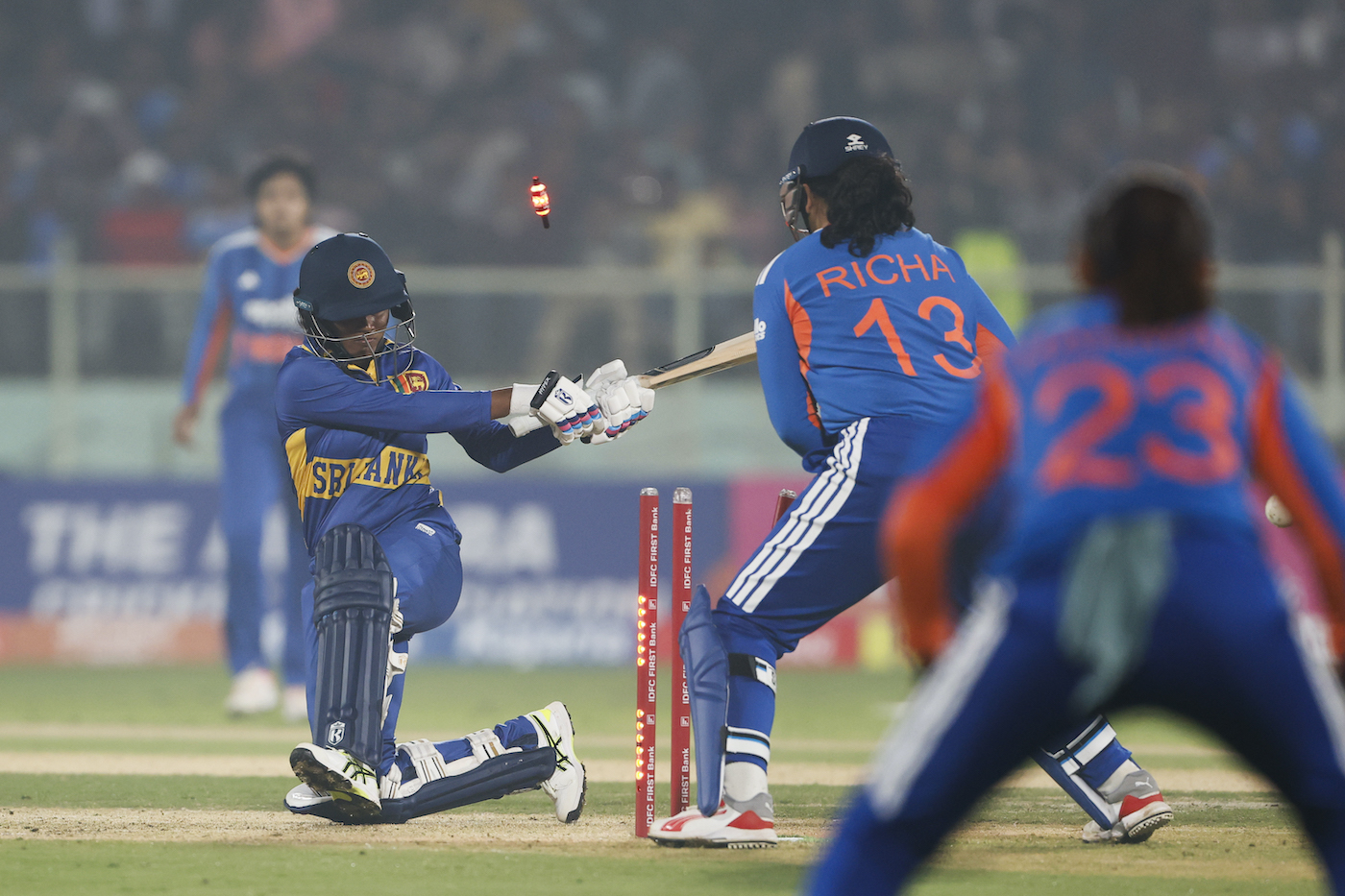
India's 76-run loss to South Africa wasn't just a defeat; it was a demolition. A cricketing earthquake that exposed fault lines we perhaps suspected, but hoped weren't quite so deep. The lights at Ahmedabad didn't just illuminate the stadium; they shone a harsh glare on India's vulnerabilities.
The match itself... well, let's be honest, it was a slow-motion car crash for Indian fans. After a dominant run, the wheels came off spectacularly. South Africa, fueled by Heinrich Klaasen's brutal hitting and Quinton de Kock's classy start, piled on the runs. India, in response, crumbled under pressure. The top order faltered, the middle order offered fleeting resistance, and the tail... well, the tail wagged a little, but it wasn't enough to save the innings from a rather unceremonious end. India's performance in this crucial World Cup 2026 fixture was a stark reminder that no team, no matter how dominant, is invincible.
But here's the thing: this wasn't a sudden implosion. This defeat, in many ways, was a culmination of issues that have been simmering beneath the surface. The over-reliance on a couple of key batsmen, the lack of a genuine all-rounder to balance the side, and the sometimes questionable tactics in pressure situations – these aren't new concerns. They've been masked by individual brilliance and favourable conditions, but against a strong South African side, they were laid bare.
What's fascinating is the contrast between India's overall dominance in the tournament and this specific performance. It highlights the importance of adaptability. India, for all their talent, seemed to lack a Plan B when their initial strategies were countered. South Africa, on the other hand, adjusted brilliantly to the conditions and exploited India's weaknesses with ruthless efficiency. Klaasen's innings, in particular, was a masterclass in power-hitting and game awareness. He didn't just tonk the ball; he picked his bowlers, assessed the field, and played with calculated aggression. It was the kind of innings that can deflate an opposition and swing the momentum decisively.
The numbers tell a story, too. Look at the strike rates during the middle overs, both with the bat and the ball. South Africa accelerated, while India stagnated. That period was where the game was truly lost. And what about the extras conceded? Those little gifts can add up, especially in a high-pressure match. They reflect a lack of discipline and composure, which are often signs of underlying nerves.
Where does this leave India? Well, one defeat doesn't define a team. But it does serve as a wake-up call. It's a reminder that in a tournament like the World Cup 2026, complacency can be fatal. The team needs to regroup, reassess their strategies, and address the vulnerabilities that were exposed in Ahmedabad. They need to find a way to handle pressure better, to develop more flexible game plans, and to ensure that everyone in the squad is ready to contribute when called upon. The upcoming matches will be crucial in determining whether this loss was just a blip or a sign of deeper problems. The spotlight will be on how the likes of Rohit Sharma and Virat Kohli respond, and whether the team can rediscover the winning momentum that carried them through the earlier stages of the tournament. Can they learn from this experience and emerge stronger? That's the question on every Indian fan's mind. And frankly, mine too.