'Pakistan coach speaks about modern cricket… does he even know its definition?’: Salman Butt on Mike Hesson
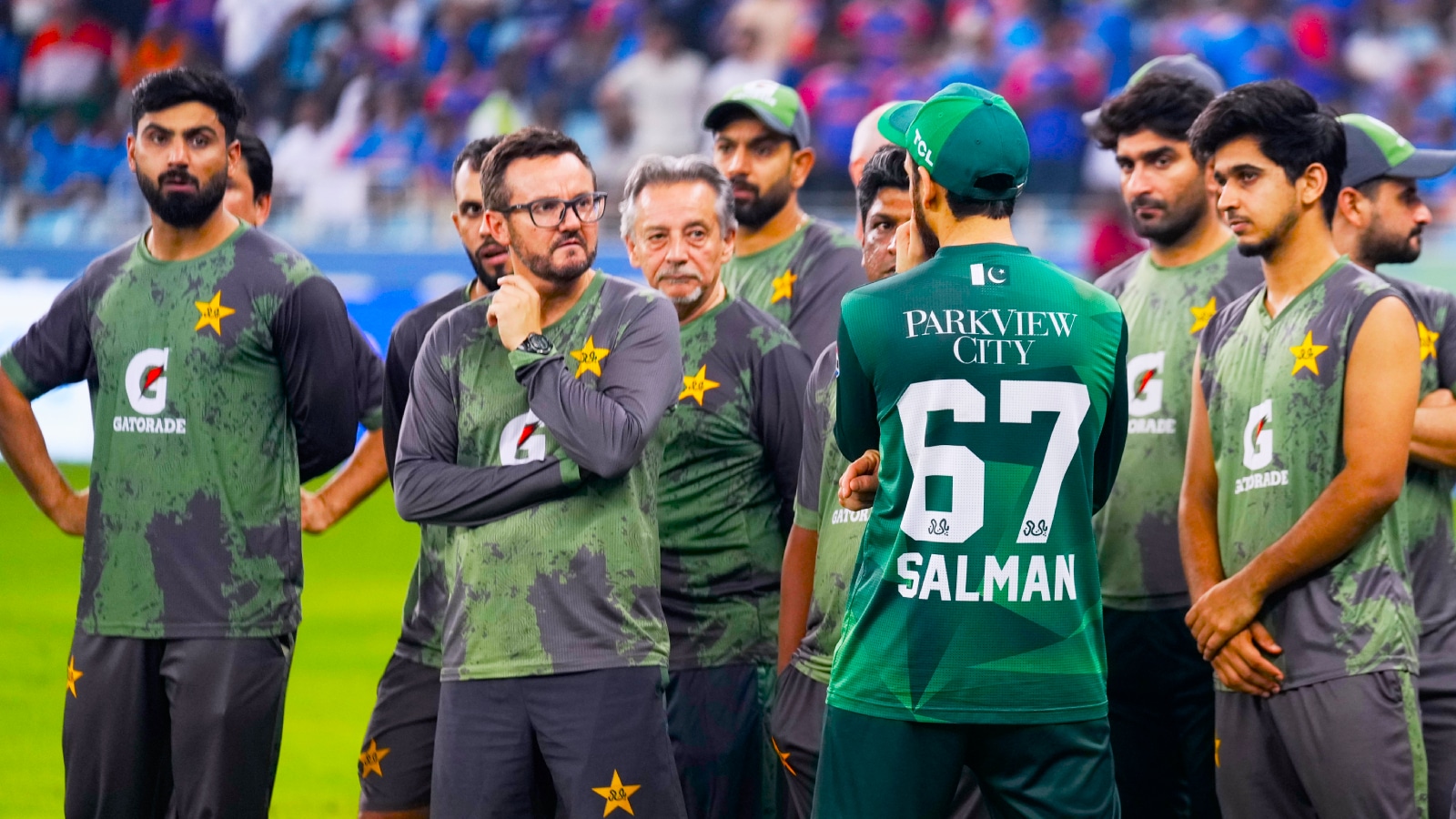
Mike Hesson's recent comments have stirred up a hornet's nest, haven't they? Salman Butt hasn’t held back, questioning whether the Pakistan coach truly understands the modern game. It's a bold claim, but it cuts to the heart of a debate raging in cricket circles: are coaches keeping pace with the relentless evolution of the sport?
The context here is crucial. Pakistan, despite flashes of brilliance, haven’t consistently performed to their potential on the global stage. Recent performances in big tournaments like the T20 World Cup have been patchy. The pressure is immense, and naturally, the coaching staff comes under scrutiny. Hesson, with his experience in various T20 leagues and international setups, was brought in to inject fresh ideas and tactical nous. But is it working? Butt's comments suggest a disconnect, perhaps a difference in philosophy about how the game should be approached in this era of aggressive batting and innovative bowling.
What's fascinating is Butt's directness. He's not just vaguely hinting at shortcomings; he's questioning Hesson's fundamental understanding of the modern game. This isn't simply about strategy; it's about adaptability, about understanding the mindset of today's cricketers, and about creating an environment where players can express themselves fearlessly. Are Pakistan's players being given that freedom? Are they encouraged to embrace the high-risk, high-reward approach that defines modern T20 cricket, or are they being held back by more conservative tactics? This is the crux of Butt's argument, and it's a question worth pondering.
Let's be honest, modern cricket is a beast of its own. It's not just about textbook technique anymore. It's about power-hitting, unconventional shots, and the ability to adapt to rapidly changing match situations. Think of players like Suryakumar Yadav, redefining what's possible with the bat. Are coaches encouraging this kind of innovation, or are they stuck in outdated paradigms? Hesson's philosophy needs to align with the strengths of the Pakistan team. They have incredible talent, particularly in their batting lineup, but that talent needs to be unleashed.
The numbers tell a story, too. Pakistan’s scoring rates in the powerplay, their ability to close out games, their adaptability to different conditions – these are all metrics that reflect the effectiveness of the coaching setup. If these numbers aren't improving, then questions need to be asked. What's the plan for the upcoming Champions Trophy? Can Pakistan find a way to peak in the crucial moments? The pressure is mounting, and Hesson needs to demonstrate that he has the answers.
Butt's critique also raises a broader point about the role of coaches in the modern game. Are they facilitators, empowering players to make their own decisions, or are they rigid strategists, dictating every move? The best coaches, like Brendon McCullum, understand that the game is constantly evolving and that they need to empower players to think for themselves.
Looking ahead, it will be interesting to see how Hesson responds to this criticism. Will he double down on his approach, or will he adapt and embrace a more modern style of coaching? The performance of the Pakistan team in the upcoming series will be a crucial indicator. All eyes will be on how Pakistan approaches the powerplay, how they handle pressure situations, and whether they can consistently deliver match-winning performances. The spotlight is on Mike Hesson, and he needs to prove that he understands the modern game as well as anyone. The future of Pakistan cricket, at least in the short term, may well depend on it.