Pakistan spinners face their worst nightmare: Hardik Pandya
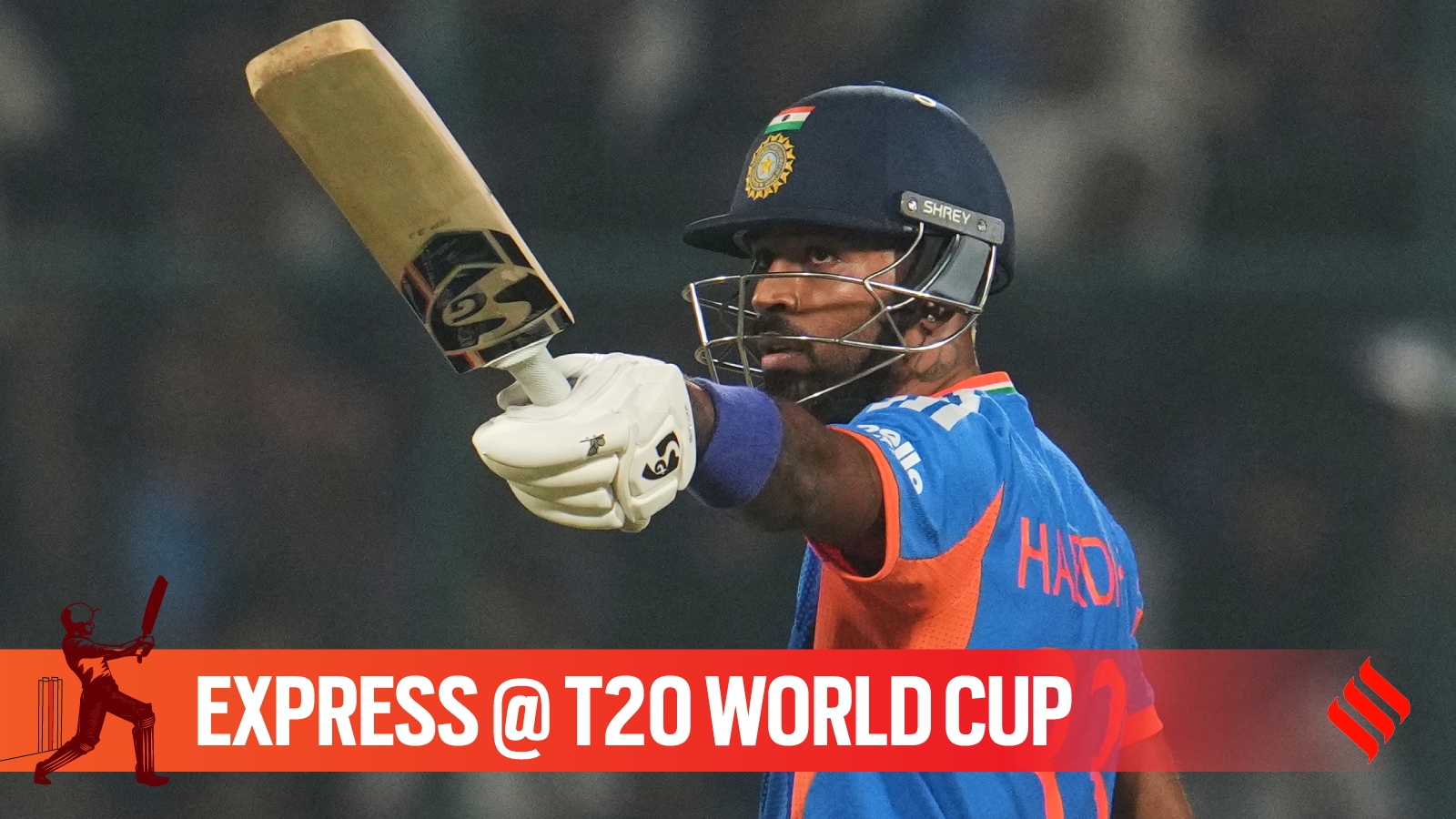
Hardik Pandya. The name alone sends shivers down the spines of opposition bowlers, doesn't it? But for Pakistan's spinners, it's not just shivers – it's a full-blown nightmare unfolding right before their eyes.
Let's be honest, the recent encounters haven't been pretty for Pakistan when facing a Hardik Pandya in full flow. We saw glimpses of it in the Asia Cup, and the T20 World Cup served as a brutal reminder. When Pandya gets going, he doesn't just score runs; he dismantles bowling attacks, especially those relying on spin. He seems to have that extra second to pick the length, the turn, and then… BANG! He deposits them into the stands.
What's fascinating is Pandya's approach. He doesn't just blindly swing. He assesses, he calculates, and then he explodes. He uses his feet beautifully, disrupting the bowler's rhythm and forcing them to second-guess their plans. He can muscle it over long-on, or delicately guide it past short third man. It's this versatility that makes him such a dangerous proposition, particularly against spinners who thrive on consistency and predictability.
The numbers tell a story, and in this case, they scream dominance. Pandya's strike rate against spin in crucial situations is phenomenal. He doesn't just survive; he thrives under pressure, turning the screws on the opposition when they need it least. It's not just about hitting sixes; it's about the psychological impact he has on the game.
Now, what does this mean for Pakistan's strategy going forward? They've traditionally relied on their spinners to control the middle overs, stifle the run flow, and pick up crucial wickets. But against Pandya, that plan seems to fall apart. They need to find a way to adapt, to innovate, and to find bowlers who can trouble him with pace variations, subtle changes of length, or perhaps even a well-disguised bouncer. Easier said than done, of course.
Think back to some of the great Indian batsmen against quality spin. Players like Sachin Tendulkar and Mohammad Azharuddin were masters at using their feet, manipulating the field, and putting pressure back on the bowlers. Pandya seems to have taken a leaf out of their book, adding his own brand of power and aggression to the mix. He has that rare ability to switch gears effortlessly, going from watchful defence to explosive attack in the blink of an eye.
Looking ahead, especially with events like the upcoming Champions Trophy and the future cycles of the Asia Cup, Pakistan needs to find an answer to this Pandya conundrum. Perhaps it involves developing a wrist-spinner with a different trajectory, or maybe it requires a change in tactics, such as using their pacers more aggressively in the middle overs to set him up. Maybe, they need to look at grooming a bowler who can bowl stump-to-stump, cramping Pandya for room. Whatever the solution, they need to find it quickly, or they risk being consistently outgunned by this powerful Indian all-rounder. The future of these high-octane clashes might depend on it.