Pakistan Star Alleges Gautam Gambhir Of Doing Politics In Indian Team During T20 World Cup, Gets Brutally Criticised
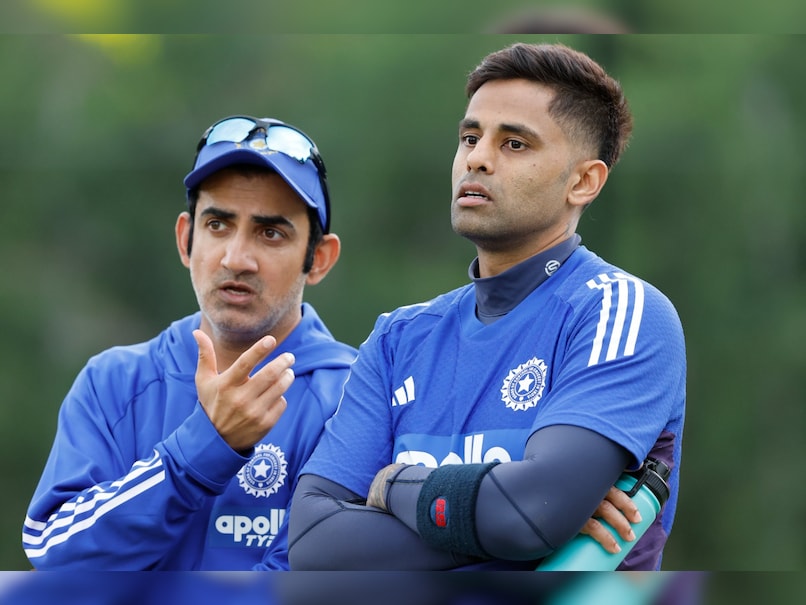
Ahmed Shehzad has never been one to shy away from a headline, has he? But his latest claim, alleging Gautam Gambhir engaged in team politics during the T20 World Cup, has landed like a top-edged hook shot – more embarrassing than effective. The Pakistani batsman, currently out of favour with the PCB, threw this grenade into the already fiery India-Pakistan rivalry, and social media, predictably, erupted.
The allegation itself is vague. Shehzad implied that Gambhir, a veteran of Indian cricket and now a Member of Parliament, was somehow stirring the pot within the Indian dressing room during the recent T20 World Cup campaign. He didn't offer specifics, just innuendo, and in the echo chamber of online cricket fandom, that's often enough to ignite a firestorm. The response was swift and, let's be honest, largely dismissive. Fans and pundits alike have come down hard on Shehzad, accusing him of seeking attention rather than offering any genuine insight.
But here's the thing: even if Shehzad's specific claim lacks substance, it does open up a broader conversation about team dynamics and the influence of senior players, particularly those transitioning into roles beyond the field. Gambhir, a two-time World Cup winner, is a respected figure, and his opinions carry weight. Was he simply offering guidance, or was there something more to it? That's the question Shehzad's comment, however clumsily, has raised.
What’s fascinating is how easily these kinds of allegations gain traction, especially when they involve India and Pakistan. The history, the rivalry, the sheer passion of the fans – it all creates a fertile ground for speculation and conspiracy theories. Every dropped catch, every batting collapse, every strategic decision is dissected and analyzed, often through the prism of national pride and, unfortunately, sometimes through the lens of suspicion.
Now, let's be clear: there's no concrete evidence to support Shehzad's claim. But let’s consider the context. The pressure on the Indian team at any major tournament, especially a T20 World Cup, is immense. Expectations are sky-high, and the scrutiny is relentless. In such an environment, even minor disagreements or differences in opinion can be amplified and misinterpreted. And when you have strong personalities like Gambhir, known for his forthright views, the potential for friction, however unintentional, always exists.
The numbers tell a story too. India's performance in the Super 8 stage of the T20 World Cup was patchy at best. They had moments of brilliance, sure, but also periods of vulnerability. Could internal dynamics have played a role? It's impossible to say for sure, but it's a question worth pondering.
Looking ahead, this incident serves as a reminder of the importance of unity and clear communication within a team. As India sets its sights on future tournaments, including the upcoming Champions Trophy and, further down the line, the next T20 World Cup, managing personalities and fostering a cohesive environment will be crucial. And for Ahmed Shehzad? He needs to let his bat do the talking if he wants to silence his critics and regain his place in the Pakistan squad. Otherwise, he risks being remembered more for his off-field pronouncements than his on-field performances. And in the unforgiving world of cricket, that's a legacy no player wants.