Pakistan's T20 World Cup Semi-final Qualification Scenario As England Face New Zealand In Super 8 Clash
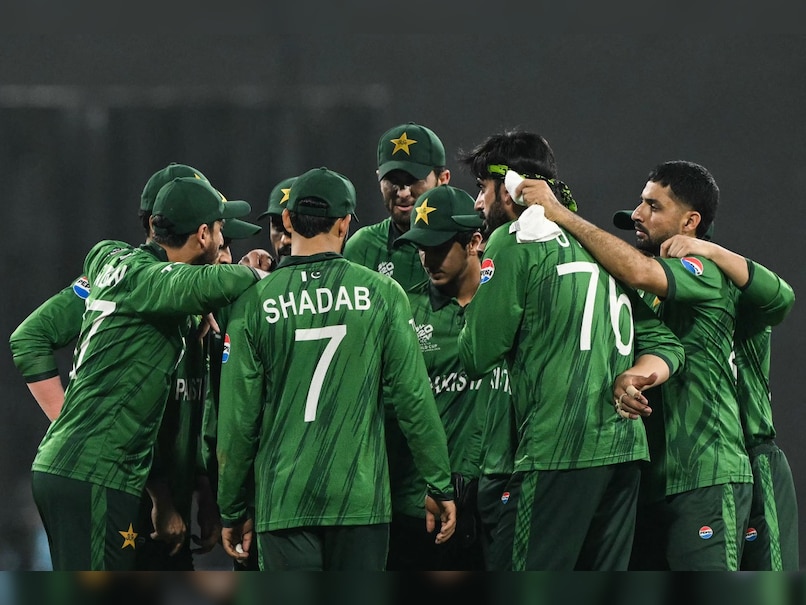
Pakistan's fate hangs by a thread, thinner than a tail-ender's bat handle. Here's the thing: their hopes of reaching the T20 World Cup semi-finals rest not on their own shoulders, but on the outcome of the England vs. New Zealand Super 8 clash. Talk about being in a precarious position!
The equation is simple, yet agonizingly complex for Pakistani fans. If England defeats New Zealand, Pakistan's chances effectively evaporate. Their earlier loss to the USA and that nail-biting defeat against India in New York have come back to haunt them. Every dropped catch, every mistimed shot is now magnified under the harsh light of this do-or-die situation. What's fascinating is how quickly fortunes can change in T20 cricket. One minute you're a contender, the next you're relying on the kindness of strangers – in this case, the English cricket team.
Now, let's be honest, Pakistan haven't exactly set the T20 World Cup 2026 stage on fire. Their batting has been inconsistent, their bowling, while occasionally brilliant, has lacked the killer punch we've come to expect. Babar Azam, shouldering the hopes of a nation, hasn't quite found his rhythm at the top. The middle order has been a revolving door of experiments, and the fielding... well, let's just say it hasn't been their strongest suit. But cricket is a game of glorious uncertainties, isn't it? And hope, however faint, still flickers.
So, what does this all mean? For Pakistan, it's a harsh lesson in the unforgiving nature of tournament cricket. You can't afford slip-ups, especially against lower-ranked teams. That defeat against the USA will sting for a long time. It also puts immense pressure on Babar Azam and the team management. Questions will be asked, changes will be demanded. This T20 World Cup 2026 campaign, regardless of what happens with the England-New Zealand game, will be dissected and analyzed for months to come.
From a tactical perspective, Pakistan's struggles highlight the importance of adaptability in T20 cricket. The conditions in the West Indies and the USA have been varied, and the teams that have thrived are the ones that have been able to adjust their game plans accordingly. Pakistan, unfortunately, seem to have been stuck in a rigid approach, and it has cost them dearly. Their over-reliance on a few key players has also been exposed. When Babar and Rizwan fail to fire, the team often struggles to find alternative sources of runs.
Looking at the bigger picture, this tournament could be a turning point for Pakistan cricket. It's a chance to reassess their strategies, identify young talent, and build a team that is capable of competing consistently at the highest level. The talent is there, no doubt about it. But they need to find a way to unlock it, to create a winning culture, and to develop a team that is not afraid to take risks. The numbers tell a story, and right now, that story isn't pretty.
What to watch for next? All eyes will be glued to the England vs. New Zealand match highlights. Pakistani fans will be nervously biting their nails, hoping for a miracle. But beyond that, it's time for some serious soul-searching within the Pakistan cricket setup. The T20 World Cup 2026 may be slipping away, but the future is still unwritten. They need to use this experience as a catalyst for change, to come back stronger and more determined than ever before.