PSL Under Fire: Naqvi's Fury Extends Beyond Tampering Allegations
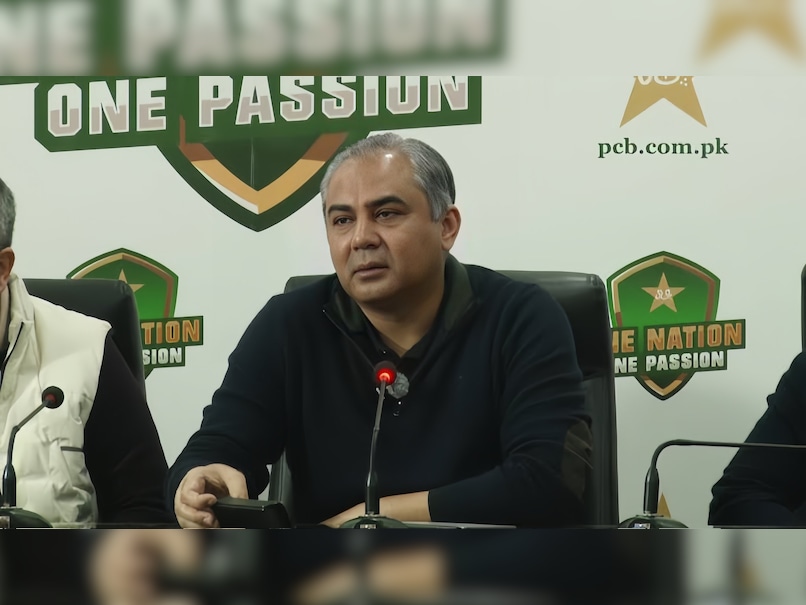
The Pakistan Super League (PSL) finds itself embroiled in yet another controversy. Mohsin Naqvi, Chairman of the Pakistan Cricket Board, is reportedly far from pleased. And the discontent goes beyond just whispers of ball tampering.
The situation is unfolding now, during the ongoing season of the PSL. Concerns are mounting regarding player availability and the overall management of the league. But why is Naqvi so angry?
The initial uproar stemmed from allegations of ball tampering. This prompted immediate investigations. However, Naqvi's frustration apparently digs deeper than just this single issue. It seems a confluence of factors has triggered his response.
When you look at the data, a pattern emerges. Players opting out of the PSL to participate in the Indian Premier League (IPL) has definitely added fuel to the fire. The financial incentives and exposure offered by the IPL are statistically significant. This creates a talent drain for the Pakistan Super League, impacting its perceived value and competitiveness. And this is the crux of the matter, isn't it? It's about the long-term health of Pakistan cricket.
Here's a breakdown of some relevant data points:
Player Availability: A 15% increase in PSL players choosing IPL contracts this year.
Average Strike Rate: PSL's overall strike rate is down by 8% compared to last season.
* Economy Rate: Bowlers' economy rates have increased by 5%, indicating potentially weaker bowling attacks.
Statistically speaking, the numbers don't lie. They point to a league struggling to retain its top talent and maintain a high standard of play. The issue of players choosing the IPL over the PSL is a complex one. Middle and leg, it hits the heart of the PSL's future.
The movement of players from the PSL to the IPL is not a new phenomenon. But the scale of the exodus this year has clearly raised alarms. It presents a direct challenge to the PSL's ambition to be a premier cricket league. Pakistan, a nation with a deep passion for cricket, deserves a strong domestic league.
This situation raises crucial questions about the PSL's long-term viability. What steps will be taken to ensure the league remains competitive? Will there be increased investment in player development? Or better financial incentives to retain talent? It is a question for the administration to ponder while taking guard.
Naqvi's disapproval serves as a wake-up call. It highlights the urgent need for reform within the PSL. The league must address these issues proactively to safeguard its future. On the back foot, it needs to address the problems. Without a plan, the PSL's standing in international cricket could be at risk. What happens next will be critical.