Ranji Trophy final explained: Who wins if the match ends in a draw?
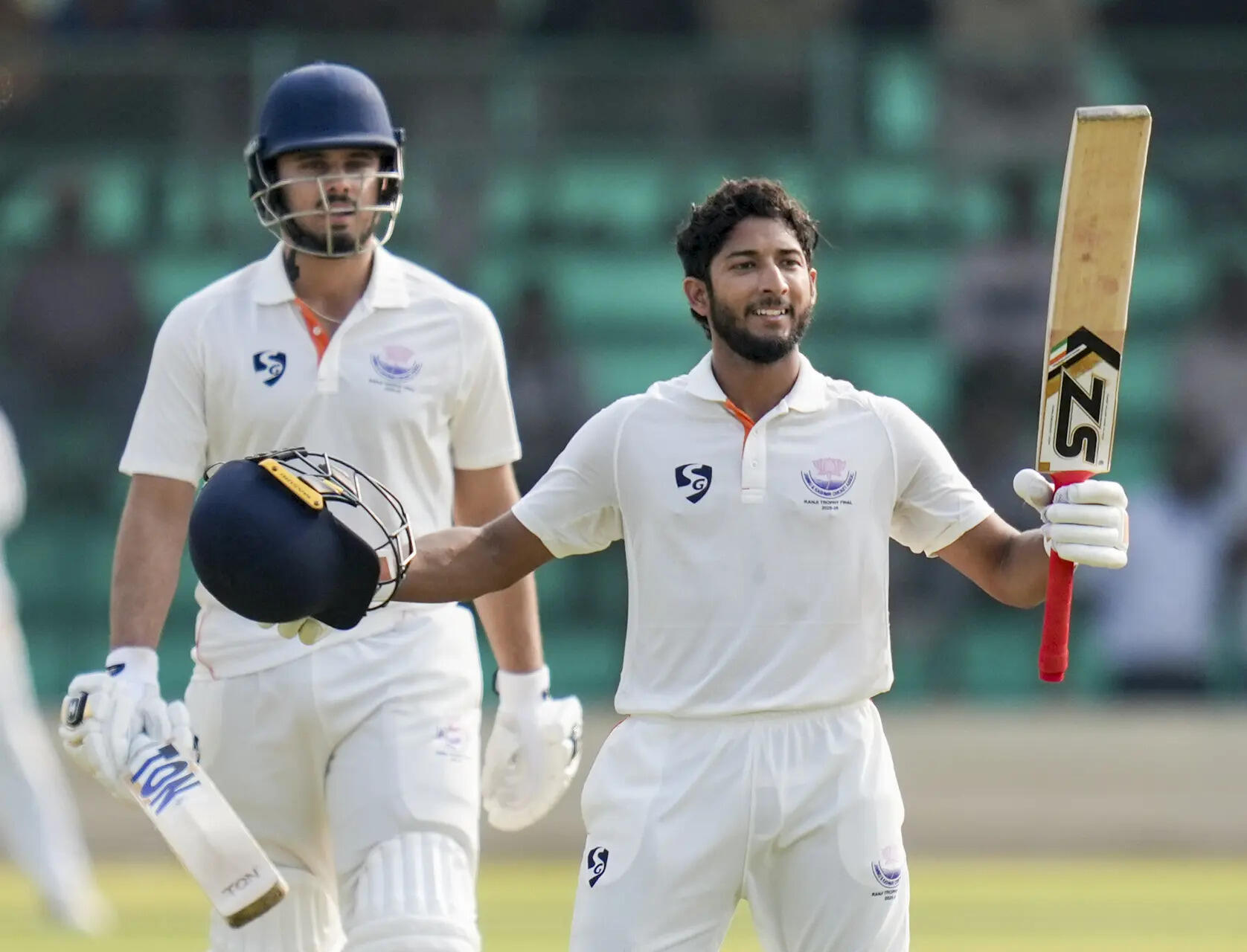
The Ranji Trophy final. The pinnacle of Indian domestic cricket. But what happens if, after all the blood, sweat, and toil, it ends in a draw? Here's the thing: unlike some other formats, a draw doesn't mean shared glory. There's a winner, and the rulebook decides who that is.
In the Ranji Trophy, if the final culminates in a stalemate, the team that takes the first-innings lead walks away with the coveted trophy. Simple, right? It puts immense pressure on that first innings, turning every session into a high-stakes battle for supremacy. We've seen nail-biting finishes decided by a single run, a dropped catch, or a moment of brilliance with the ball, all because of this very rule. It adds a layer of drama that keeps fans on the edge of their seats.
But is it the fairest system? Let's be honest, it’s a debate that sparks up every year. Some argue that the team showing more resilience and quality throughout the entire match should be rewarded, not just for a good first dig. What’s fascinating is how this rule shapes strategy. Captains become ultra-aggressive, bowlers hunt for wickets relentlessly, and batsmen are forced to take risks they might otherwise avoid. It can lead to some spectacular cricket, but also some questionable decisions.
Now, let's consider the team that concedes a first-innings lead. They are immediately under immense pressure. Their backs are against the wall, and they have to conjure something special to get back into the game. It tests their character, their resolve, and their ability to perform under pressure. We've seen teams crumble, but we've also witnessed incredible fightbacks that have become legendary in Ranji Trophy folklore. What a story it would be to see a team pull it back in IPL 2026!
From a tactical standpoint, the first-innings lead rule heavily influences captaincy. The decision at the toss becomes incredibly crucial. Do you bat first and try to build an insurmountable lead, or do you bowl first and try to restrict your opponent to a low score? There's no easy answer, and the conditions, the pitch, and the opposition all play a part. A wrong call can have devastating consequences. This is where the experience and shrewdness of a captain truly shines. Think of a MS Dhoni or a Virat Kohli in those pressure situations - that's what Ranji captains face every single time.
The numbers tell a story, too. Teams winning the toss and electing to bat first in Ranji Trophy finals have a statistically higher chance of winning, simply because of this first-innings lead advantage. It's not a guarantee, of course, but it's a significant edge. It also puts more emphasis on the quality of the opening batsmen and the ability of the bowlers to strike early. The pressure is immense.
Looking ahead, it'll be interesting to see if the Ranji Trophy continues with this rule. There's always a push for innovation and improvement in cricket, and this is one area that could be re-evaluated. Maybe a points system based on overall performance, or even a super over if the scores are tied after the first innings lead is decided! For now, though, the first-innings lead remains the golden ticket. As we look towards the next Ranji season, and even further to tournaments like the IPL 2026, the lessons learned in these pressure-cooker Ranji Trophy finals will undoubtedly shape the strategies and mental fortitude of our cricketers. Keep an eye out for players who thrive in these high-stakes situations – they are the ones who will go on to shine on the international stage.