Riyan Parag on Captaincy's Razor Edge: Perception vs. Reality in Cricket
Cricket leadership is a tough job. The margins are finer than many realize.
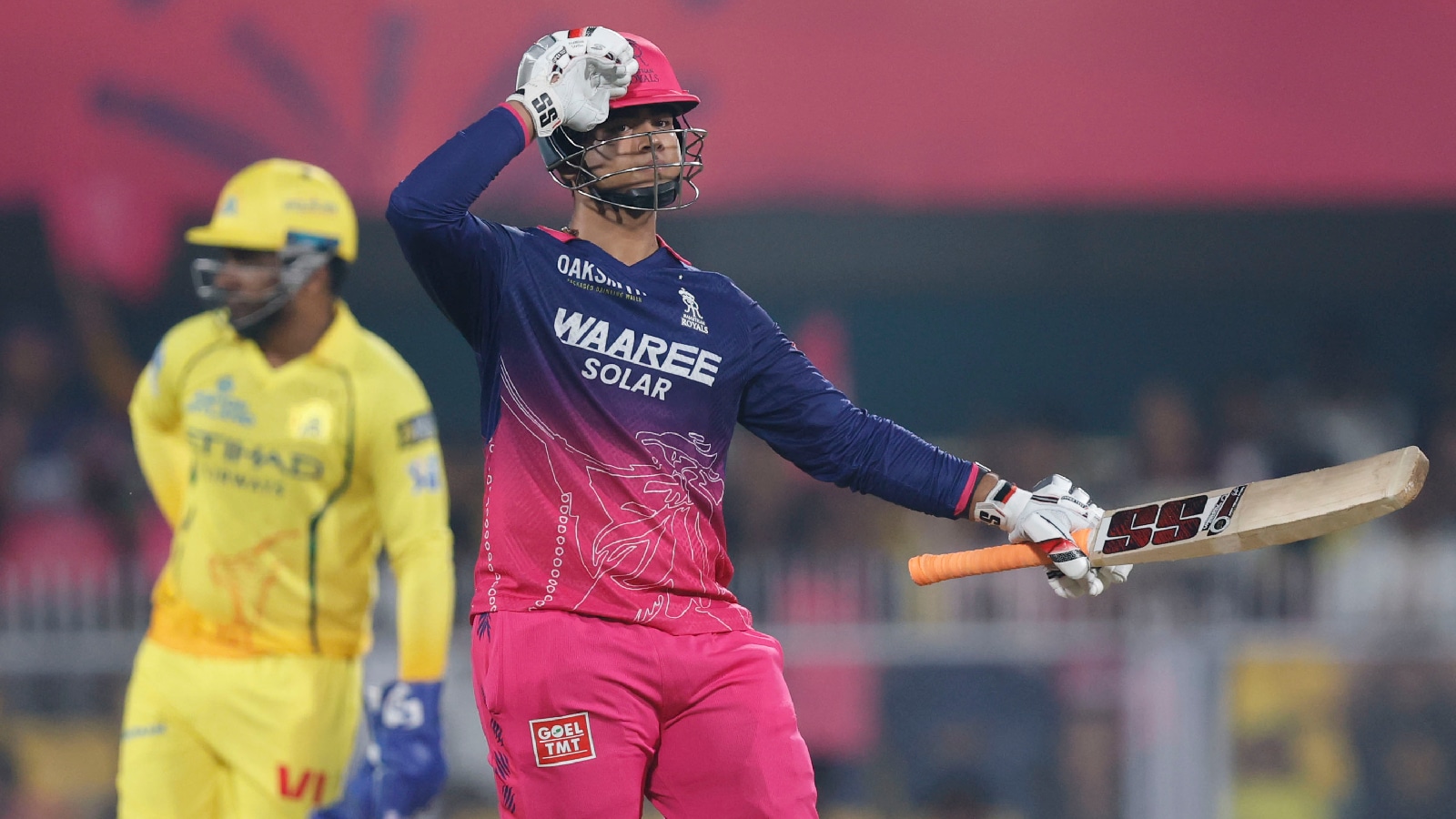
Riyan Parag recently reflected on the precarious nature of cricket captaincy, noting how public perception can swing wildly based solely on match outcomes. The comments came after a match where his decisions were scrutinized, but ultimately yielded a victory. The young leader suggested that had the opposition, Chennai Super Kings (CSK), managed to score 200, the narrative surrounding his captaincy would have been far more critical.
It's a brutal truth about captaincy. Win, and you're a tactical masterclass. Lose, and every decision is second-guessed. Consider the pressure Parag faces. A relatively young player thrust into a leadership role. He's handling the complexities of field placements, bowling changes, and managing player egos, all while under the intense scrutiny of fans and analysts. One bad over, one dropped catch, and the whole game can shift. And with it, the public opinion of his abilities.
The game within the game is always about anticipating the opponent’s moves. A captain needs to be three steps ahead. Setting up the batsman requires careful planning, exploiting weaknesses, and creating pressure. But even the best laid plans can fall apart. Imagine a situation where a bowler misses his length, or a fielder misjudges a catch. Suddenly, the captain's strategy looks flawed, regardless of its initial merit. The roar of the crowd can quickly turn to murmurs of discontent.
Think about it. A captain brings in a bowler expecting a breakthrough, but instead, the batsman is playing on the up, smashing boundaries. Is it a bad decision? Or simply bad execution? This is the tightrope walk of captaincy. There's a very human element involved.
Parag's words expose a deeper issue in how we evaluate leadership in cricket. Often, the analysis focuses too heavily on results and not enough on the process. Did the captain make sound decisions based on the information available at the time? Did he trust his instincts? Was he proactive in reading the situation and adapting his strategy?
The off stump line is where many battles are won and lost. It's about patience, persistence, and forcing the batsman into errors. But what happens when the batsman is simply too good? When he’s seeing the ball like a beach ball? Then it comes down to damage control. Minimizing the scoring opportunities and waiting for the tide to turn.
This isn't to excuse poor captaincy. But it's a reminder that judging a captain solely on the scoreboard is a simplistic and often unfair assessment. It's crucial to examine the context, the challenges, and the thought process behind the decisions. Are we evaluating captains fairly, or are we letting the scoreboard dictate our perceptions?
In the coming weeks, all eyes will be on Parag. Can he continue to make astute decisions under pressure? Will he be able to guide his team to consistent victories? Only time will tell. His captaincy journey continues, and cricket fans will be watching closely, judging, and forming opinions with every ball bowled.