Salman Agha's Massive Admission After Pakistan's T20 World Cup 2026 Exit
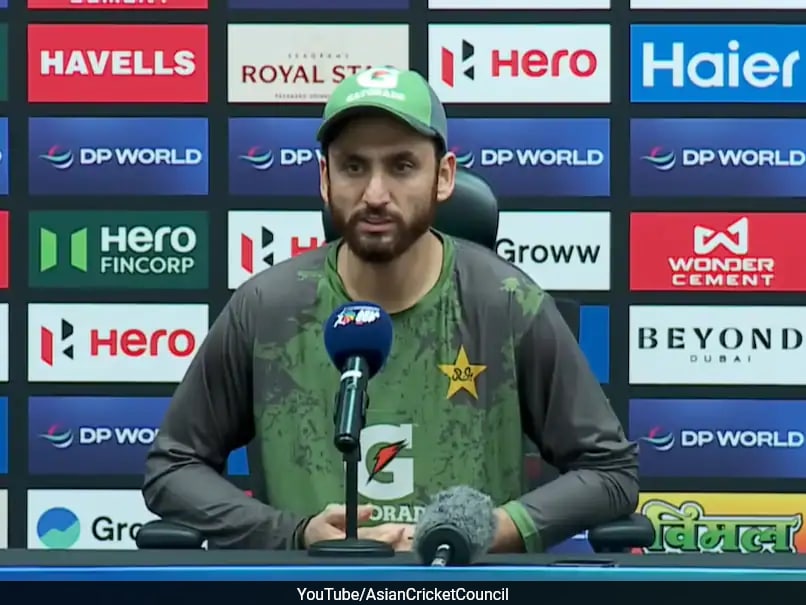
Ouch. That has to sting. Salman Agha just dropped a truth bomb, admitting Pakistan's T20 World Cup 2026 campaign fell desperately short. Winning against Sri Lanka by a mere 5 runs – a victory that feels more like a consolation prize than a triumph – couldn't mask the underlying issues that plagued their tournament.
Pakistan, Sri Lanka and New Zealand all ended up with three points. But here's the cruel reality of T20 cricket: it's not just about wins and losses. Net Run Rate, that often-overlooked metric, became Pakistan's undoing. While they clawed their way to a win against Sri Lanka, New Zealand, with their superior NRR, snatched the semi-final spot right from under their noses. It's brutal, it's unforgiving, and it perfectly encapsulates the high-stakes drama of the T20 World Cup.
Agha's admission, while painful for Pakistani fans, is a necessary step. Let's be honest, Pakistan entered the T20 World Cup 2026 with high expectations. They've got the talent, the flair, and the history. But somewhere along the line, things just didn't click. Was it the batting? The bowling? The fielding? Or a combination of all three? The numbers will be dissected, the post-mortems will be extensive, and fingers will inevitably be pointed.
But here's the thing: simply identifying the problems isn't enough. Pakistan needs a serious overhaul, a strategic reset, if they want to be contenders in future tournaments. They need to look at their player development pathways, their tactical approaches, and their overall team culture. Are they adapting to the evolving demands of T20 cricket? Are they fostering a fearless, innovative mindset? These are the questions that need answering.
What's fascinating is the contrast with New Zealand. The Kiwis, often the underdogs, consistently find ways to punch above their weight. They might not have the biggest names or the flashiest players, but they have a system, a belief, and an unwavering commitment to teamwork. Pakistan could learn a thing or two from their Trans-Tasman rivals. They need to build a team that is greater than the sum of its parts, a team that can perform under pressure, and a team that can adapt to any situation.
The loss to New Zealand and the narrow win against Sri Lanka highlight a deeper issue: Pakistan's inability to consistently dominate. They show glimpses of brilliance, individual moments of magic, but they struggle to string together complete performances. This inconsistency is what separates them from the true powerhouses of T20 cricket. They need to find a way to harness their talent, channel their passion, and transform themselves into a force to be reckoned with. The talent is there, but it needs to be properly nurtured and directed.
Looking ahead, the pressure is on. The Pakistan Cricket Board faces some tough decisions. Will they stick with the current leadership? Will they bring in fresh faces? Will they revamp their domestic structure? The answers to these questions will determine Pakistan's fate in the years to come. One thing is certain: the T20 World Cup 2026 exit should serve as a wake-up call, a catalyst for change, and a reminder that in the unforgiving world of cricket, talent alone is never enough.