Sanju Samson Calls World Cup Absence a “Mismatch” as Cricket’s Selection and Franchise Uncertainty Spreads Globally
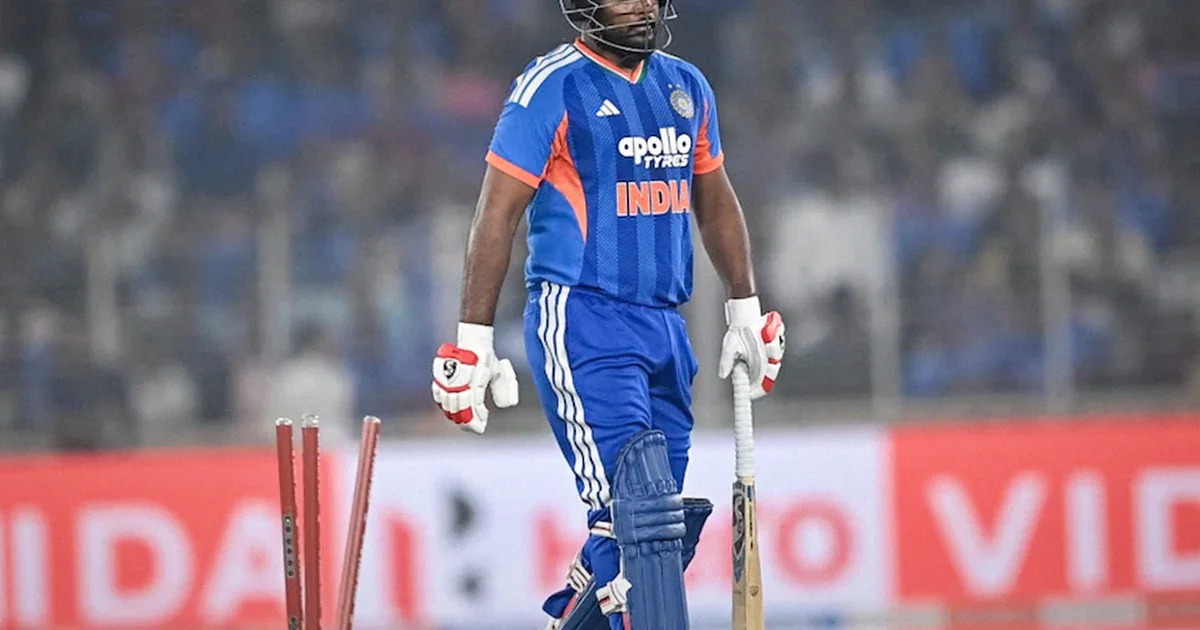
Sanju Samson didn’t dress it up. He said not playing a single World Cup “did not match expectations”. One blunt line, and suddenly the conversation isn’t just about an Indian wicketkeeper-batter who can’t crack the biggest squads — it’s about how modern cricket keeps rewarding certainty and punishing the in-between.
And the in-between is everywhere right now.
Samson’s remarks land in a week where team sheets and leadership groups across formats are shifting: Wayne Madsen has been named to lead a 15-member squad that includes former South Africa international JJ Smuts, Delhi Capitals have handed a debut to uncapped Australian Lucy Hamilton, a rejigged Mumbai Indians batting line-up faltered while chasing 188, and Royal Challengers Bengaluru’s return for IPL 2026 remains far from a done deal. Different competitions, same theme. Opportunity isn’t evenly distributed.
Key facts: who, what, when, where
Sanju Samson, an established India batter-wicketkeeper, has offered an unusually honest verdict on his World Cup record: none played. The comment frames a career reality — plenty of visibility in franchise cricket, but no tournament innings on the sport’s biggest ICC stage. Meanwhile, selection and roster calls continue to reshape the wider cricket map:
- Wayne Madsen will lead a 15-member group that includes JJ Smuts.
- Delhi Capitals have given a debut to Lucy Hamilton, an uncapped Australian.
- Mumbai Indians, with a rejigged batting order, failed in a chase of 188.
- And Royal Challengers Bengaluru’s IPL 2026 status remains unresolved.
Analysis: the numbers don’t lie
Samson’s World Cup line is stark because it’s binary: 0 matches. No strike rate to debate, no average to defend, no “small sample size” escape hatch. Statistically speaking, a player can survive a lean run; it’s harder to survive not being picked when squads tighten and roles get locked.
Selection committees tend to prefer repeatable outputs: a stable batting position, a defined tempo, clean keeping, and low-variance decision-making. That’s where Samson’s frustration sits. Not outrage. Just arithmetic.
And when you look at the data across competitions this week, the same logic shows up:
- Mumbai Indians’ chase of 188 exposed what happens when a line-up is reshuffled without clarity. A target like that demands sustained run-rate management; one soft phase and you’re playing catch-up, swinging across the line, sending it into orbit — or getting cleaned him up.
- Delhi Capitals debuting Lucy Hamilton underlines how quickly franchises will pivot to new profiles. Uncapped doesn’t mean unused; it means unknown at this level. Teams are gambling on upside.
- Madsen leading a 15-player group with JJ Smuts included signals another truth: experience still gets a seat, even as leagues chase youth. Middle and leg, safe hands, known fitness — selectors like what they can predict.
- RCB’s uncertain IPL 2026 return adds instability at the top of the pyramid. Players plan cycles around franchises now. What happens when the franchise calendar itself isn’t guaranteed?
Why this matters to cricket fans
Because the World Cup remains the sport’s sharpest filter. It’s where careers are defined in a handful of games, and where “almost” doesn’t count. Samson’s admission cuts through the noise: fans don’t just want highlights, they want their players on the biggest stage. And they want transparency about why that’s not happening.
But it’s not only an India story. It’s a global cricket story about role definition, squad balance, and the shrinking margin for ambiguity.
What’s next
Samson’s next run of international chances — whenever they come — will be judged on two things: output and fit. Can he offer a clearly measurable upgrade in strike rate without sacrificing dismissal risk? Can he own a role without drifting?
Meanwhile, expect more movement elsewhere: leadership groups like Madsen’s will keep evolving, franchises will keep blooding new names like Hamilton, and teams chasing big totals won’t survive without settled orders. And with IPL 2026 uncertainty hanging over RCB, the wider ecosystem may yet face another selection squeeze.