Shanaka blames 'negativity' as Sri Lanka crash out of World Cup
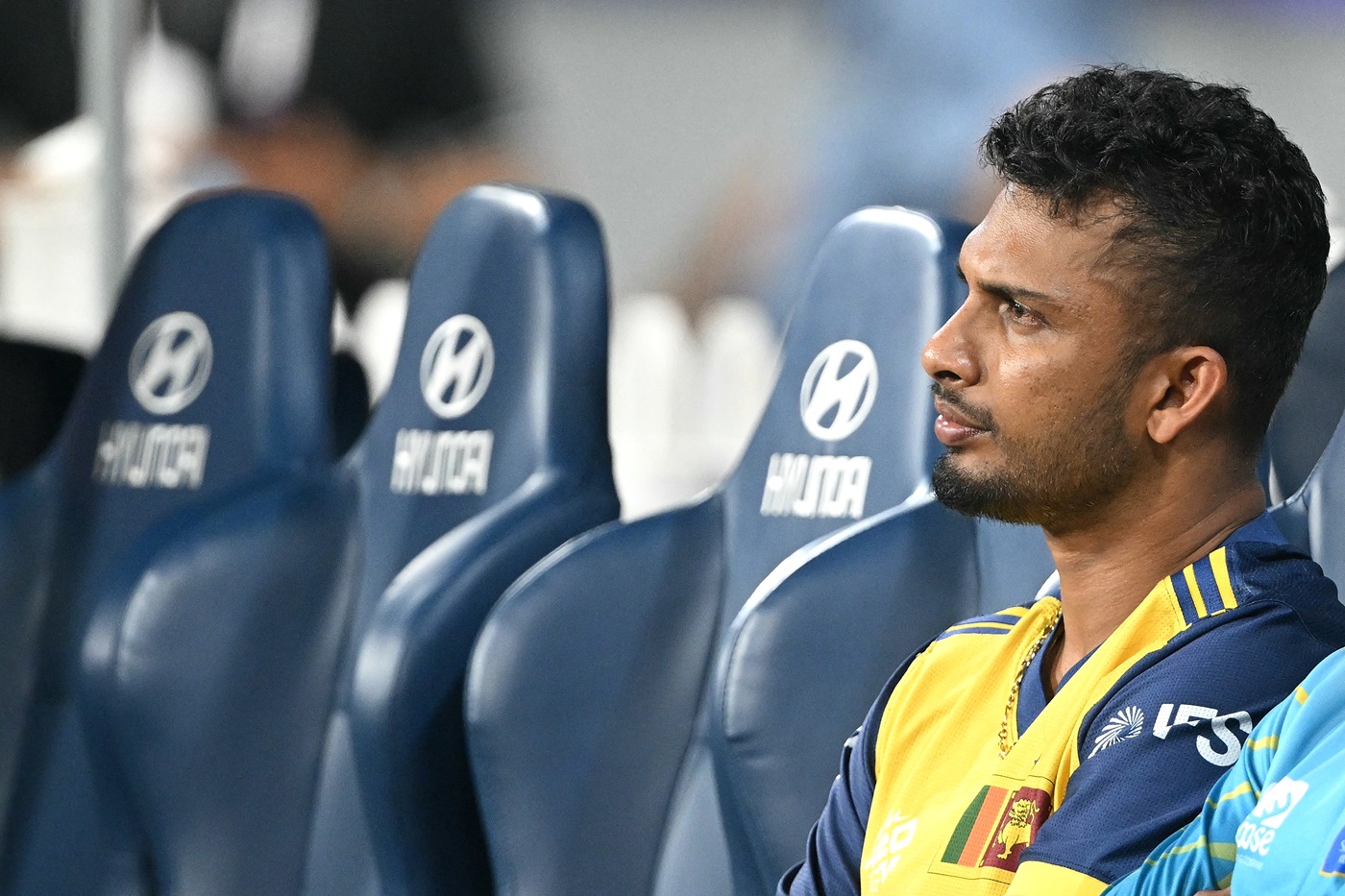
Dasun Shanaka's words cut deeper than any bouncer. To hear a captain, after a World Cup exit, plead for respite from criticism… that's a moment that stays with you. He's suggesting the negativity surrounding the Sri Lanka team is actively harming their mental health, and even calling for government intervention. Let's be honest, that's not something you hear every day in cricket.
Sri Lanka's campaign at the World Cup 2023 has been, to put it mildly, underwhelming. They came in with promise, a team of exciting young players mixed with experienced heads. But the results haven’t matched the potential. Losses have mounted, and the pressure has clearly taken its toll. Shanaka, carrying the weight of a nation's expectations, pointed the finger squarely at the relentless criticism aimed at the team. He believes it's affecting the players' ability to perform, creating a toxic atmosphere that’s seeping into their game.
Here's the thing: professional athletes are used to pressure. But there's a difference between the roar of the crowd and a constant barrage of negativity. When that negativity becomes personal, when it attacks character rather than critiquing performance, it crosses a line. And it sounds like that's what Shanaka is suggesting has happened.
But is it just the negativity? Let's dig a little deeper. Sri Lanka's struggles aren't solely down to mental fragility. Tactically, they've been outmaneuvered. Their batting has been inconsistent, their bowling lacking penetration at crucial moments. Remember the Sri Lanka of old, the team that surprised everyone to win the 1996 World Cup? They played with a fearless abandon, a joy that was infectious. That spirit seems to be missing right now. Perhaps the external pressure is stifling that natural flair, but perhaps there are also deeper issues within the team's structure and strategy.
What's fascinating is the call for government intervention. In many ways, cricket in Sri Lanka is intrinsically linked to the nation's identity, and the government understandably has a vested interest. But should they be stepping in to manage media criticism? It’s a slippery slope. While player welfare is paramount, freedom of the press is equally important. The challenge lies in finding a balance, fostering a supportive environment without stifling legitimate scrutiny. Perhaps the Sri Lanka Cricket board needs to take a long, hard look at how they manage the team's media relations and provide better support systems for the players. This situation almost certainly will have ramifications as they build towards the next major tournaments, including the ICC Champions Trophy and even looking ahead to the distant, but ever-present, prospect of the IPL 2026 auction, where player reputations matter.
Ultimately, Shanaka's comments are a wake-up call. They highlight the immense pressure modern cricketers face, not just on the field, but off it as well. They force us to consider the human cost of our passion for the game. As Sri Lanka look to rebuild after this disappointing World Cup campaign, the focus must be on creating a more resilient and supportive environment for their players. They need to rediscover that spark, that joy of playing cricket, and shield themselves from the noise.
Looking ahead, the immediate future will be about damage control and rebuilding confidence. Can Shanaka, or whoever leads the team next, foster a more positive atmosphere? Can the Sri Lankan batsmen find consistency? Can their bowlers rediscover their bite? These are the questions that need answering, and the answers will determine whether Sri Lanka can rise again on the international stage.