Sharma's Shadow? Kaif's Captaincy Warning to Mumbai Echoes Across India
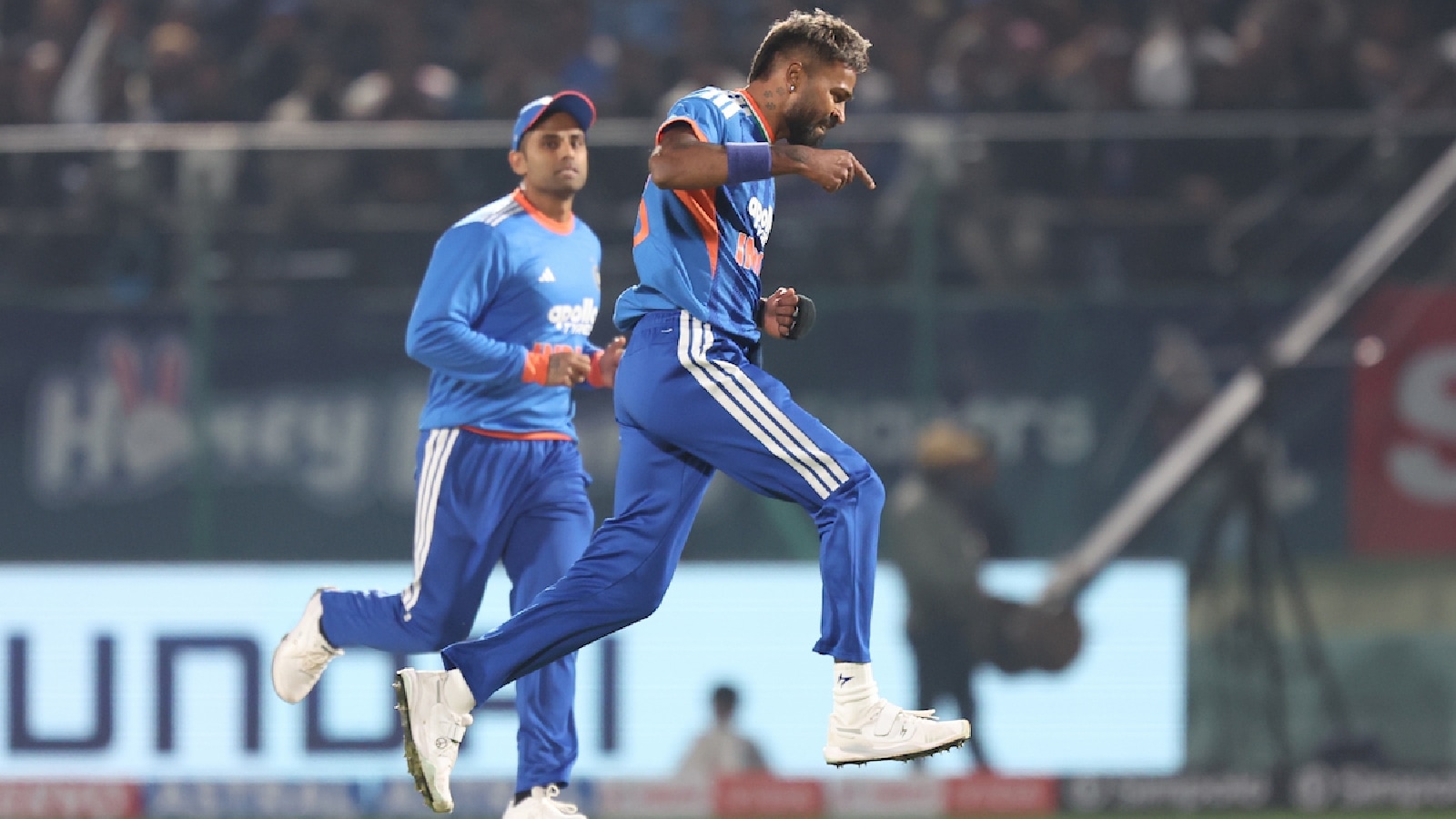
Mohammad Kaif has stirred the pot. His recent comments regarding the Mumbai Indians' captaincy have resonated throughout the Indian cricket fraternity.
The former India star cautioned MI against removing Hardik Pandya from his role as captain. Kaif’s warning, while seemingly targeted at the Mumbai Indians, inevitably namedrops Rohit Sharma, adding fuel to a simmering debate regarding leadership transitions within the team and Indian cricket at large. The core issue? Instability at the top can be crippling.
Kaif's comments arrive amidst intense scrutiny of Hardik Pandya's leadership. The pressure is immense. The Mumbai Indians, a side accustomed to success, haven't performed to expectations, and the captain often bears the brunt. But Kaif argues that a hasty change could be detrimental. It's a high-stakes game.
The game within the game is always about more than just runs and wickets. It’s about strategy, matchups, and, crucially, man-management. A captain needs time to instill his vision, build rapport, and earn the trust of his players. To yank that away prematurely can create a sense of unease and disrupt the team's dynamics. Remember, Rohit Sharma built a dynasty. He fostered a culture of winning. Do you just throw that away?
And it is this legacy of Rohit Sharma that makes Kaif's warning so potent. Sharma, a proven leader with a stellar record, previously captained MI to multiple titles. The shadow he casts is long, and any successor will inevitably be measured against his achievements. Kaif's point seems to be that replacing Pandya now, especially with the ghost of Sharma still looming large, could backfire spectacularly. It puts undue pressure on any new captain and risks further destabilizing the team. It's about reading the situation.
Consider Ravindra Jadeja’s brief stint as captain of Chennai Super Kings. The transition proved challenging, and ultimately, MS Dhoni had to step back in. It highlights the complexities involved in leadership changes, even within successful franchises. The Mumbai Indians must tread carefully.
But this isn’t just about the Mumbai Indians. This also speaks to the broader issue of succession planning in Indian cricket. How do you transition from established leaders like Rohit Sharma and Virat Kohli to the next generation without disrupting the team's performance and morale? It's a question that Rahul Dravid and the selectors constantly grapple with. These decisions shape not just individual teams but the entire cricket ecosystem. Setting up the batsman involves patience; so does setting up a team's future.
plus, India’s upcoming home schedule will likely feature some interesting captaincy decisions as well. The Border-Gavaskar Trophy series against Australia will be a major test. Will Rohit Sharma lead the team? Will there be opportunities for others to showcase their leadership skills? The answers to these questions will provide valuable insights into the future direction of Indian cricket. The BCCI’s announcement of the home schedule has only amplified the focus on leadership.
So, what's next for Mumbai Indians and Indian cricket? The coming months will be critical. Keep an eye on how the team management supports Hardik Pandya, and how the selectors handle the transition from senior players. The future trajectory hinges on these decisions.