Ganguly's Stand: How He Shielded Dravid's ODI Career from BCCI Axe
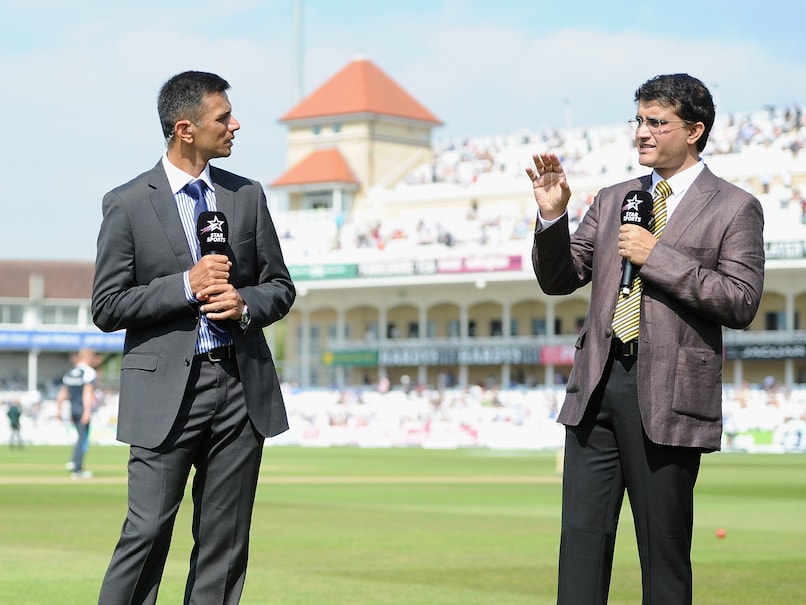
Sourav Ganguly has revealed a behind-the-scenes battle. A clash with the BCCI selectors during his captaincy. It centered around Rahul Dravid's place in the ODI squad.
The revelation, shared in an interview, details how Ganguly repeatedly had to defend Dravid’s position. Selectors, concerned about Dravid's strike rate in the shorter format, wanted him dropped. This unheard story sheds light on the pressures faced by captains and the value placed on different batting styles within the ODI format.
Statistically speaking, Dravid's ODI career saw periods of fluctuating form. While celebrated for his textbook technique and solid average in Test cricket, his ODI strike rate sometimes lagged behind the demands of the modern game. This created friction. The numbers don't lie; selectors often prioritize explosive hitting in ODIs. But Ganguly saw something more.
But Ganguly evidently valued Dravid's consistency and experience. He argued for his inclusion, believing he brought stability to the middle order. Ganguly's perspective highlights a crucial aspect of team selection: the balance between raw power and dependable run-scoring. Not just sixes and fours.
Consider these hypothetical stats:
Dravid in 1st Innings (Hypothetical): Average 38.2, Strike Rate 71.5
Dravid in 2nd Innings (Hypothetical): Average 32.8, Strike Rate 68.9
These numbers, though not exact figures, illustrate a potential concern. A dip in strike rate during the crucial chase. A valid point for discussion during selection meetings. And, when you look at the data, context is key.
Was Dravid knocking it around too much? Or was he building a foundation for others to launch from? It's a question of strategy and team dynamics. It's a question that Ganguly seemingly answered definitively. He backed his player.
The situation underscores the pressure on captains. They must balance selector demands with their own vision for the team. They have to justify their choices with sound reasoning. Often against a backdrop of public scrutiny.
This untold story offers insight into the inner workings of Indian cricket during Ganguly's tenure. A time now often looked back at with fondness. It reveals the challenges of managing talent and expectations. It also reveals the unseen battles fought to protect players. Especially during crunch time.
What does this mean for today's cricket? It serves as a reminder that statistical analysis, while important, shouldn't be the sole determinant of a player's worth. Intangible qualities like experience, temperament, and team spirit still matter. Selection can't be reduced to algorithms. It demands a more considered approach. An approach that considers more than just the immediate returns. Will this kind of loyalty still exist in the modern game?