Sri Lanka captain Dasun Shanaka calls for government action to stop 'negativity' around team after T20 World Cup exit
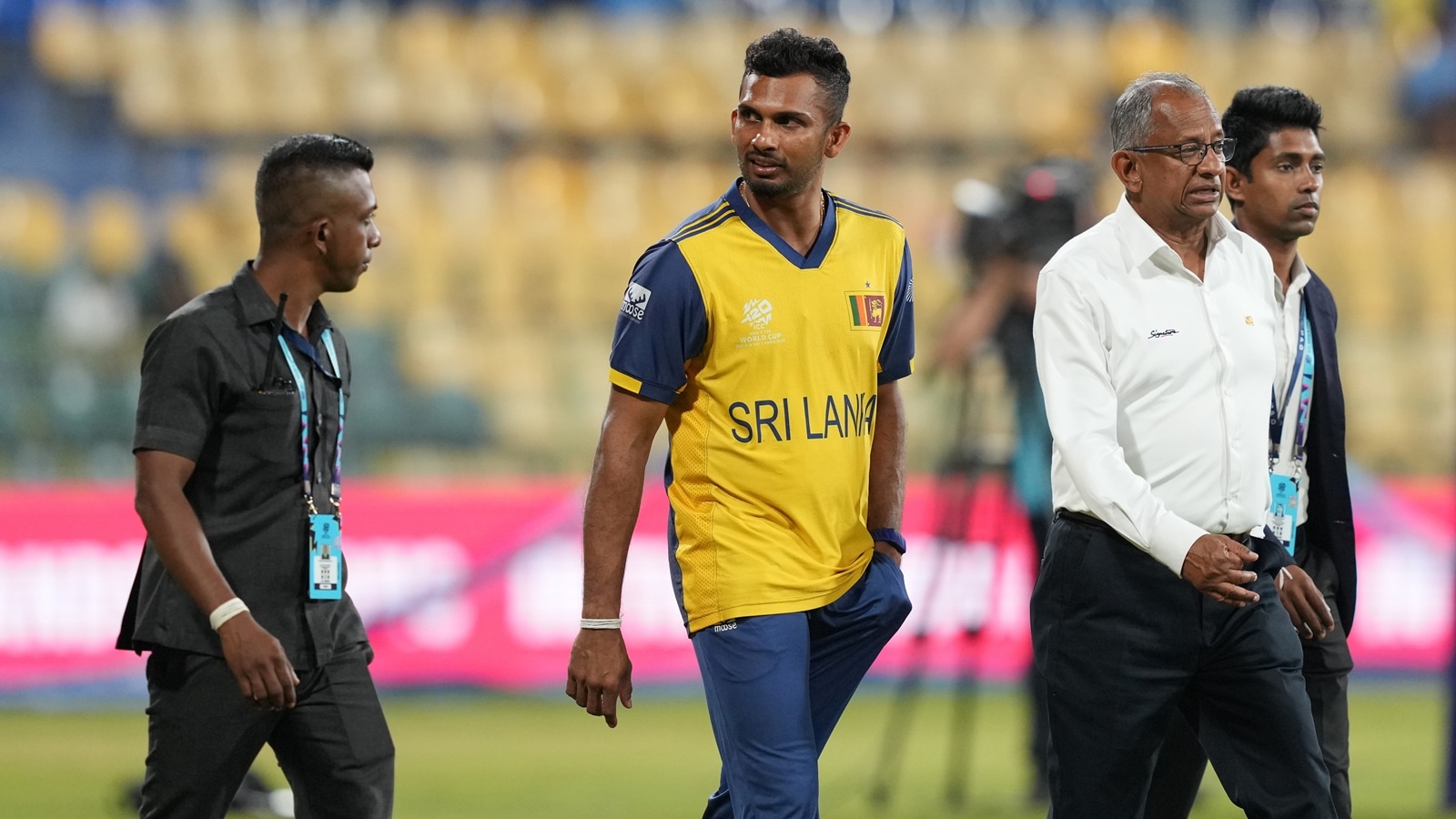
Dasun Shanaka's plea is a wake-up call. It's not just about Sri Lanka's T20 World Cup exit; it's a cry for sanity in a world where social media can turn on you faster than a Lasith Malinga yorker. He's urging the Sri Lankan government to step in and curb the "negativity" surrounding the team. Can you blame him?
Sri Lanka's campaign in the T20 World Cup 2024 was, let's be honest, underwhelming. They didn't make it to the Super 8s, and the knives were out before they even boarded the flight home. Shanaka, carrying the weight of a nation's expectations, has seen it all before. But this time, it seems to have crossed a line. He's not just talking about criticism; he's talking about something more sinister, something that he believes requires intervention from the highest levels. It's a bold move, no doubt, and one that highlights the immense pressure modern cricketers face.
But is government intervention the answer? That's the million-dollar question. While the intention is understandable – to protect players from undue harassment and create a more supportive environment – it also opens a can of worms. Where do you draw the line between fair criticism and unacceptable abuse? Who decides what's harmful and what's not? It's a slippery slope.
What's fascinating is the historical context here. Sri Lankan cricket has always been a rollercoaster, hasn't it? From the highs of winning the 1996 World Cup to the lows of recent performances, the passion of the fans has never wavered. But sometimes that passion can spill over into toxicity. Think back to the scrutiny Sanath Jayasuriya faced, or the criticism leveled at Mahela Jayawardene and Kumar Sangakkara despite their legendary status. It's a recurring theme, this intense pressure cooker environment.
The numbers from this T20 World Cup 2024 campaign don't lie. Sri Lanka struggled to find consistency with both bat and ball. Their top order failed to fire, and their bowling attack lacked the penetration needed to consistently take wickets. But pinning the blame solely on the players is too simplistic. There are systemic issues at play, from the development of young talent to the overall structure of Sri Lankan cricket.
Shanaka's plea also highlights the psychological toll that social media takes on athletes. Every mistake, every dropped catch, every poor shot is dissected and amplified online. It's relentless, and it can be incredibly damaging, especially for younger players still finding their feet. You wonder how many potential stars have been lost to the game because they simply couldn't handle the pressure.
Looking ahead, the Sri Lankan cricket board has a huge task on its hands. They need to create a support system that shields players from the worst excesses of social media while also fostering a culture of accountability. They need to invest in mental health resources and provide players with the tools to cope with the pressures of the modern game. And perhaps, most importantly, they need to find a way to reconnect with the fans and rebuild trust. The future of Sri Lankan cricket depends on it. As for Shanaka's call for government action? That's a debate that will likely rage on, long after the final ball of this T20 World Cup 2024 has been bowled. We will see if it has any impact on the team's performance leading up to the IPL 2026.