T20 World Cup 2026: India and Pakistan face rare risk of missing the semifinals
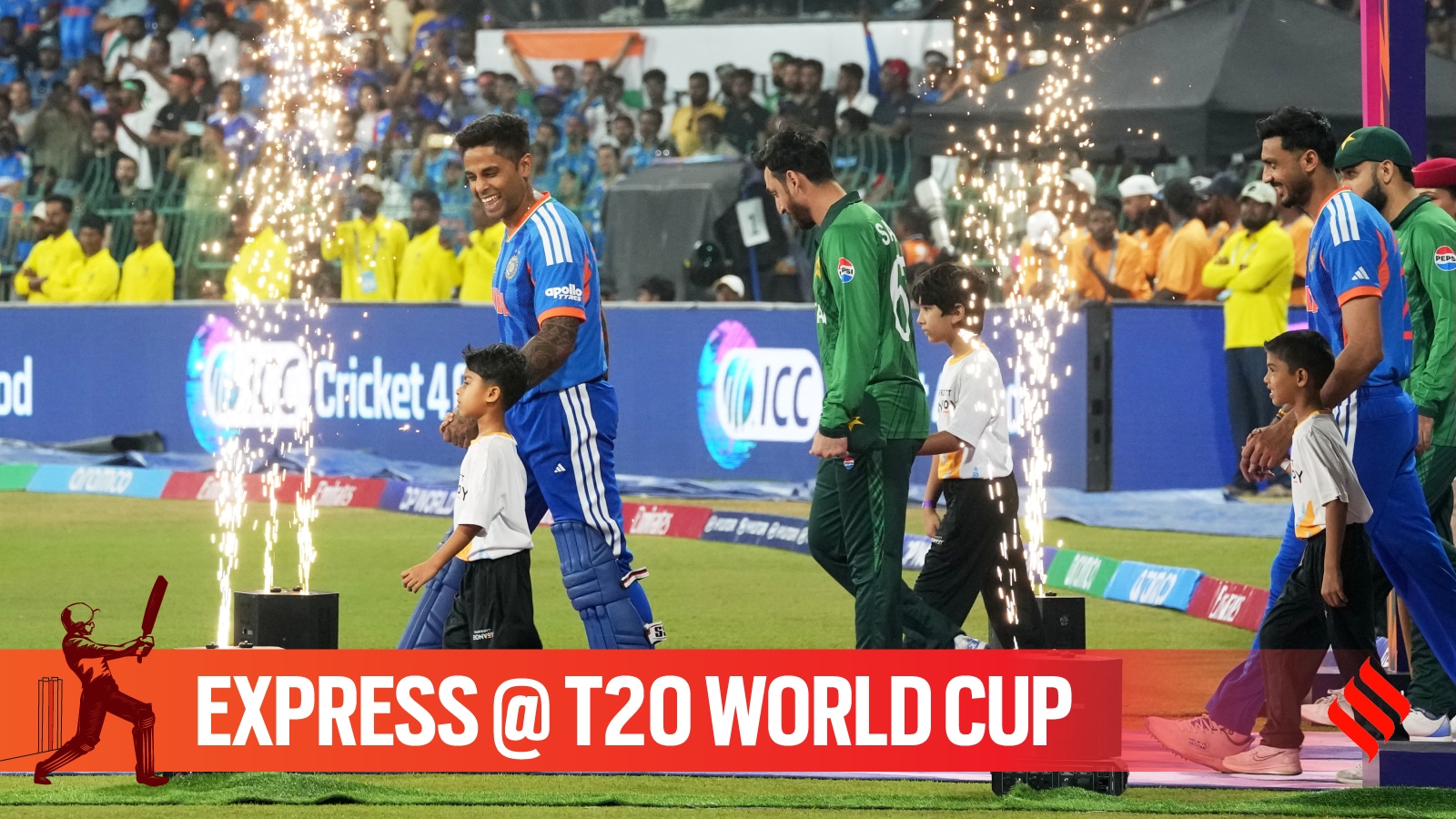
Hold on a minute, did you hear that? India and Pakistan... missing the T20 World Cup semifinals? It sounds like madness, doesn't it? Like saying the sky might turn green. But the whispers are getting louder, and honestly, they're worth paying attention to.
The 2026 T20 World Cup, jointly hosted by India and Sri Lanka, promises to be a spectacle. A bigger tournament, more teams, and a format that, while aiming for inclusivity, throws up some genuine banana skins. We're talking about a scenario where both India and Pakistan, two of the most followed and fiercely competitive teams on the planet, could find themselves on the outside looking in when the real fireworks begin. The very thought sends shivers down the spine of cricket administrators, broadcasters, and, of course, millions of fans.
So, how could this happen? The expanded format means more opportunities for upsets. More games, more travel, and potentially tricky group dynamics. Remember, even giants stumble. Think back to past World Cups where fancied teams choked under pressure against perceived underdogs. The pressure on India, playing on home soil, will be immense. Pakistan, with their unpredictable brilliance, can implode as easily as they can explode. This isn't about lacking talent; it's about navigating the complexities of a long tournament, handling expectations, and, crucially, peaking at the right time.
Here's the thing: both teams are in a transitional phase, whether they admit it or not. India is searching for its next generation of match-winners in T20 cricket. The reliance on Rohit Sharma and Virat Kohli can't last forever, can it? They need youngsters to step up, and quickly. Pakistan, meanwhile, is perennially grappling with consistency. Babar Azam is a world-class batsman, no doubt, but the team needs more than just individual brilliance. They need a cohesive unit, a clear strategy, and a captain who can inspire them in the heat of battle.
What's fascinating is the potential impact on the tournament itself. An India-Pakistan semifinal clash is box office gold. It's the kind of match that transcends cricket and becomes a global event. Without either team in the final four, the viewership numbers would undoubtedly take a hit. Sponsors would be nervous. The atmosphere... well, it just wouldn't be the same.
Let's be honest, the pitches in Sri Lanka and India can be tricky. Spin will play a huge role, and teams that can adapt quickly will have a significant advantage. Both India and Pakistan have traditionally been strong players of spin, but other teams are catching up. Australia, England, and New Zealand have all invested heavily in developing their spin bowling and batting techniques against slow bowling. The margin for error is shrinking.
The numbers tell a story, too. Look at the recent T20I performances of both teams. There have been flashes of brilliance, yes, but also worrying inconsistencies. The middle order collapses, the inability to close out games, the occasional brain fade in the field… These are all red flags that need to be addressed before the 2026 T20 World Cup. For Pakistan, finding reliable finishers is crucial. For India, it's about identifying and nurturing the next generation of match-winners who can handle pressure on the global stage.
Looking ahead, the next two years will be critical. Both the BCCI and the PCB need to make tough decisions about team selection, coaching staff, and playing strategies. They need to blood youngsters, experiment with different combinations, and create a winning culture. The pressure is on, and the stakes are higher than ever. Will India and Pakistan defy the odds and make it to the semifinals? Or will we witness a T20 World Cup without two of its biggest drawcards? Only time will tell, but one thing is for sure: it's going to be a thrilling ride.