T20 World Cup: 'It’s batters who always take game deep. Not bowlers..': Rashid Latif rips apart Pakistan captain Salman Ali Agha on bowling tactics against ENG
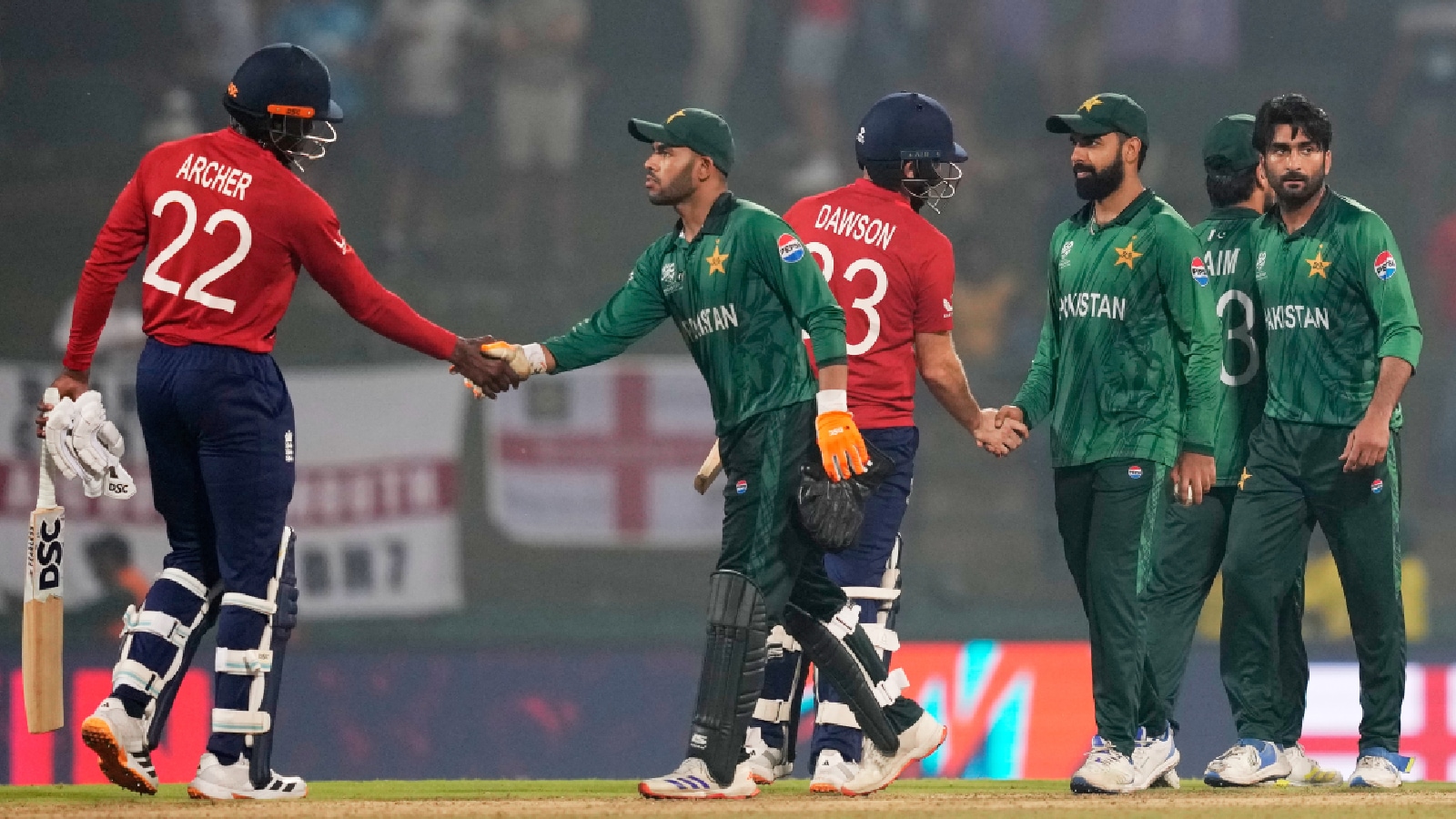
Rashid Latif has never been one to mince words, has he? And his recent comments about Salman Ali Agha's captaincy during Pakistan's T20 World Cup clash against England are as sharp as a Wasim Akram inswinger. Latif, a former Pakistan captain himself, didn’t just offer criticism; he dissected Agha’s approach, particularly his bowling tactics, with the precision of a hawk-eye review.
The match, already a pressure cooker given Pakistan's precarious position in the tournament, saw England gain the upper hand, and Latif believes Agha's decisions amplified the problem. His core argument? Bowlers can't be solely responsible for taking the game deep in T20 cricket; that responsibility ultimately falls on the batters to set a platform. Essentially, Latif is saying, you can't expect miracles from your bowlers if your batsmen haven't given them something to defend.
Latif’s comments came after Pakistan's bowlers struggled to contain the English batsmen, especially in the crucial middle overs. While he acknowledged the bowlers' efforts, he emphasized that the team's batting performance had left them with too much to do. This wasn't just about one bad day at the office; it was a symptom of a deeper issue, according to Latif: a lack of strategic understanding of T20 dynamics at the captaincy level.
Here's the thing: Rashid Latif's critique raises a really important question about modern T20 captaincy. Are we asking too much of our captains to conjure up magic with the ball when the foundation laid by the batsmen is shaky? It’s easy to point fingers at bowling changes and field placements, but what about the pressure cooker situation the batsmen created in the first place?
What's fascinating is the historical context. We've seen so many instances where captains have been lauded for brilliant bowling changes, but those moments often overshadow the crucial role a strong batting performance plays in setting the stage. Think back to India's 2007 T20 World Cup win – yes, Joginder Sharma bowled that final over, but the batsmen had put up a defendable total. It's a team effort, always.
Let's be honest, captaining in T20 is a thankless job. You're constantly second-guessed, every decision is scrutinized under a microscope, and the margins for error are razor-thin. But Latif's point isn't about absolving the bowlers; it's about highlighting the importance of a holistic approach to the game. A captain needs to understand when to attack, when to defend, and, crucially, how to manage the pressure on his bowlers. And that management starts with the batsmen doing their job.
The numbers tell a story, too. In high-pressure T20 World Cup games, teams that consistently score above par in the first six overs invariably put less pressure on their bowling attack later in the innings. It’s a simple equation, really. More runs early on equals more breathing room for the bowlers.
Looking ahead, this situation presents a significant challenge for Pakistan. They need to address the imbalance in their team composition and develop a more cohesive strategy. The upcoming matches in the T20 World Cup will be a real test of their resilience and tactical adaptability. Can Salman Ali Agha learn from this criticism and lead Pakistan to a turnaround? Or will Latif's words serve as a stark reminder of what could have been? Only time will tell, but one thing's for sure: the pressure is on. And it’s not just on the bowlers anymore.