'Wide' Controversy Hits T20 World Cup As Fans Slam Umpire For Decision That Led To Pakistan Win vs Sri Lanka
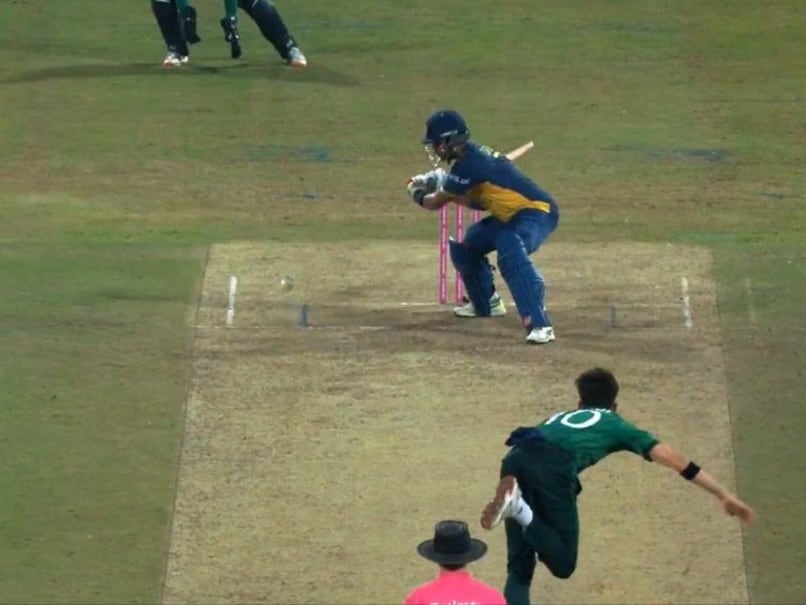
Did we just witness the most talked-about wide call – or non-call – in T20 World Cup history? The internet certainly thinks so, and Pakistan's nail-biting victory against Sri Lanka is now swimming in controversy. It all boiled down to the final delivery, and social media has exploded with fans convinced that the umpire got it horribly wrong.
Let's rewind. Pakistan, chasing a tricky total against a spirited Sri Lankan side, found themselves needing every single run. The tension was palpable; you could cut it with a knife. With just a handful of balls remaining, the pressure cooker was at full blast. Then came the moment: the final ball. The bowler charged in, the ball was delivered, and...the umpire signaled not a wide. Pakistan scrambled through for the winning run, sparking celebrations in their camp and utter disbelief amongst Sri Lankan supporters – and, judging by the online reaction, a good chunk of neutral observers too.
Now, here's the thing. In real-time, these decisions are incredibly tough. Umpires have a split-second to judge the trajectory, the batsman's stance, and a whole host of other factors. But replays, oh those replays! They seem to paint a different picture. Many angles suggest the ball was drifting outside the guideline. The uproar is understandable. We're talking about a T20 World Cup match, where every single decision carries enormous weight. This wasn't just any game; this was potentially defining for both Pakistan and Sri Lanka's chances in the tournament.
But let's dig a little deeper. This isn't just about one bad call, is it? This incident throws a spotlight on the immense pressure umpires face, especially in high-stakes T20 encounters. Should we be looking at more technology to aid these decisions? The Decision Review System (DRS) is already in place, but it's not always available for every type of call, especially in the crucial final overs. Perhaps widening its scope is something the ICC needs to seriously consider.
What’s fascinating is how these moments can shape a team's destiny. If that wide had been called, Sri Lanka would have had another chance to defend, and who knows what might have happened? Momentum can shift in an instant. For Pakistan, this victory, however controversial, is a massive shot in the arm. It injects belief into the team and puts them in a strong position in their group. But the shadow of this umpiring decision will linger.
And what about Sri Lanka? They fought valiantly, but this defeat will sting. They'll need to regroup quickly and ensure that this doesn't derail their T20 World Cup campaign. The psychological impact of feeling wronged can be significant, and their coach will have a job on his hands to keep spirits high. Let's be honest, these things happen in cricket. We’ve seen it before and we'll see it again. But that doesn't make it any easier to swallow when you're on the receiving end, especially on such a grand stage.
Looking ahead, all eyes will be on the ICC's response, if any. Will they acknowledge the controversy? Will this incident spark a wider debate about umpiring standards in T20 cricket? And, most importantly, can Pakistan use this victory as a springboard to go deep into the tournament? One thing's for sure: this T20 World Cup has already delivered drama, and we're only just getting started.