Yuvraj's Retirement Revelation: Kohli & Shastri's Silence Exposed
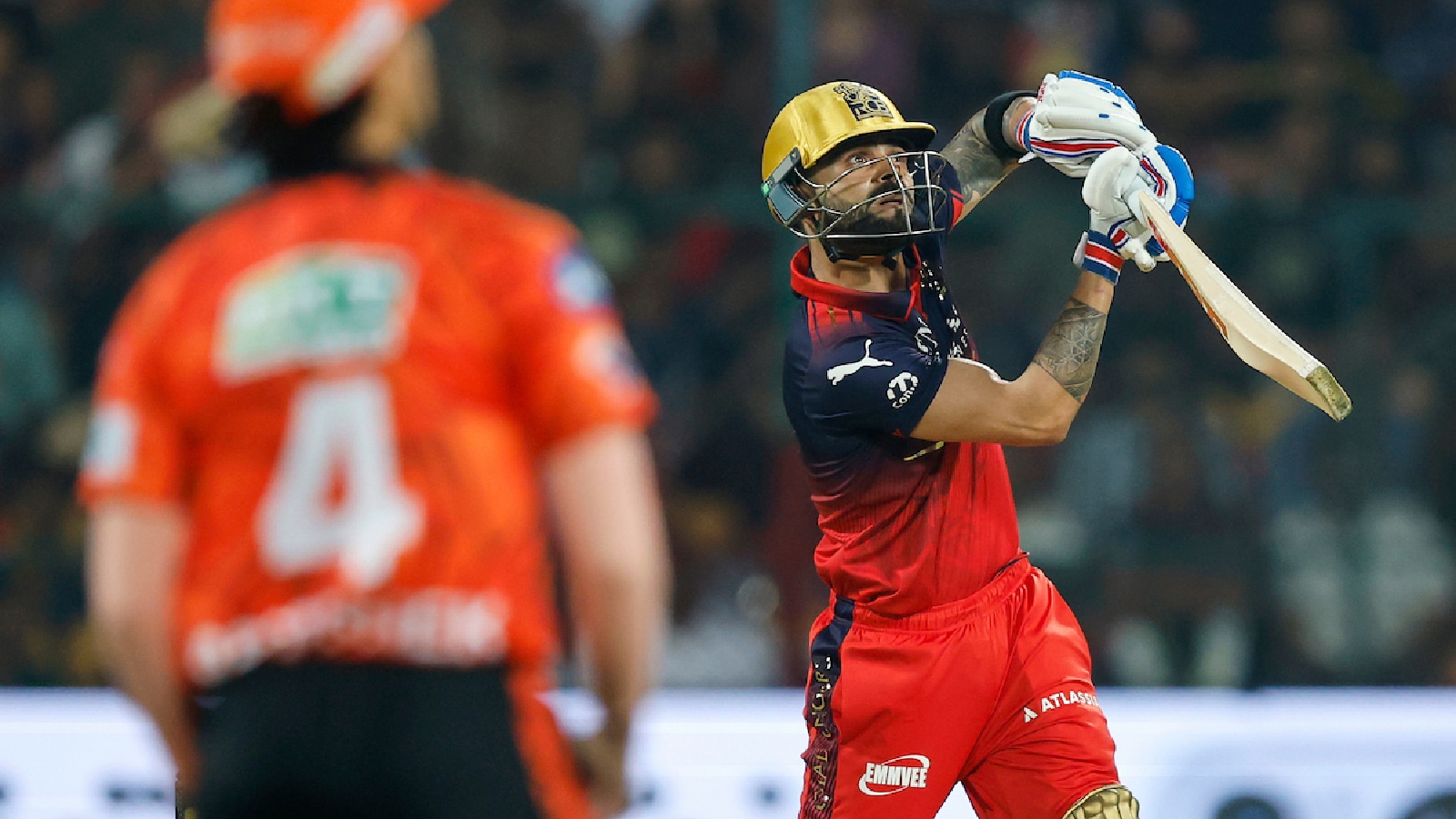
Yuvraj Singh's career was glittering. But its ending? Murky, it seems.
The former Indian all-rounder has recently opened up about the circumstances surrounding his retirement, revealing a lack of clarity from then-captain Virat Kohli and head coach Ravi Shastri. This revelation casts a shadow over the handling of senior players during that era of Indian cricket and raises questions about communication within the team management.
Singh stated that he was informed about his impending fitness test failure, which essentially pushed him towards retirement. The feeling of not having clear communication from the captain and coach clearly left him feeling let down. This raises a critical question: what role did on-field leadership have in managing the transition of senior players?
It's about more than just fitness. It is about respect and transparency. Was there a strategic vision for phasing out senior players, and if so, why wasn't it clearly communicated to Yuvraj? This lack of transparency is a significant point, especially considering Yuvraj's contribution to Indian cricket. He wasn't just any player; he was a match-winner, a World Cup hero.
The situation highlights the delicate balance between performance, fitness, and experience in cricket. Kohli and Shastri were building a team focused on aggressive cricket and high fitness standards. Fine. But how does one reconcile that with the legacy and experience of players like Yuvraj? And what message does such handling send to younger players aspiring to long careers?
Think about the implications. The game within the game is about more than just runs and wickets; it's about man-management. Were Kohli and Shastri perhaps too focused on the future, inadvertently neglecting the emotional needs and contributions of a player who had given so much to Indian cricket? It's a question worth asking.
The revelation comes amidst discussions about team dynamics and the influence of leadership on player morale. Captains are often seen employing textbook technique to get the best out of players. A strong leader needs to excel in reading the situation, understand the nuances of player management, and know when to offer support and clarity.
This situation prompts a broader reflection on how cricket boards and team management handle player transitions. Do we have adequate mechanisms to ensure senior players are treated with the respect they deserve, even when their on-field performance might be waning? Is there a need for clearer communication protocols between players, coaches, and captains? Setting up the batsman is as important as setting up a player’s exit.
And while Yuvraj's physical fitness might have been a factor, the lack of open communication seems to have amplified his disappointment. Did the captain and coach truly appreciate the weight of their words and actions on a player of his stature? It's clear that the end of Yuvraj's career could have been managed with more sensitivity and transparency.
The focus now shifts to the future. How will this revelation impact the relationship between Yuvraj Singh, Virat Kohli, and Ravi Shastri? More importantly, will this serve as a learning experience for future captains and coaches on how to manage player transitions with greater empathy and clarity?